THE ADVENTURE COLLECTIVE® · Independent discovery and booking for outdoor travel

An 8-day trek through Sherpa country to Everest Base Camp and Kalapathar, finishing with a helicopter return to Kathmandu. Expect lodge-to-lodge trekking, significant altitude gain, and dramatic Himalayan panoramas.
An 8-day trek through Sherpa country to Everest Base Camp and Kalapathar, finishing with a helicopter return to Kathmandu. Expect lodge-to-lodge trekking, significant altitude gain, and dramatic Himalayan panoramas.
Dawn breaks over a patchwork of stone teahouses and fluttering prayer flags as trekkers shoulder their packs and step into the high air. The first morning’s short flight to Lukla drops the trail into a narrow valley where rivers dare you to keep pace; from there the route climbs through Sherpa settlements, across suspension bridges and up switchbacks that reveal Ama Dablam and, eventually, Everest herself.
Verified experiences and guided adventures in the surrounding area.
Operated by Well Nepal Travel & Treks Pvt Ltd · Lukla, Province No. 1
Dawn breaks over a patchwork of stone teahouses and fluttering prayer flags as trekkers shoulder their packs and step into the high air. The first morning’s short flight to Lukla drops the trail into a narrow valley where rivers dare you to keep pace; from there the route climbs through Sherpa settlements, across suspension bridges and up switchbacks that reveal Ama Dablam and, eventually, Everest herself.
This itinerary traces the classic Khumbu corridor: centuries-old Sherpa villages, mani walls and monasteries that reflect Tibetan Buddhist culture, and the raw geology of the High Himalaya — moraine-carved valleys, glacial tills and jagged granite spires. Namche Bazaar serves as the acclimatization hub, while Tengboche’s monastery connects trekkers to living cultural rituals.
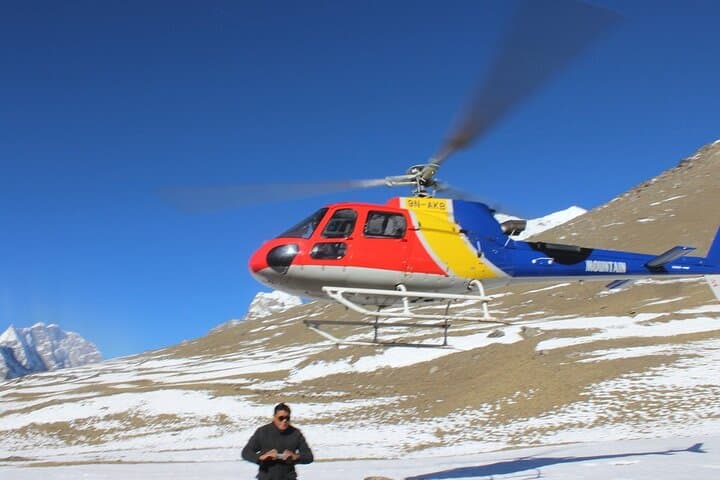
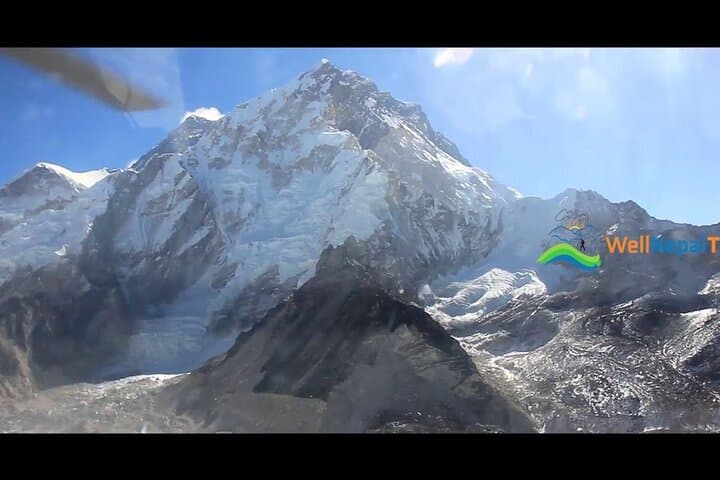
Practically, expect 7–8 days on trail with lodge accommodations, daily walking of 4–6 hours on mixed dirt, rock and moraine, and substantial altitude gain concentrated above 3,000 m. The program uses the proven “climb high, sleep low” strategy and finishes with a dawn hike to Kalapathar for a panorama of Everest, followed by a helicopter return to Kathmandu — a weather-dependent but time-saving option.
Prepare for cold, strong sun and thin air: layered insulation, robust footwear and steady pacing matter more than speed. Hydrate, eat frequently and use acclimatization days to monitor symptoms. The route suits experienced trekkers comfortable with long days and altitude; porters and lodges reduce load and logistical friction, leaving focus on the mountains and the local villages that host the journey.
challenging.
8 days.
Good aerobic fitness with prior multi-day trekking experience; ability to walk 4–6 hours daily at altitude.
You should have regular cardiovascular exercise and prior day-hiking experience; the challenge is mainly altitude rather than technical terrain.
No — helicopter flights are weather-dependent and subject to safety and visibility; alternatives include a domestic flight from Lukla or staying additional nights.
Lodge/teahouse accommodations with basic private or shared rooms and hot meals are standard; facilities are simple at higher elevations.
Yes — Sagarmatha National Park entry and TIMS card are required; the operator typically arranges these as part of the package.
The Khumbu region has been inhabited by Sherpa communities for centuries and became globally prominent after 20th-century Himalayan expeditions; monasteries like Tengboche preserve regional religious traditions.
Sagarmatha National Park protects fragile alpine ecosystems; visitors should follow leave-no-trace principles and minimize single-use plastics to reduce impact.
Well Nepal Travel & Treks Pvt Ltd operates guided outdoor trips and adventures with an emphasis on safety, stewardship, and memorable experiences.
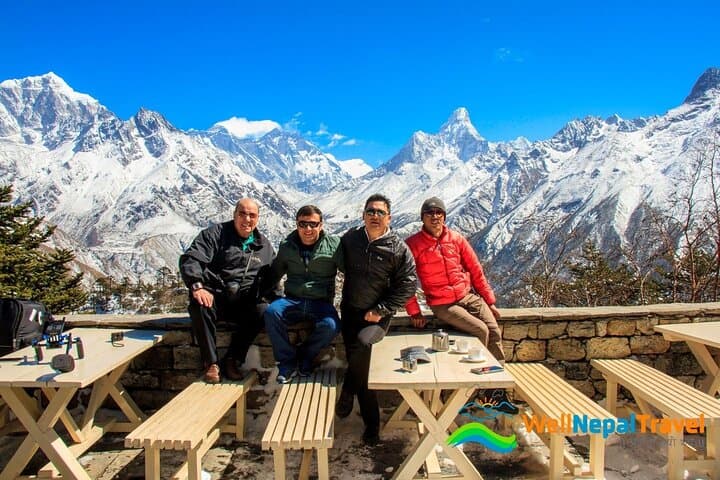
Dawn breaks over a patchwork of stone teahouses and fluttering prayer flags as trekkers shoulder their packs and step into the high air. The first morning’s short flight to Lukla drops the trail into a narrow valley where rivers dare you to keep pace; from there the route climbs through Sherpa settlements, across suspension bridges and up switchbacks that reveal Ama Dablam and, eventually, Everest herself.
Dawn breaks over a patchwork of stone teahouses and fluttering prayer flags as trekkers shoulder their packs and step into the high air. The first morning’s short flight to Lukla drops the trail into a narrow valley where rivers dare you to keep pace; from there the route climbs through Sherpa settlements, across suspension bridges and up switchbacks that reveal Ama Dablam and, eventually, Everest herself.
This itinerary traces the classic Khumbu corridor: centuries-old Sherpa villages, mani walls and monasteries that reflect Tibetan Buddhist culture, and the raw geology of the High Himalaya — moraine-carved valleys, glacial tills and jagged granite spires. Namche Bazaar serves as the acclimatization hub, while Tengboche’s monastery connects trekkers to living cultural rituals.
Practically, expect 7–8 days on trail with lodge accommodations, daily walking of 4–6 hours on mixed dirt, rock and moraine, and substantial altitude gain concentrated above 3,000 m. The program uses the proven “climb high, sleep low” strategy and finishes with a dawn hike to Kalapathar for a panorama of Everest, followed by a helicopter return to Kathmandu — a weather-dependent but time-saving option.
Prepare for cold, strong sun and thin air: layered insulation, robust footwear and steady pacing matter more than speed. Hydrate, eat frequently and use acclimatization days to monitor symptoms. The route suits experienced trekkers comfortable with long days and altitude; porters and lodges reduce load and logistical friction, leaving focus on the mountains and the local villages that host the journey.