THE ADVENTURE COLLECTIVE® · Independent discovery and booking for outdoor travel

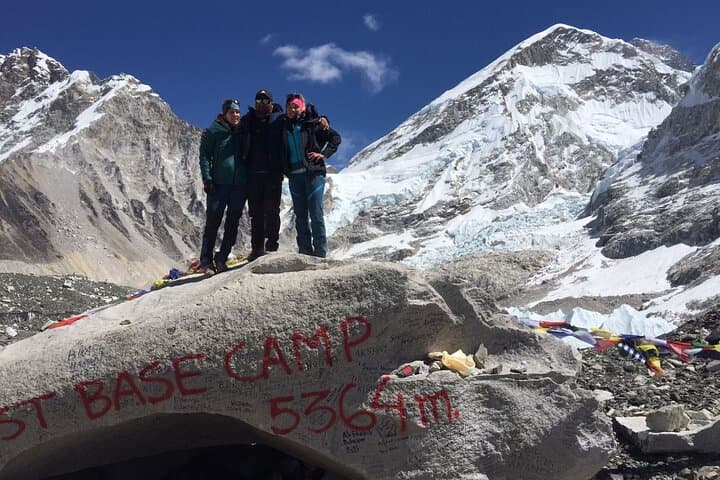
A compact 10-day itinerary that reaches Everest Base Camp and returns to Kathmandu by helicopter. Expect rocky high-altitude trails, Sherpa culture, and panoramic views from Kala Patthar.
A compact 10-day itinerary that reaches Everest Base Camp and returns to Kathmandu by helicopter. Expect rocky high-altitude trails, Sherpa culture, and panoramic views from Kala Patthar.
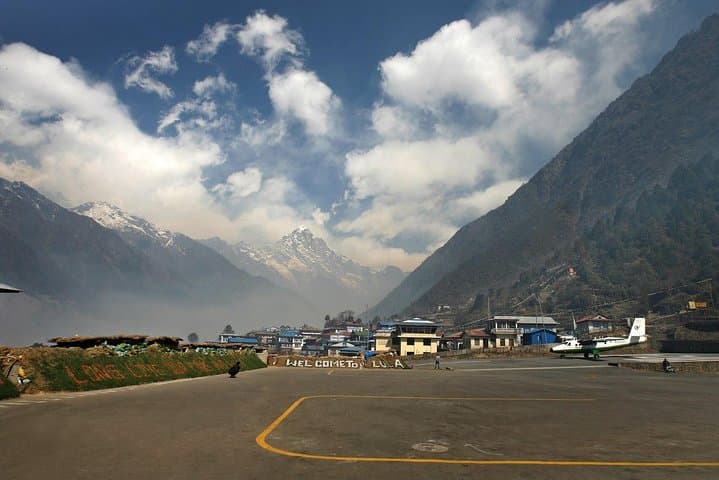
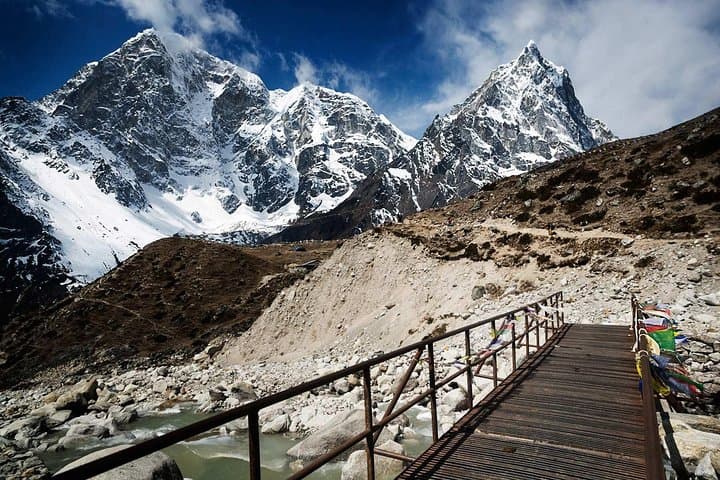
You arrive before dawn in Lukla, the runway slicing into a Himalayan slope, and the trail immediately drops you into pine-scented gullies where prayer flags twitch at every ridge. The river pushes you forward and the valley opens to reveal serrated white teeth—the Khumbu peaks—keeping pace as you climb through Sherpa villages, mani walls and monasteries.
Verified experiences and guided adventures in the surrounding area.
Operated by Breakfree Adventures Pvt. Ltd. · Kathmandu, Bagmati Province
You arrive before dawn in Lukla, the runway slicing into a Himalayan slope, and the trail immediately drops you into pine-scented gullies where prayer flags twitch at every ridge. The river pushes you forward and the valley opens to reveal serrated white teeth—the Khumbu peaks—keeping pace as you climb through Sherpa villages, mani walls and monasteries.
This route follows the historic trade and pilgrimage corridor through Sagarmatha (Everest) National Park, a UNESCO-listed landscape carved by glaciers and uplifted by the collision of India and Eurasia. Sherpa culture is visible in stone chortens, the Sir Edmund Hillary Hospital and quiet gompas where butter lamps glow at dusk. Geologically, the trek tracks moraines and glacial outwash; you will see ice-polished rock and the Khumbu Glacier feeding the Dudh Koshi.
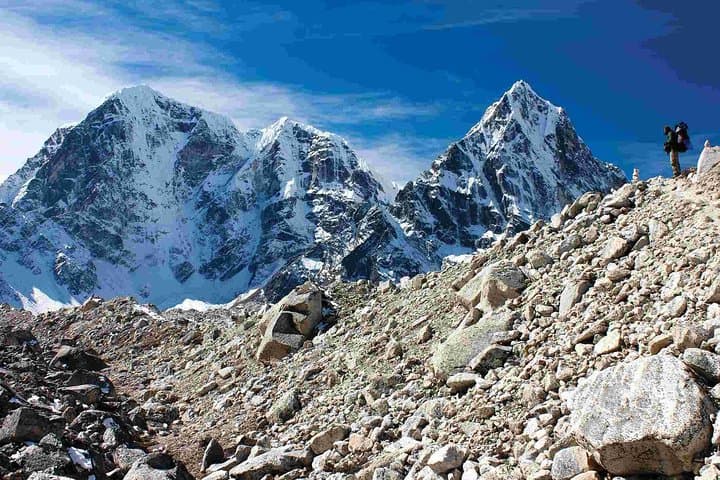
Practical planning is straightforward but strict: the itinerary covers roughly 10 days with staged acclimatization (Namche, Dingboche) and summit views from Kala Patthar (~5,550 m). Expect high-altitude walking on rocky, sometimes icy trails, average daily hikes of 4–7 hours, and communal lodge accommodations. Acute mountain sickness is the primary risk—pace up, hydrate, and use rest days.
Operational notes: flights to/from Lukla are weather-dependent; the helicopter return from Kalapathar or Gorak Shep shortens descent but has strict weight limits and can be cancelled in poor visibility. Pack layered clothing, sturdy boots, sun protection, and spare batteries—the cold drains power. Travel light, respect local customs, and carry biodegradable waste bags to limit your footprint in this fragile high-alpine environment.
challenging.
10 days.
Good aerobic fitness and prior multi-day hiking experience recommended; be prepared for long days at altitude.
Yes—trekkers need a Sagarmatha National Park permit and a TIMS card; guides or operators usually arrange these before departure.
Lukla flights and helicopters are weather-dependent; expect possible delays or cancellations due to low visibility or high winds—allow buffer time in your schedule.
Acute mountain sickness is the main concern—monitor symptoms, keep a slow ascent profile, hydrate, and descend if symptoms worsen; carry basic altitude meds if advised by a doctor.
Yes—operators typically provide porters (commonly one porter per two trekkers); confirm baggage limits and tip locally for good service.
The Khumbu corridor has long been a Sherpa trade and pilgrimage route; Sir Edmund Hillary’s post-1953 aid initiatives left visible community institutions such as the Hillary Hospital.
Sagarmatha National Park is fragile—use lodge water sparingly, pack out non-biodegradable waste, and choose local guides and lodges to support sustainable economies.
Breakfree Adventures Pvt. Ltd. operates guided outdoor trips and adventures with an emphasis on safety, stewardship, and memorable experiences.
You arrive before dawn in Lukla, the runway slicing into a Himalayan slope, and the trail immediately drops you into pine-scented gullies where prayer flags twitch at every ridge. The river pushes you forward and the valley opens to reveal serrated white teeth—the Khumbu peaks—keeping pace as you climb through Sherpa villages, mani walls and monasteries.
You arrive before dawn in Lukla, the runway slicing into a Himalayan slope, and the trail immediately drops you into pine-scented gullies where prayer flags twitch at every ridge. The river pushes you forward and the valley opens to reveal serrated white teeth—the Khumbu peaks—keeping pace as you climb through Sherpa villages, mani walls and monasteries.
This route follows the historic trade and pilgrimage corridor through Sagarmatha (Everest) National Park, a UNESCO-listed landscape carved by glaciers and uplifted by the collision of India and Eurasia. Sherpa culture is visible in stone chortens, the Sir Edmund Hillary Hospital and quiet gompas where butter lamps glow at dusk. Geologically, the trek tracks moraines and glacial outwash; you will see ice-polished rock and the Khumbu Glacier feeding the Dudh Koshi.
Practical planning is straightforward but strict: the itinerary covers roughly 10 days with staged acclimatization (Namche, Dingboche) and summit views from Kala Patthar (~5,550 m). Expect high-altitude walking on rocky, sometimes icy trails, average daily hikes of 4–7 hours, and communal lodge accommodations. Acute mountain sickness is the primary risk—pace up, hydrate, and use rest days.
Operational notes: flights to/from Lukla are weather-dependent; the helicopter return from Kalapathar or Gorak Shep shortens descent but has strict weight limits and can be cancelled in poor visibility. Pack layered clothing, sturdy boots, sun protection, and spare batteries—the cold drains power. Travel light, respect local customs, and carry biodegradable waste bags to limit your footprint in this fragile high-alpine environment.