THE ADVENTURE COLLECTIVE® · Independent discovery and booking for outdoor travel

Hike from Lukla to Everest Base Camp through Sherpa villages, glaciers and high alpine vistas. This 10–14 day classic trek combines cultural immersion with high-altitude trekking—plan for acclimatization, unpredictable weather, and rustic teahouse stays.
Hike from Lukla to Everest Base Camp through Sherpa villages, glaciers and high alpine vistas. This 10–14 day classic trek combines cultural immersion with high-altitude trekking—plan for acclimatization, unpredictable weather, and rustic teahouse stays.
A high, thin air presses against your notion of distance as you step from Lukla’s runway and into a landscape that rearranges scale: prayer flags flapping like signals, mani stones marking the trail, ridgelines folding into glacier teeth. The trek to Everest Base Camp (EBC) is a progressive ascent through Sherpa villages, rhododendron forests and the stark, glacial valleys of Sagarmatha National Park.
Verified experiences and guided adventures in the surrounding area.
Operated by Ace Hiking · Lukla, Province No. 1
A high, thin air presses against your notion of distance as you step from Lukla’s runway and into a landscape that rearranges scale: prayer flags flapping like signals, mani stones marking the trail, ridgelines folding into glacier teeth. The trek to Everest Base Camp (EBC) is a progressive ascent through Sherpa villages, rhododendron forests and the stark, glacial valleys of Sagarmatha National Park.
The route threads local history and geology: teahouses cluster around centuries-old Buddhist monasteries while moraines and rockfall scars tell of the Khumbu Glacier’s slow, relentless motion. Sherpa culture is visible in daily rhythms—yak caravans, mani walls and monastery rituals—united to a mountaineering history that began with early Himalayan expeditions in the 20th century.
Expect long walking days on rocky, sometimes icy trails, with altitude peaking above 5,500 m at Kala Patthar and EBC sitting under the shadow of the Khumbu Icefall. Weather is seasonal—clear, cold mornings reward you with sunrise on Everest; afternoons can bring wind and snow.
Practical guidance: plan 10–14 days to allow acclimatization; bring layered insulation, a sleeping bag rated for sub-zero temps and microspikes for late-season snow. Hydrate, pace uphill sections, and learn early signs of acute mountain sickness—descending is the corrective action.
Logistics: flights to Lukla are weather-dependent; teahouse accommodations are basic—expect shared facilities and simple meals. Respect local customs, carry permit documents (Sagarmatha National Park and TIMS), and pack out waste when possible. The trek is as much a cultural journey as a physical one: move steadily, listen to your body and let the route shape your day-to-day goals.
challenging.
10–14 days.
Good cardiovascular fitness and experience with multi-day hiking at altitude; comfortable with 6–8 hour walking days.
Yes—trekkers must carry a Sagarmatha National Park entry permit and a TIMS card; your trekking agency typically handles these.
Spring (March–May) and autumn (Sept–Nov) offer the most stable weather and clearer mountain views; winter is cold and summer brings monsoon snow and limited visibility.
Maximum elevations reach about 5,555 m at Kala Patthar; altitude risk is real—proper acclimatization, pacing and awareness of AMS symptoms are essential.
Basic clinics exist in larger villages like Namche; serious cases require helicopter evacuation to Kathmandu—ensure you have insurance covering high-altitude rescue.
The Khumbu region is home to the Sherpa community whose mountaineering reputation grew through mid-20th-century Everest expeditions; monasteries and mani walls reflect a long Buddhist presence.
Sagarmatha National Park is a UNESCO World Heritage Site; practice leave-no-trace, minimize single-use plastics and use registered guides to reduce environmental impact.
Ace Hiking operates guided outdoor trips and adventures with an emphasis on safety, stewardship, and memorable experiences.
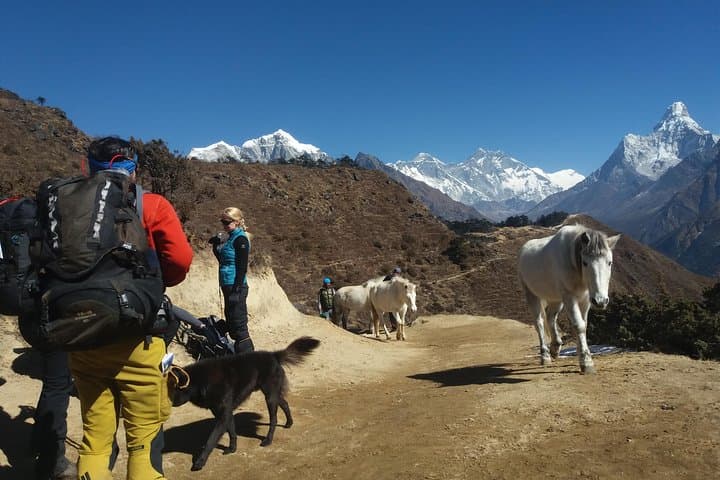
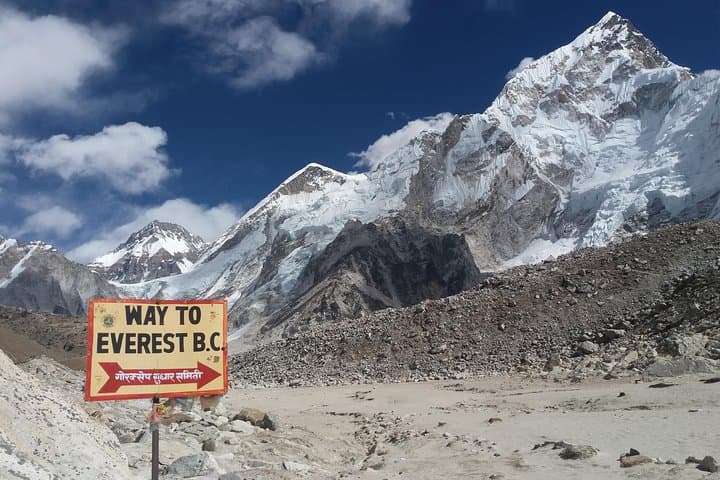
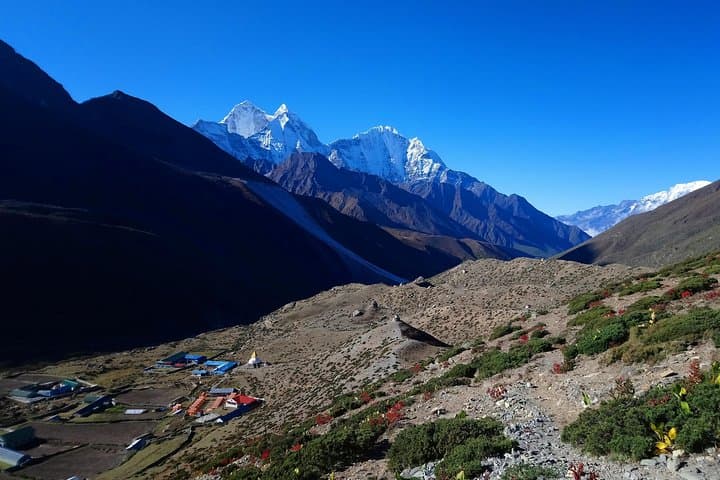
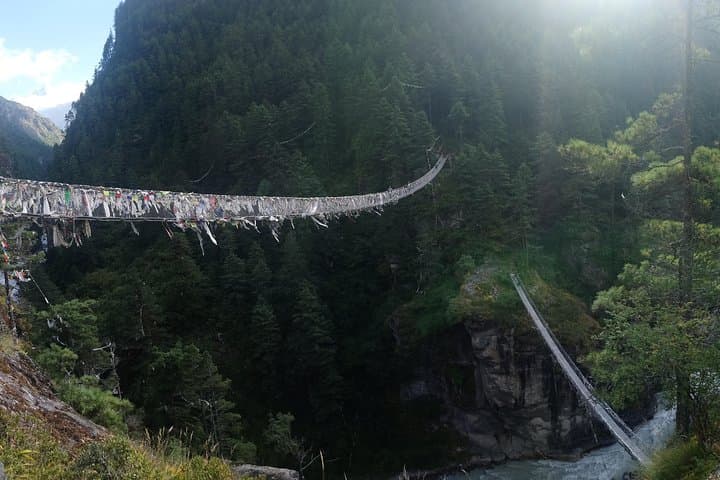
A high, thin air presses against your notion of distance as you step from Lukla’s runway and into a landscape that rearranges scale: prayer flags flapping like signals, mani stones marking the trail, ridgelines folding into glacier teeth. The trek to Everest Base Camp (EBC) is a progressive ascent through Sherpa villages, rhododendron forests and the stark, glacial valleys of Sagarmatha National Park.
A high, thin air presses against your notion of distance as you step from Lukla’s runway and into a landscape that rearranges scale: prayer flags flapping like signals, mani stones marking the trail, ridgelines folding into glacier teeth. The trek to Everest Base Camp (EBC) is a progressive ascent through Sherpa villages, rhododendron forests and the stark, glacial valleys of Sagarmatha National Park.
The route threads local history and geology: teahouses cluster around centuries-old Buddhist monasteries while moraines and rockfall scars tell of the Khumbu Glacier’s slow, relentless motion. Sherpa culture is visible in daily rhythms—yak caravans, mani walls and monastery rituals—united to a mountaineering history that began with early Himalayan expeditions in the 20th century.
Expect long walking days on rocky, sometimes icy trails, with altitude peaking above 5,500 m at Kala Patthar and EBC sitting under the shadow of the Khumbu Icefall. Weather is seasonal—clear, cold mornings reward you with sunrise on Everest; afternoons can bring wind and snow.
Practical guidance: plan 10–14 days to allow acclimatization; bring layered insulation, a sleeping bag rated for sub-zero temps and microspikes for late-season snow. Hydrate, pace uphill sections, and learn early signs of acute mountain sickness—descending is the corrective action.
Logistics: flights to Lukla are weather-dependent; teahouse accommodations are basic—expect shared facilities and simple meals. Respect local customs, carry permit documents (Sagarmatha National Park and TIMS), and pack out waste when possible. The trek is as much a cultural journey as a physical one: move steadily, listen to your body and let the route shape your day-to-day goals.