THE ADVENTURE COLLECTIVE® · Independent discovery and booking for outdoor travel

A high-altitude classic: fly to Lukla, trek through Sherpa villages and moraine to Everest Base Camp, then climb Kala Patthar for a sunrise view of Everest. Plan for acclimatization, early flights, and cold nights in teahouses.
A high-altitude classic: fly to Lukla, trek through Sherpa villages and moraine to Everest Base Camp, then climb Kala Patthar for a sunrise view of Everest. Plan for acclimatization, early flights, and cold nights in teahouses.
The sound of the Twin Otter’s wheels lifting off from Kathmandu is the first pulse of the Everest Base Camp trek — a short, dramatic flight to Lukla that drops you into a world of stone stairways, prayer flags, and river-fed valleys.
Verified experiences and guided adventures in the surrounding area.
Operated by Mission Summit Treks And Expedition · Gorak Shep, Solukhumbu District
The sound of the Twin Otter’s wheels lifting off from Kathmandu is the first pulse of the Everest Base Camp trek — a short, dramatic flight to Lukla that drops you into a world of stone stairways, prayer flags, and river-fed valleys.
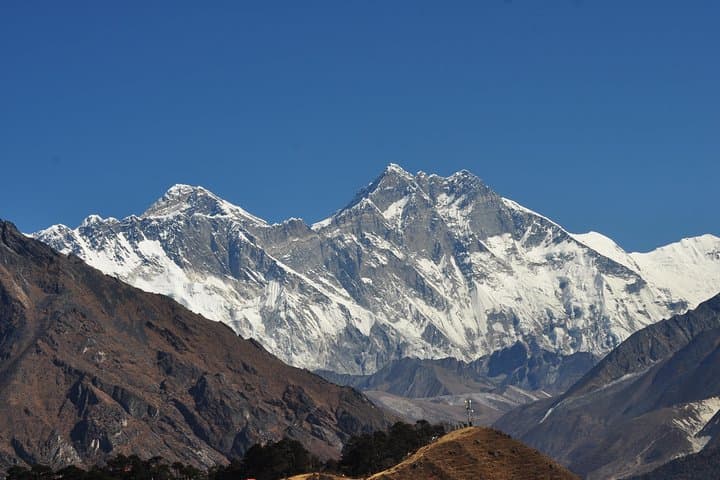
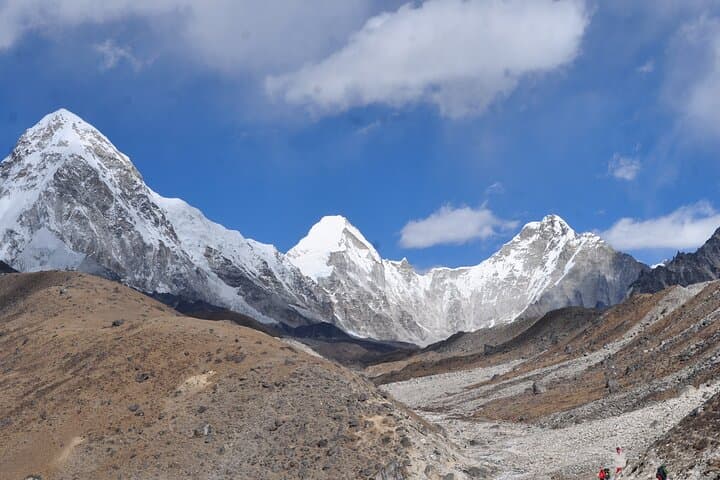
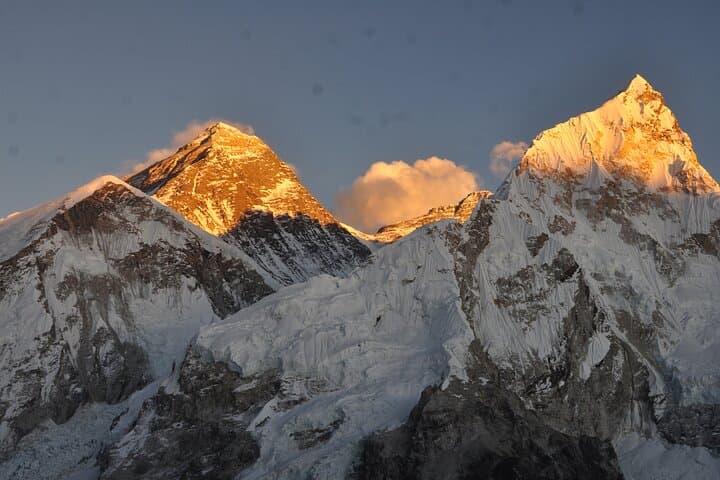
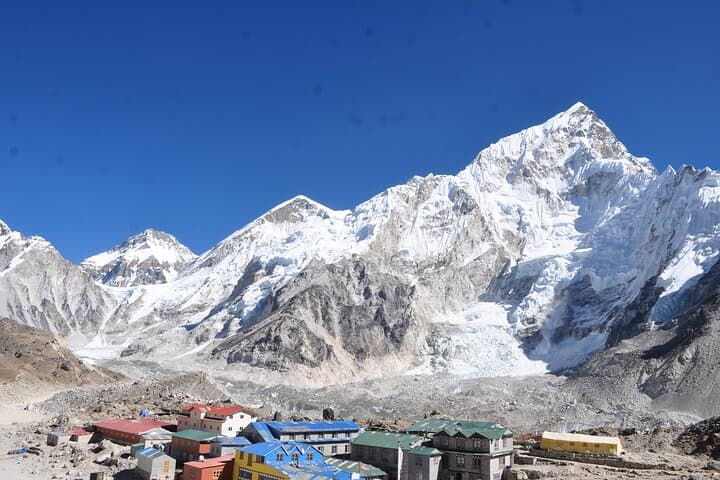
You move upriver past Phakding along the Dudh Kosi, cross swinging suspension bridges and climb into Sherpa country at Namche Bazaar, the acclimatization hub framed by terraced fields and trading teahouses. The trail threads rhododendron forest, moraine slopes and exposed alpine ridgelines before arriving at Gorak Shep and the ice-scoured plain of Everest Base Camp (about 5,364 m). Kala Patthar’s shoulder rewards those who climb it with the clearest view of Everest, Lhotse and Nuptse.
The landscape sits inside Sagarmatha National Park, a UNESCO site since 1979, and the trail is as much cultural as geological — stone walls, mani stones and monasteries reflect Sherpa Buddhist life. Trails range from packed dirt and stone steps to loose scree near the terminal moraine.
Practical edge: aim for 12 days, build in at least two acclimatization days, and factor Lukla flight windows into your schedule. Carry layered insulation for freezing nights, sun protection for thin-air UV, and a lightweight sleeping bag rated to -10°C. Porters and teahouse stays make the route accessible, but altitude is the variable to respect: steady pacing, hydration, and listening to your body are essential for finishing the trek and climbing Kala Patthar at dawn for the best light on the world’s roof.
challenging.
12 days.
Good cardiovascular fitness with prior multi-day hiking or trekking experience; ability to carry a daypack for several hours daily.
No — Everest Base Camp is a high-altitude trek without glacier travel if you stop at EBC; Kala Patthar is a non-technical climb, though physical fitness and acclimatization are required.
You need a TIMS card and Sagarmatha National Park entry permit; guides or agencies typically arrange these before or at Lukla/Namche.
Pre-monsoon (March–May) and post-monsoon (September–November) offer the most stable weather and best visibility.
Yes — licensed guides and porters are widely available and recommended for safety, logistics, and to carry heavier loads.
The Khumbu region is home to the Sherpa people and has been part of Himalayan trade routes for centuries; Sagarmatha National Park was designated a UNESCO site in 1979.
Permits fund park management; stick to trails, carry out waste, and follow porter weight guidelines to reduce ecological and cultural impact.
Mission Summit Treks And Expedition operates guided outdoor trips and adventures with an emphasis on safety, stewardship, and memorable experiences.
The sound of the Twin Otter’s wheels lifting off from Kathmandu is the first pulse of the Everest Base Camp trek — a short, dramatic flight to Lukla that drops you into a world of stone stairways, prayer flags, and river-fed valleys.
The sound of the Twin Otter’s wheels lifting off from Kathmandu is the first pulse of the Everest Base Camp trek — a short, dramatic flight to Lukla that drops you into a world of stone stairways, prayer flags, and river-fed valleys.
You move upriver past Phakding along the Dudh Kosi, cross swinging suspension bridges and climb into Sherpa country at Namche Bazaar, the acclimatization hub framed by terraced fields and trading teahouses. The trail threads rhododendron forest, moraine slopes and exposed alpine ridgelines before arriving at Gorak Shep and the ice-scoured plain of Everest Base Camp (about 5,364 m). Kala Patthar’s shoulder rewards those who climb it with the clearest view of Everest, Lhotse and Nuptse.
The landscape sits inside Sagarmatha National Park, a UNESCO site since 1979, and the trail is as much cultural as geological — stone walls, mani stones and monasteries reflect Sherpa Buddhist life. Trails range from packed dirt and stone steps to loose scree near the terminal moraine.
Practical edge: aim for 12 days, build in at least two acclimatization days, and factor Lukla flight windows into your schedule. Carry layered insulation for freezing nights, sun protection for thin-air UV, and a lightweight sleeping bag rated to -10°C. Porters and teahouse stays make the route accessible, but altitude is the variable to respect: steady pacing, hydration, and listening to your body are essential for finishing the trek and climbing Kala Patthar at dawn for the best light on the world’s roof.