THE ADVENTURE COLLECTIVE® · Independent discovery and booking for outdoor travel

A classic 10–15 day trek to Everest Base Camp, the route threads Sherpa villages, high monasteries, and glacial moraine culminating at the iconic base camp and Kala Patthar viewpoints. Expect long walking days, basic lodges, and important acclimatization stops.
A classic 10–15 day trek to Everest Base Camp, the route threads Sherpa villages, high monasteries, and glacial moraine culminating at the iconic base camp and Kala Patthar viewpoints. Expect long walking days, basic lodges, and important acclimatization stops.
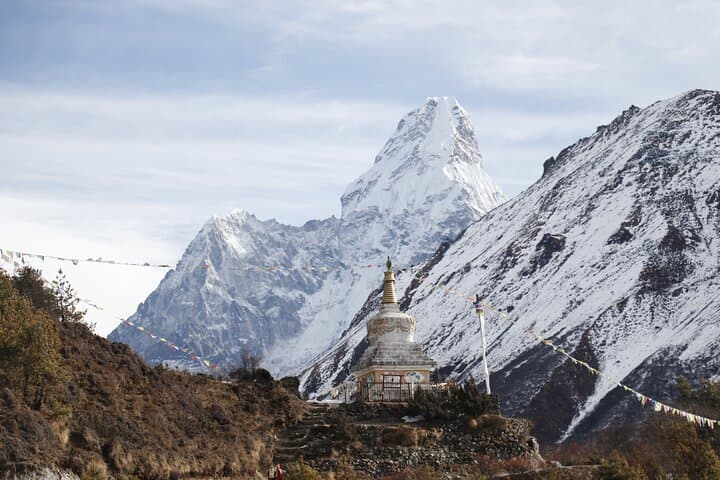
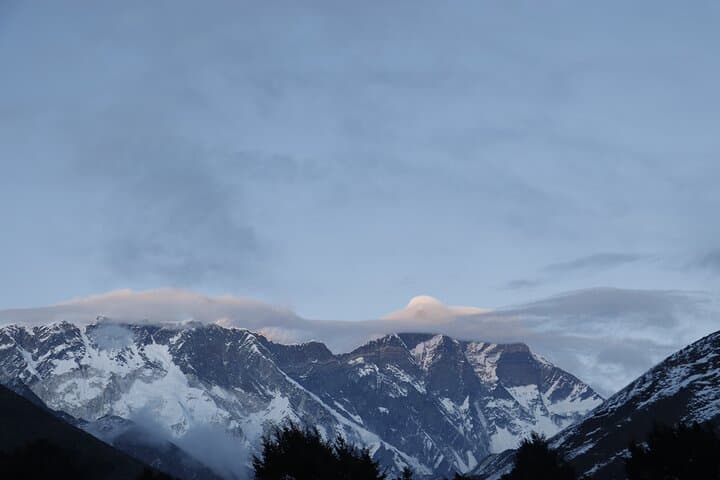
Dawn on the Khumbu feels like a held breath: prayer flags snap cold-blue against vertical light, yak bells mark each passing silhouette and the trail climbs into a thinner, cleaner world.
Verified experiences and guided adventures in the surrounding area.
Operated by Relax Getaways · Lukla, Province No. 1
Dawn on the Khumbu feels like a held breath: prayer flags snap cold-blue against vertical light, yak bells mark each passing silhouette and the trail climbs into a thinner, cleaner world.
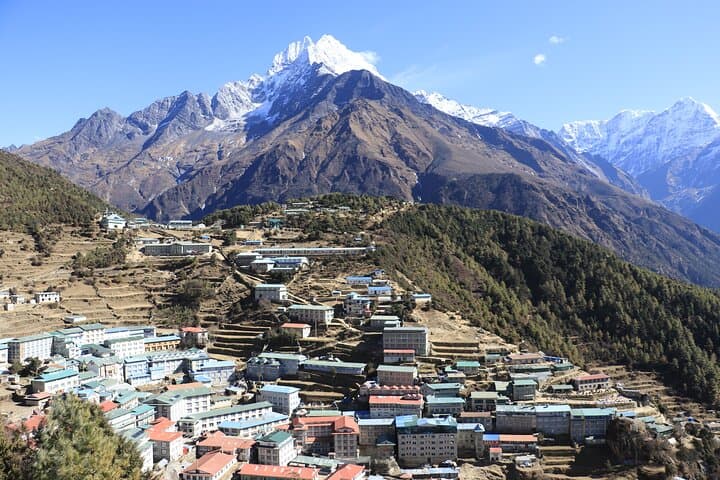
This classic 10–15 day trek follows the Dudh Kosi valley from Lukla through Sherpa villages—Namche Bazaar, Tengboche, Dingboche—onto the glacial moraine that leads to Everest Base Camp (5,364 m) and the pre-dawn scramble up Kala Patthar for a panoramic sunrise. The landscape shifts from river-cut pine forests and rhododendron slopes to stony moraines and high alpine scree; geology here is recent, uplifted by the ongoing collision of the Indian and Eurasian plates that birthed the Himalaya.
Culturally, the route threads through vibrant Sherpa communities and monasteries where Buddhist rituals and mountaineering history converge; Tengboche Monastery is a focal point for local life and vistas alike.
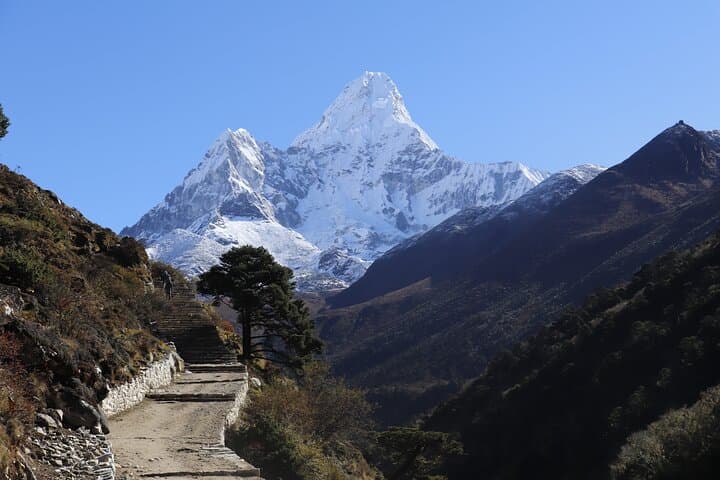
Practical guidance: acclimatize—planned rest days at Namche and Dingboche reduce altitude risk. Expect 4–7 hour walking days on mixed terrain: well-trodden dirt trails, river crossings, steep stone steps and exposed moraine near the high camps. Lodges provide hot meals and basic bedding, but pack layers for sub-zero nights and a high-calorie, water-forward plan during walks. Footwear should be broken-in, waterproof, and supportive; trekking poles reduce knee strain on long descents. Flights to/from Lukla are weather dependent—build buffer days around your international flights.
This is not technical climbing but it rewards careful preparation: move slowly, hydrate, and respect the mountain’s rhythm.
challenging.
10–15 days.
Good cardiovascular fitness with the ability to walk 4–7 hours a day carrying a daypack; prior multi-day hiking experience recommended.
No technical climbing skills are required; the route is a high-altitude trek, not a climb, but strong fitness and acclimatization are necessary.
Temperatures vary—daytime can be mild in spring/summer but nights at higher camps often fall below -10°C, colder on early Kala Patthar starts.
Yes—teahouses offer hot meals and basic rooms, but menu options and comfort decrease with altitude; bring snacks and be flexible.
Physically prepared beginners can, with proper training and strict adherence to acclimatization; consult a physician if you have heart or respiratory issues.
The Khumbu has long been a corridor for Tibetan trade and Sherpa settlement; Everest Base Camp rose to prominence with mid-20th century mountaineering expeditions and Sir Edmund Hillary’s era of Himalayan exploration.
The route passes through Sagarmatha National Park—practice Leave No Trace, avoid single-use plastics and support local lodges to minimize ecological impact.
Relax Getaways operates guided outdoor trips and adventures with an emphasis on safety, stewardship, and memorable experiences.
Dawn on the Khumbu feels like a held breath: prayer flags snap cold-blue against vertical light, yak bells mark each passing silhouette and the trail climbs into a thinner, cleaner world.
Dawn on the Khumbu feels like a held breath: prayer flags snap cold-blue against vertical light, yak bells mark each passing silhouette and the trail climbs into a thinner, cleaner world.
This classic 10–15 day trek follows the Dudh Kosi valley from Lukla through Sherpa villages—Namche Bazaar, Tengboche, Dingboche—onto the glacial moraine that leads to Everest Base Camp (5,364 m) and the pre-dawn scramble up Kala Patthar for a panoramic sunrise. The landscape shifts from river-cut pine forests and rhododendron slopes to stony moraines and high alpine scree; geology here is recent, uplifted by the ongoing collision of the Indian and Eurasian plates that birthed the Himalaya.
Culturally, the route threads through vibrant Sherpa communities and monasteries where Buddhist rituals and mountaineering history converge; Tengboche Monastery is a focal point for local life and vistas alike.
Practical guidance: acclimatize—planned rest days at Namche and Dingboche reduce altitude risk. Expect 4–7 hour walking days on mixed terrain: well-trodden dirt trails, river crossings, steep stone steps and exposed moraine near the high camps. Lodges provide hot meals and basic bedding, but pack layers for sub-zero nights and a high-calorie, water-forward plan during walks. Footwear should be broken-in, waterproof, and supportive; trekking poles reduce knee strain on long descents. Flights to/from Lukla are weather dependent—build buffer days around your international flights.
This is not technical climbing but it rewards careful preparation: move slowly, hydrate, and respect the mountain’s rhythm.