THE ADVENTURE COLLECTIVE® · Independent discovery and booking for outdoor travel

Experience the high-altitude route to Everest Base Camp: an acclimatized, staged trek through Sherpa villages, glacial moraines, and UNESCO-protected landscapes. This practical guide outlines what to expect on a 12–15 day itinerary and how to prepare for altitude and remote conditions.
Experience the high-altitude route to Everest Base Camp: an acclimatized, staged trek through Sherpa villages, glacial moraines, and UNESCO-protected landscapes. This practical guide outlines what to expect on a 12–15 day itinerary and how to prepare for altitude and remote conditions.
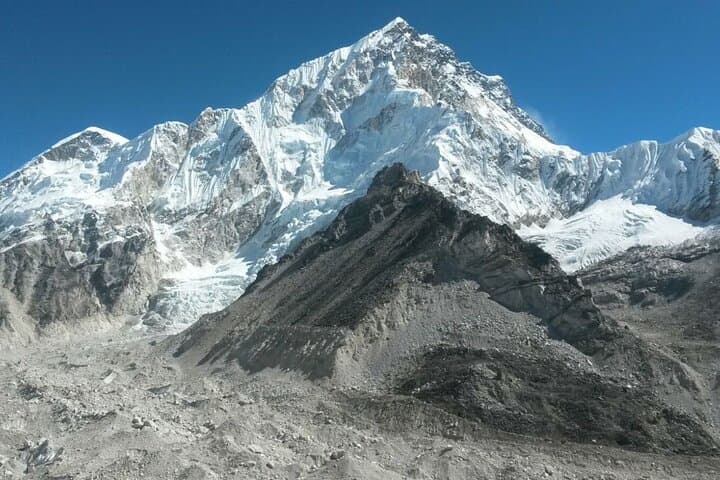
A thin morning light strips the valley bare and reveals the fluted ridgelines of the Khumbu. Hikers inhale cold air that tastes faintly of wood smoke and yak butter tea as stone steps climb out of pine shade toward a sky full of pinnacles. The path rises steadily—first through terraced lower villages, then into the black moraines and wind-scoured plateaus where prayer flags crack like small sails.
Verified experiences and guided adventures in the surrounding area.
Operated by Boundless Adventure · Lukla, Province No. 1
A thin morning light strips the valley bare and reveals the fluted ridgelines of the Khumbu. Hikers inhale cold air that tastes faintly of wood smoke and yak butter tea as stone steps climb out of pine shade toward a sky full of pinnacles. The path rises steadily—first through terraced lower villages, then into the black moraines and wind-scoured plateaus where prayer flags crack like small sails.
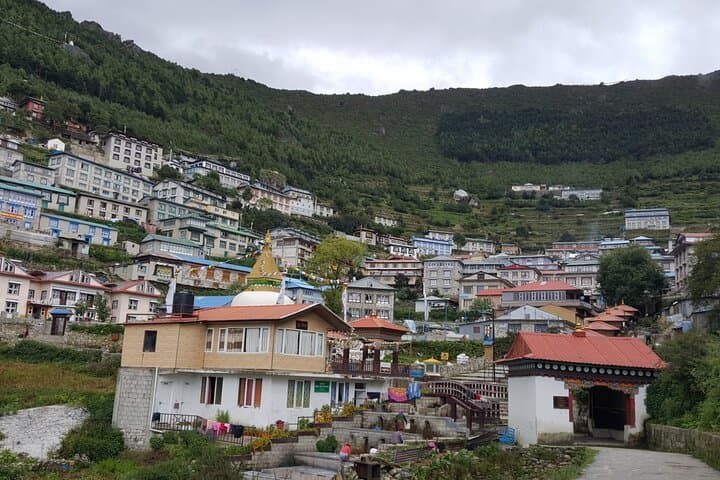
Geology here is immediate: uplifted seabed folded into jagged granite and layered metamorphic rock, pushed skyward by the collision of the Indian and Eurasian plates. The route crosses Sagarmatha National Park, a UNESCO site that protects high-altitude ecosystems and Sherpa cultural landscapes. Sherpa villages, mani walls and high gompas register a living human history: trade routes, Tibetan Buddhism, and mountaineering support communities that have long read the moods of these peaks.
Practical guide: the standard EBC itinerary includes a Lukla flight, staged altitude gains, and teahouse nights—expect 12–15 days round trip with daily walking of 4–8 hours. Altitude, not steep technical terrain, is the limiting factor; acclimatization days in Namche Bazaar and a measured pace are essential. Pack layered insulation, a reliable down jacket, and sturdy trekking boots with ankle support. Hydration, slow ascent, and vigilance for acute mountain sickness (AMS) matter more than speed.
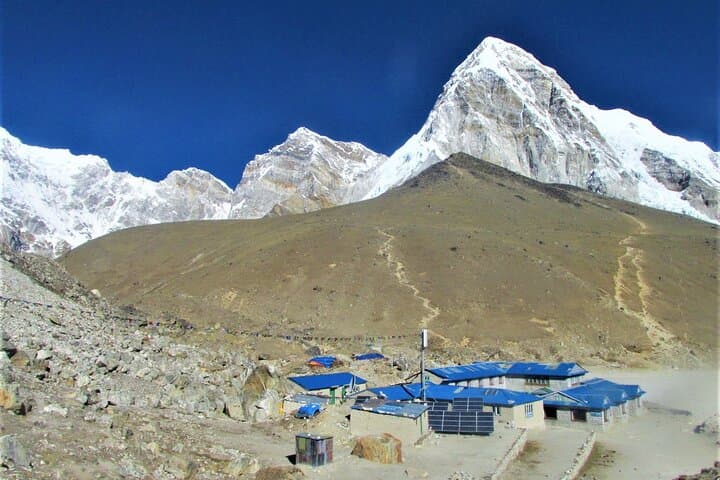
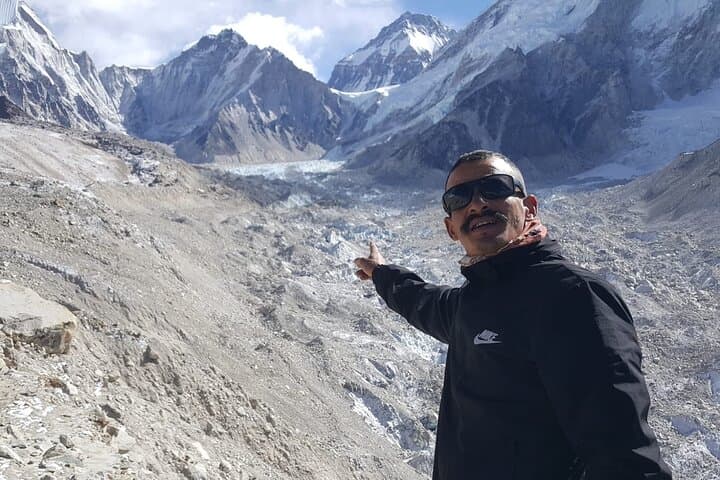
Most visitors encounter yak caravans sharing the trail, dramatic panoramic views at Kala Patthar at sunrise, and a resilient mountain culture that offers both hot meals and hard-won hospitality. Time your trek for stable weather windows, respect local customs, and leave no trace—these high meadows regenerate slowly.
challenging.
12–15 days.
Good aerobic fitness and endurance for consecutive days of uphill walking and long days at altitude
Typical itineraries run 12–15 days including the Lukla flights and acclimatization stops; flexible schedules include extra rest days.
No technical climbing is required—this is a high-altitude trek. Good fitness and acclimatization knowledge are crucial.
Pre-monsoon (March–May) and post-monsoon (late September–November) offer the most stable weather and the clearest views.
Simple lodges offer basic rooms, shared bathrooms or squat toilets, and communal dining; standards vary with remoteness and altitude.
The Khumbu region developed as a trade corridor between Nepal and Tibet; mountaineering interest after the 1950s transformed local economies and infrastructure.
Sagarmatha National Park manages permits and visitor limits; stick to marked trails and minimize wood use since high-altitude forests recover slowly.
Boundless Adventure operates guided outdoor trips and adventures with an emphasis on safety, stewardship, and memorable experiences.
A thin morning light strips the valley bare and reveals the fluted ridgelines of the Khumbu. Hikers inhale cold air that tastes faintly of wood smoke and yak butter tea as stone steps climb out of pine shade toward a sky full of pinnacles. The path rises steadily—first through terraced lower villages, then into the black moraines and wind-scoured plateaus where prayer flags crack like small sails.
A thin morning light strips the valley bare and reveals the fluted ridgelines of the Khumbu. Hikers inhale cold air that tastes faintly of wood smoke and yak butter tea as stone steps climb out of pine shade toward a sky full of pinnacles. The path rises steadily—first through terraced lower villages, then into the black moraines and wind-scoured plateaus where prayer flags crack like small sails.
Geology here is immediate: uplifted seabed folded into jagged granite and layered metamorphic rock, pushed skyward by the collision of the Indian and Eurasian plates. The route crosses Sagarmatha National Park, a UNESCO site that protects high-altitude ecosystems and Sherpa cultural landscapes. Sherpa villages, mani walls and high gompas register a living human history: trade routes, Tibetan Buddhism, and mountaineering support communities that have long read the moods of these peaks.
Practical guide: the standard EBC itinerary includes a Lukla flight, staged altitude gains, and teahouse nights—expect 12–15 days round trip with daily walking of 4–8 hours. Altitude, not steep technical terrain, is the limiting factor; acclimatization days in Namche Bazaar and a measured pace are essential. Pack layered insulation, a reliable down jacket, and sturdy trekking boots with ankle support. Hydration, slow ascent, and vigilance for acute mountain sickness (AMS) matter more than speed.
Most visitors encounter yak caravans sharing the trail, dramatic panoramic views at Kala Patthar at sunrise, and a resilient mountain culture that offers both hot meals and hard-won hospitality. Time your trek for stable weather windows, respect local customs, and leave no trace—these high meadows regenerate slowly.