THE ADVENTURE COLLECTIVE® · Independent discovery and booking for outdoor travel

A classic 10-day route into the Khumbu that ends with a time-saving helicopter flight to Kathmandu. This guide outlines the terrain, cultural highlights, altitude challenges and practical gear to plan confidently.
A classic 10-day route into the Khumbu that ends with a time-saving helicopter flight to Kathmandu. This guide outlines the terrain, cultural highlights, altitude challenges and practical gear to plan confidently.
The trail opens with a thin, cold light over Kathmandu as your plane drops into Lukla and the mountains close in like a wall. You move from pine-scented valleys into high, wind-scoured ridgelines, crossing suspension bridges and mani walls while the Dudh Koshi river dares you to hurry. Villages grow quieter and the air thinner until ice and the Khumbu Glacier dominate the view at Gorak Shep.
Verified experiences and guided adventures in the surrounding area.
Operated by Breakfree Adventures Pvt. Ltd. · Kathmandu, Province No. 1
The trail opens with a thin, cold light over Kathmandu as your plane drops into Lukla and the mountains close in like a wall. You move from pine-scented valleys into high, wind-scoured ridgelines, crossing suspension bridges and mani walls while the Dudh Koshi river dares you to hurry. Villages grow quieter and the air thinner until ice and the Khumbu Glacier dominate the view at Gorak Shep.
The route traces the classique Everest approach through Sagarmatha National Park, a UNESCO-protected landscape shaped by tectonic uplift and glacial carving. Along the way, Sherpa culture punctuates the trail—prayer flags, gompas, and the Sir Edmund Hillary Hospital speak to mountain history and community resilience.
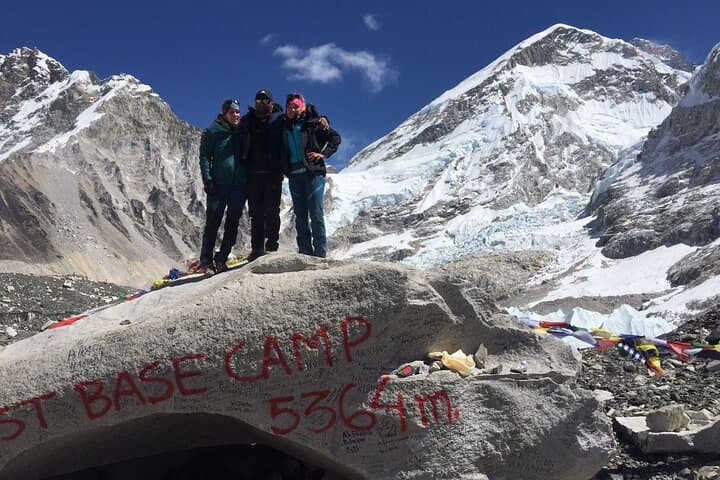
Expect steep days of 4–7 hours where elevation gain matters more than distance: Namche Bazaar (3,440m) and acclimatization hikes set you up for Gorak Shep and the short push to Everest Base Camp (≈5,400m). Kala Patthar (≈5,550m) delivers the clearest 360° panorama and is your heli pickup point for a time-saving return to Kathmandu.
Practically: permits (TIMS, Sagarmatha entry) are required, lodges provide basic meals and sleeping-aid gear is often included, and a helicopter return reduces descent stress but is weather-dependent. Hydration, conservative pacing, and awareness of altitude illness are critical. Footwear with firm ankle support, layered insulation, and a good sleeping bag make the difference between a tough day and an achievable summit of the locus of trekking: Everest Base Camp.
challenging.
10 days (most trekking days 4–7 hours).
Good cardiovascular fitness with experience on multi-day hikes at altitude; prepare with 6–12 weeks of progressive aerobic and stair training.
Yes—timed entry for Sagarmatha National Park (permit) and a TIMS card are required and typically handled by your operator.
Daily trekking ranges from 3–7 hours; expect steady uphill sections and multiple days above 3,500 m, requiring good aerobic fitness.
Operators usually revert to the standard Lukla flight return and descent by trail; build buffer days and check the cancellation/refund policy.
Acute Mountain Sickness can occur; management includes rest, descent, acetazolamide when prescribed, and evacuation if symptoms worsen.
The modern trekking route grew after the 1953 Everest ascent; Sir Edmund Hillary’s work led to development of schools and a hospital that still serve Khumbu communities.
Sagarmatha National Park limits permits and promotes waste management—pack out plastics where possible and respect local water and fuel resources.
Breakfree Adventures Pvt. Ltd. operates guided outdoor trips and adventures with an emphasis on safety, stewardship, and memorable experiences.
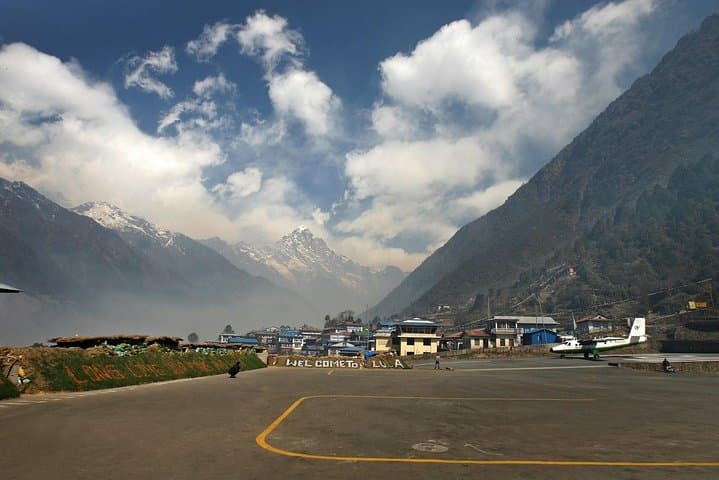
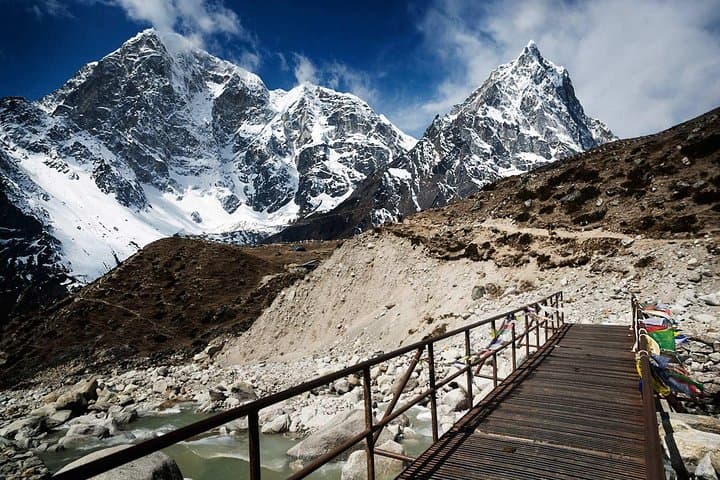
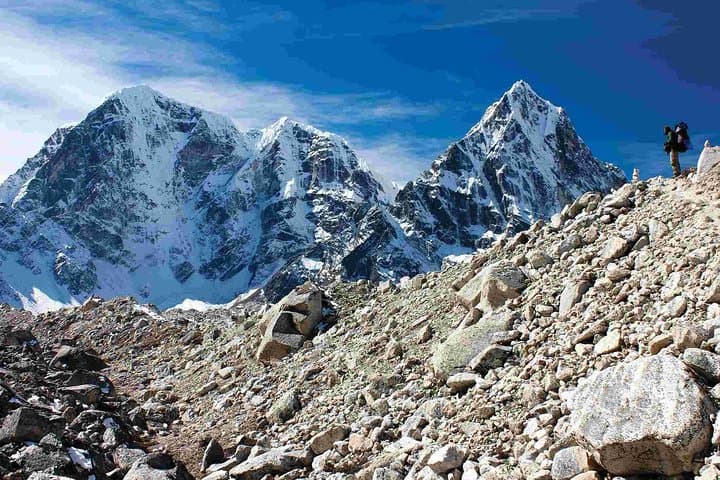
The trail opens with a thin, cold light over Kathmandu as your plane drops into Lukla and the mountains close in like a wall. You move from pine-scented valleys into high, wind-scoured ridgelines, crossing suspension bridges and mani walls while the Dudh Koshi river dares you to hurry. Villages grow quieter and the air thinner until ice and the Khumbu Glacier dominate the view at Gorak Shep.
The trail opens with a thin, cold light over Kathmandu as your plane drops into Lukla and the mountains close in like a wall. You move from pine-scented valleys into high, wind-scoured ridgelines, crossing suspension bridges and mani walls while the Dudh Koshi river dares you to hurry. Villages grow quieter and the air thinner until ice and the Khumbu Glacier dominate the view at Gorak Shep.
The route traces the classique Everest approach through Sagarmatha National Park, a UNESCO-protected landscape shaped by tectonic uplift and glacial carving. Along the way, Sherpa culture punctuates the trail—prayer flags, gompas, and the Sir Edmund Hillary Hospital speak to mountain history and community resilience.
Expect steep days of 4–7 hours where elevation gain matters more than distance: Namche Bazaar (3,440m) and acclimatization hikes set you up for Gorak Shep and the short push to Everest Base Camp (≈5,400m). Kala Patthar (≈5,550m) delivers the clearest 360° panorama and is your heli pickup point for a time-saving return to Kathmandu.
Practically: permits (TIMS, Sagarmatha entry) are required, lodges provide basic meals and sleeping-aid gear is often included, and a helicopter return reduces descent stress but is weather-dependent. Hydration, conservative pacing, and awareness of altitude illness are critical. Footwear with firm ankle support, layered insulation, and a good sleeping bag make the difference between a tough day and an achievable summit of the locus of trekking: Everest Base Camp.