THE ADVENTURE COLLECTIVE® · Independent discovery and booking for outdoor travel

An 11-day classic through the Khumbu to Everest Base Camp with a helicopter return from Kala Patthar/Gorakhshep. Expect teahouse nights, gradual altitude gains, and a sunrise from Kala Patthar before a scenic heli flight back to Kathmandu.
An 11-day classic through the Khumbu to Everest Base Camp with a helicopter return from Kala Patthar/Gorakhshep. Expect teahouse nights, gradual altitude gains, and a sunrise from Kala Patthar before a scenic heli flight back to Kathmandu.
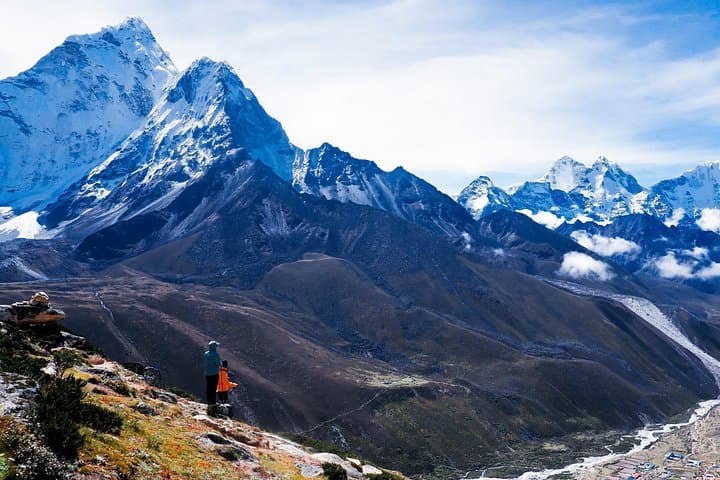
You step off the Lukla flight into thin, bright air and the Khumbu opens like a map folded into mountains. Paths cling to river terraces, suspension bridges rock underfoot, and the Dudh Koshi dares you with braided currents as you move steadily uphill toward ice and light.
Verified experiences and guided adventures in the surrounding area.
Operated by Adventure Vision Treks and Travels · Kathmandu, Bagmati Province
You step off the Lukla flight into thin, bright air and the Khumbu opens like a map folded into mountains. Paths cling to river terraces, suspension bridges rock underfoot, and the Dudh Koshi dares you with braided currents as you move steadily uphill toward ice and light.
This route runs through Sagarmatha National Park (est. 1976; UNESCO site since 1979), across valleys shaped by glaciation and the relentless uplift of the Himalaya. Villages like Namche Bazaar and Khumjung reflect Sherpa culture—stone houses, mani walls, and monasteries such as Tengboche where prayer flags snap like conversation with the wind. Geologically, peaks here are young and steep, made of uplifted metamorphic and sedimentary rock pushed skyward by the Indian plate.
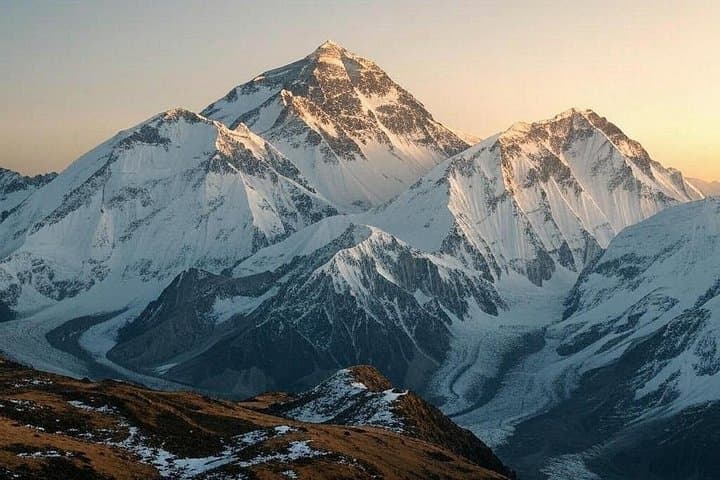
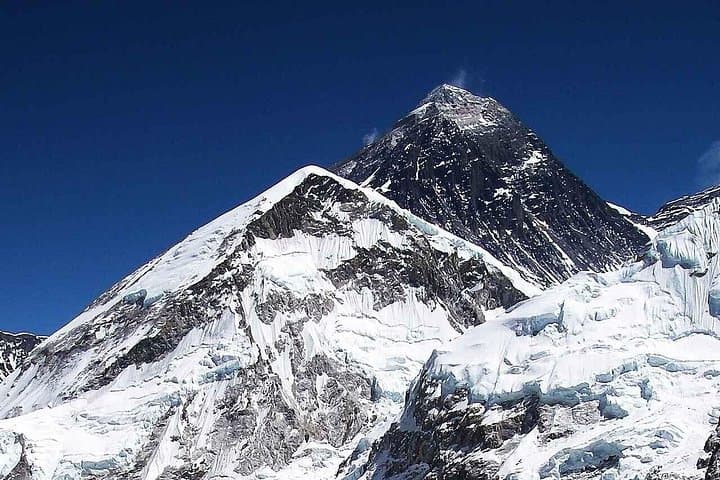
Practical guidance frames the experience: the itinerary is paced for acclimatization—Lukla to Namche, gradual gains through Dingboche and Lobuche, then Gorakhshep and Everest Base Camp. Kala Patthar (≈5,545 m) delivers the signature sunrise view of Everest; the heli return from Gorakhshep offers a dramatic aerial perspective back to Kathmandu but is weather-dependent. Expect simple teahouse accommodations, shared meals, and variable hot-water availability.
Prepare for altitude, cold nights, and strong sun. Use layers, hydrate, and plan rest days. The heli ride transforms the descent—replacing long walks with sweeping mountain panoramas—but treat it as luxury contingency rather than guaranteed exit. For many, the trek’s rhythm—slow climbs, prayer flags, and the glacier’s slow breathing—becomes the best part of the trip.
challenging.
10–12 days.
Good aerobic fitness with experience on multi-day hikes; ability to carry a daypack and manage steep ascents at altitude.
No — helicopter flights are weather-dependent; operators will attempt the flight but clear conditions and visibility are required.
Yes — Khumbu Pasang Lhamu Rural Municipality permit and Sagarmatha National Park entry permit are required and typically included by reputable operators.
Basic shared rooms with twin beds, limited hot water, and central dining areas; expect simple meals and communal spaces for resting.
The tour includes an experienced trekking guide and typically one porter per two trekkers; local staff handle luggage and logistics on trail.
The Khumbu is home to Sherpa communities with a long mountaineering history; the region rose to global prominence after 20th-century Everest expeditions.
Sagarmatha National Park is a protected area; trekkers should minimize waste, use local services responsibly, and follow leave-no-trace practices to protect fragile alpine ecosystems.
Adventure Vision Treks and Travels operates guided outdoor trips and adventures with an emphasis on safety, stewardship, and memorable experiences.
You step off the Lukla flight into thin, bright air and the Khumbu opens like a map folded into mountains. Paths cling to river terraces, suspension bridges rock underfoot, and the Dudh Koshi dares you with braided currents as you move steadily uphill toward ice and light.
You step off the Lukla flight into thin, bright air and the Khumbu opens like a map folded into mountains. Paths cling to river terraces, suspension bridges rock underfoot, and the Dudh Koshi dares you with braided currents as you move steadily uphill toward ice and light.
This route runs through Sagarmatha National Park (est. 1976; UNESCO site since 1979), across valleys shaped by glaciation and the relentless uplift of the Himalaya. Villages like Namche Bazaar and Khumjung reflect Sherpa culture—stone houses, mani walls, and monasteries such as Tengboche where prayer flags snap like conversation with the wind. Geologically, peaks here are young and steep, made of uplifted metamorphic and sedimentary rock pushed skyward by the Indian plate.
Practical guidance frames the experience: the itinerary is paced for acclimatization—Lukla to Namche, gradual gains through Dingboche and Lobuche, then Gorakhshep and Everest Base Camp. Kala Patthar (≈5,545 m) delivers the signature sunrise view of Everest; the heli return from Gorakhshep offers a dramatic aerial perspective back to Kathmandu but is weather-dependent. Expect simple teahouse accommodations, shared meals, and variable hot-water availability.
Prepare for altitude, cold nights, and strong sun. Use layers, hydrate, and plan rest days. The heli ride transforms the descent—replacing long walks with sweeping mountain panoramas—but treat it as luxury contingency rather than guaranteed exit. For many, the trek’s rhythm—slow climbs, prayer flags, and the glacier’s slow breathing—becomes the best part of the trip.