THE ADVENTURE COLLECTIVE® · Independent discovery and booking for outdoor travel

Fly into Lukla and follow a rugged high-altitude trail through Sherpa villages, glacier valleys, and towering peaks on this classic 11-day trek to Everest Base Camp. Expect stone steps, tea-house nights, and careful acclimatization.
Fly into Lukla and follow a rugged high-altitude trail through Sherpa villages, glacier valleys, and towering peaks on this classic 11-day trek to Everest Base Camp. Expect stone steps, tea-house nights, and careful acclimatization.
The plane tilts low over prayer-flagged ridgelines and drops you onto Lukla’s short runway; cold Himalayan air bites and the trail begins immediately, stepping into a landscape that forces you to move slowly and look high. Timber-framed lodges, tea-stalls and traders’ packs mark the first miles as trails climb through mixed forests toward Namche Bazaar.
Verified experiences and guided adventures in the surrounding area.
Operated by Alpine Vista Treks · Lukla, Koshi Province
The plane tilts low over prayer-flagged ridgelines and drops you onto Lukla’s short runway; cold Himalayan air bites and the trail begins immediately, stepping into a landscape that forces you to move slowly and look high. Timber-framed lodges, tea-stalls and traders’ packs mark the first miles as trails climb through mixed forests toward Namche Bazaar.
This route follows centuries-old trade and pilgrimage corridors that became famous with the 20th-century push to Everest. Geology here is stark: glacial-carved valleys, moraine ridges and silvery rivers that have cut down through uplifted sedimentary beds, revealing jagged, uplifted peaks—Everest, Lhotse, Nuptse—arranged like a graduating scale of altitude.
Sherpa culture threads every village: mani walls, gompas, and yak caravans are practical presences and living history. Wildlife is elusive but present—Himalayan tahr browse steep faces and pheasants flash across rhododendron thickets.
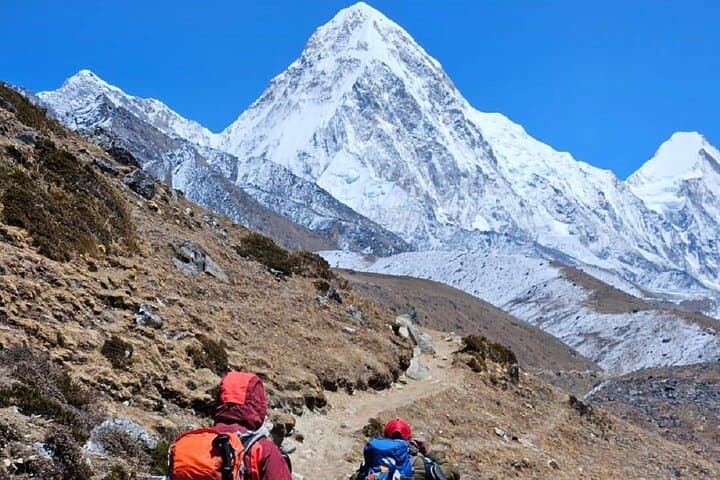
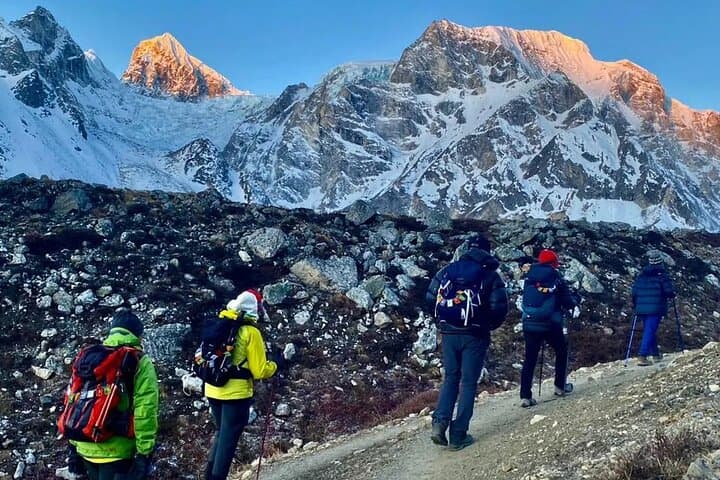
Practical guidance is straightforward: pace for acclimatization, accept short, steep days between high camps, and prioritize hydration and sleep. Expect trail surfaces of stone steps, packed dirt and occasional scree; average daily gains are 300–700 m with a summit push toward Gorak Shep and the Base Camp glacier at roughly 5,300 m. Tea-house accommodation provides warmth and meals but limited services—pack essentials and hygiene items.
Timing matters: spring and autumn offer the clearest views and busiest services; winter is cold with limited facilities; summer monsoon brings clouds and leeches at lower elevations. Permits (TIMS, Sagarmatha entry) and professional guides are standard; they manage logistics and altitude safety. For anyone ready to carry a full daypack and accept basic comforts, Lukla to Everest Base Camp is an uncompromising, magnificent high-altitude journey.
challenging.
10–12 days.
Good cardiovascular fitness and prior multi-day hiking experience; able to carry a 6–10 kg daypack and hike 5–8 hours over uneven terrain daily.
Yes—TIMS and Sagarmatha National Park entry permits are required and typically arranged by your guide or operator.
It’s challenging—good fitness helps, but acclimatization, pacing, and a knowledgeable guide are essential to manage altitude-related risks.
Tea-house lodges with shared rooms or small private rooms, basic beds, and communal dining; hot showers and charging can be limited or paid extras.
Spring (April–May) and autumn (Sept–Nov) offer the clearest weather and most reliable trail services.
The trail links long-standing Sherpa trade routes and pilgrimage paths and rose to international fame with the era of Himalayan mountaineering in the 20th century.
Trekking takes place within Sagarmatha National Park; visitors are encouraged to pack out waste, use established trails, and respect local water and wood resources.
Alpine Vista Treks operates guided outdoor trips and adventures with an emphasis on safety, stewardship, and memorable experiences.
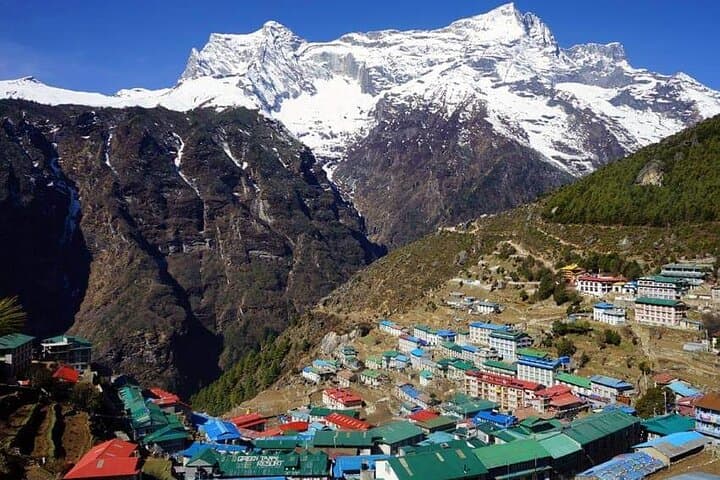
The plane tilts low over prayer-flagged ridgelines and drops you onto Lukla’s short runway; cold Himalayan air bites and the trail begins immediately, stepping into a landscape that forces you to move slowly and look high. Timber-framed lodges, tea-stalls and traders’ packs mark the first miles as trails climb through mixed forests toward Namche Bazaar.
The plane tilts low over prayer-flagged ridgelines and drops you onto Lukla’s short runway; cold Himalayan air bites and the trail begins immediately, stepping into a landscape that forces you to move slowly and look high. Timber-framed lodges, tea-stalls and traders’ packs mark the first miles as trails climb through mixed forests toward Namche Bazaar.
This route follows centuries-old trade and pilgrimage corridors that became famous with the 20th-century push to Everest. Geology here is stark: glacial-carved valleys, moraine ridges and silvery rivers that have cut down through uplifted sedimentary beds, revealing jagged, uplifted peaks—Everest, Lhotse, Nuptse—arranged like a graduating scale of altitude.
Sherpa culture threads every village: mani walls, gompas, and yak caravans are practical presences and living history. Wildlife is elusive but present—Himalayan tahr browse steep faces and pheasants flash across rhododendron thickets.
Practical guidance is straightforward: pace for acclimatization, accept short, steep days between high camps, and prioritize hydration and sleep. Expect trail surfaces of stone steps, packed dirt and occasional scree; average daily gains are 300–700 m with a summit push toward Gorak Shep and the Base Camp glacier at roughly 5,300 m. Tea-house accommodation provides warmth and meals but limited services—pack essentials and hygiene items.
Timing matters: spring and autumn offer the clearest views and busiest services; winter is cold with limited facilities; summer monsoon brings clouds and leeches at lower elevations. Permits (TIMS, Sagarmatha entry) and professional guides are standard; they manage logistics and altitude safety. For anyone ready to carry a full daypack and accept basic comforts, Lukla to Everest Base Camp is an uncompromising, magnificent high-altitude journey.