THE ADVENTURE COLLECTIVE® · Independent discovery and booking for outdoor travel

An 11-day beginner-friendly itinerary that eases you from Lukla to Everest Base Camp with two acclimatization days, tea‑house stays, and local Sherpa guides. Expect steep valleys, glacial sands, and sweeping Himalayan views.
An 11-day beginner-friendly itinerary that eases you from Lukla to Everest Base Camp with two acclimatization days, tea‑house stays, and local Sherpa guides. Expect steep valleys, glacial sands, and sweeping Himalayan views.
You step off the tiny Lukla runway into thin air and the trail pulls you immediately toward the headwaters of the Dudh Koshi, a river that seems to dare you to keep pace. The first days are a mix of rhododendron forest, suspension-bridge crossings, and the high, open valleys of the Khumbu as villages stack themselves up the slope: Phakding, Namche, Tengboche, and beyond.
Verified experiences and guided adventures in the surrounding area.
Operated by Mountain Hike Nepal · Lukla, Solukhumbu
You step off the tiny Lukla runway into thin air and the trail pulls you immediately toward the headwaters of the Dudh Koshi, a river that seems to dare you to keep pace. The first days are a mix of rhododendron forest, suspension-bridge crossings, and the high, open valleys of the Khumbu as villages stack themselves up the slope: Phakding, Namche, Tengboche, and beyond.
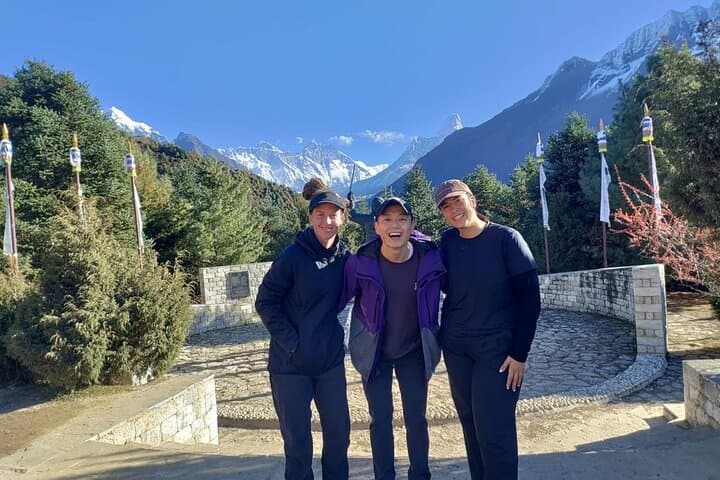
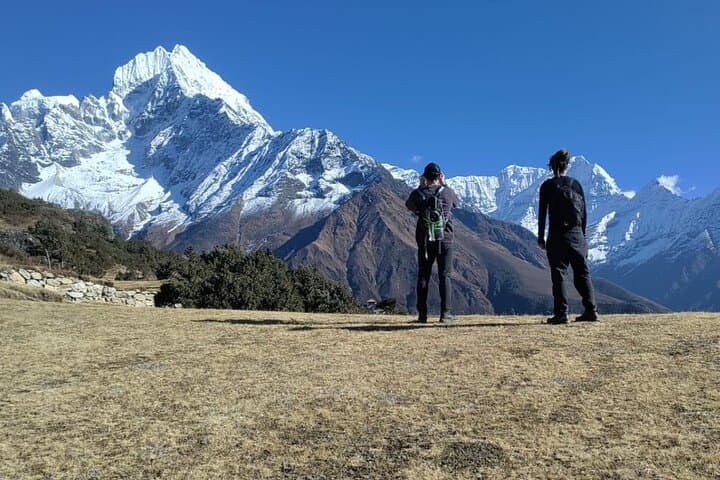
The route follows classic Himalayan geology—steep, glacially carved valleys, moraine plains around Gorakshep, and the jagged teeth of the Everest massif: Nuptse, Lhotse and Ama Dablam dominate the skyline. Culturally the trail threads through Sherpa villages and Buddhist monasteries; Tengboche’s monastery and Namche Bazaar’s market are living hubs where trade, prayer flags and mountaineering lore meet.
Practically, expect 11 days of sustained hiking with two deliberate acclimatization days. Altitudes: Lukla 2,860 m to Everest Base Camp 5,364 m and Kala Patthar 5,545 m; daily hiking ranges from 3–8 hours on rocky, stepped, and occasionally icy terrain. Tea houses provide meals and beds but minimal comforts; porters and a licensed guide handle logistics and permits. Watch for symptoms of altitude sickness, prioritize slow ascent, and carry layers for sub‑freezing nights.
Timing matters: aim for clear seasons (spring or autumn) for visibility; winter can be dry and cold but quieter. Bring a tested sleeping bag, sturdy boots, poles, sunscreen and a reliable water system. With steady pacing and respect for altitude, this beginner-friendly itinerary turns high‑mountain exposure into an attainable, unforgettable trek.
challenging.
11 days.
Good cardiovascular fitness and steady hiking conditioning; able to walk 4–8 hours on uneven terrain for consecutive days.
No—Everest Base Camp is a non-technical trek; you need stamina and basic high‑altitude awareness, not rope or crampon skills.
Spring (March–May) and autumn (September–November) offer the clearest skies and milder conditions; winter is colder and quieter, while monsoon summer brings clouds and more unstable trail conditions.
Mild altitude symptoms are common; prevention includes gradual ascent, hydration, rest days, and descending if symptoms worsen; guides will monitor and advise on medication or evacuation if needed.
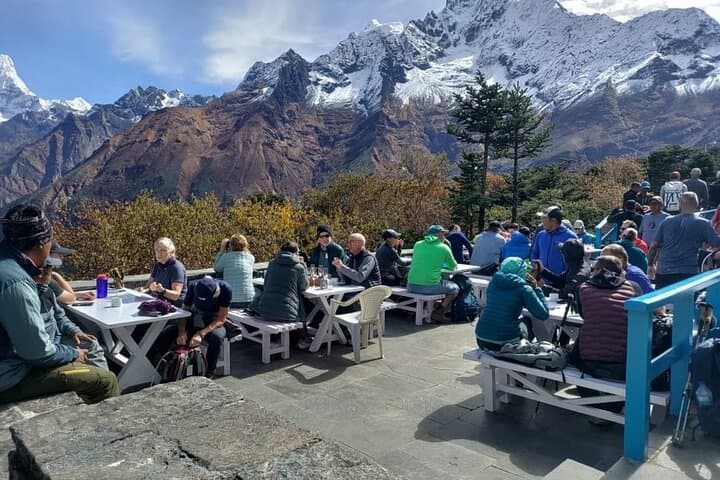
Tea‑houses provide basic twin rooms, shared bathrooms and hot meals — comforts are limited compared to urban hotels but adequate for rest and acclimatization.
The Khumbu was populated by Sherpa communities migrating from Tibet; the trail has been a trading and pilgrimage route long before modern trekking and was transformed by the 20th‑century mountaineering era.
Sagarmatha National Park limits are enforced to protect fragile alpine ecosystems; minimize waste, avoid single‑use plastics, and follow ‘leave no trace’ practices to reduce your impact.
Mountain Hike Nepal operates guided outdoor trips and adventures with an emphasis on safety, stewardship, and memorable experiences.
You step off the tiny Lukla runway into thin air and the trail pulls you immediately toward the headwaters of the Dudh Koshi, a river that seems to dare you to keep pace. The first days are a mix of rhododendron forest, suspension-bridge crossings, and the high, open valleys of the Khumbu as villages stack themselves up the slope: Phakding, Namche, Tengboche, and beyond.
You step off the tiny Lukla runway into thin air and the trail pulls you immediately toward the headwaters of the Dudh Koshi, a river that seems to dare you to keep pace. The first days are a mix of rhododendron forest, suspension-bridge crossings, and the high, open valleys of the Khumbu as villages stack themselves up the slope: Phakding, Namche, Tengboche, and beyond.
The route follows classic Himalayan geology—steep, glacially carved valleys, moraine plains around Gorakshep, and the jagged teeth of the Everest massif: Nuptse, Lhotse and Ama Dablam dominate the skyline. Culturally the trail threads through Sherpa villages and Buddhist monasteries; Tengboche’s monastery and Namche Bazaar’s market are living hubs where trade, prayer flags and mountaineering lore meet.
Practically, expect 11 days of sustained hiking with two deliberate acclimatization days. Altitudes: Lukla 2,860 m to Everest Base Camp 5,364 m and Kala Patthar 5,545 m; daily hiking ranges from 3–8 hours on rocky, stepped, and occasionally icy terrain. Tea houses provide meals and beds but minimal comforts; porters and a licensed guide handle logistics and permits. Watch for symptoms of altitude sickness, prioritize slow ascent, and carry layers for sub‑freezing nights.
Timing matters: aim for clear seasons (spring or autumn) for visibility; winter can be dry and cold but quieter. Bring a tested sleeping bag, sturdy boots, poles, sunscreen and a reliable water system. With steady pacing and respect for altitude, this beginner-friendly itinerary turns high‑mountain exposure into an attainable, unforgettable trek.