THE ADVENTURE COLLECTIVE® · Independent discovery and booking for outdoor travel

A high-altitude journey through pine forests, suspension bridges and glacial moraine, the Everest Base Camp trek pairs Sherpa culture with raw Himalayan geology. Read practical route specifics, altitude notes and preparation tips for this iconic Khumbu trek.
A high-altitude journey through pine forests, suspension bridges and glacial moraine, the Everest Base Camp trek pairs Sherpa culture with raw Himalayan geology. Read practical route specifics, altitude notes and preparation tips for this iconic Khumbu trek.
The plane drops toward Lukla and the mountains fill the cabin windows—jagged ridgelines slicing the sky, villages clinging to steep slopes. From that first heart-stopping approach you step into an ascending world where trails thread rhododendron forests, cross rushing rivers on suspension bridges and climb toward cold, glacial silence.
Verified experiences and guided adventures in the surrounding area.
Operated by Himalayan Leisure, Inc. · Kathmandu, Bagmati Province
The plane drops toward Lukla and the mountains fill the cabin windows—jagged ridgelines slicing the sky, villages clinging to steep slopes. From that first heart-stopping approach you step into an ascending world where trails thread rhododendron forests, cross rushing rivers on suspension bridges and climb toward cold, glacial silence.
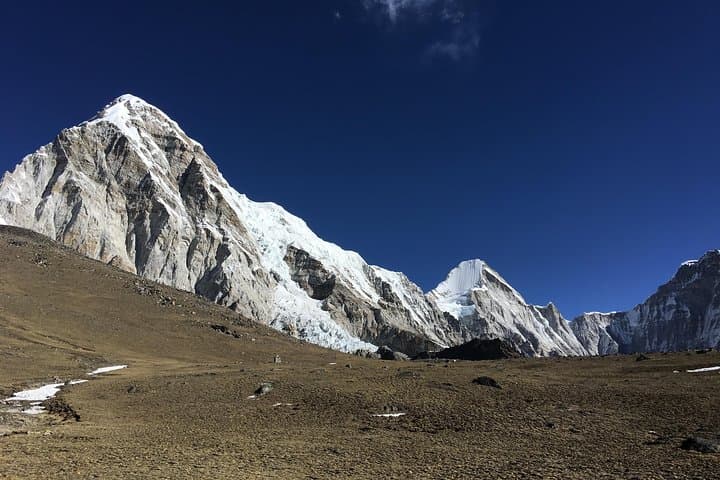
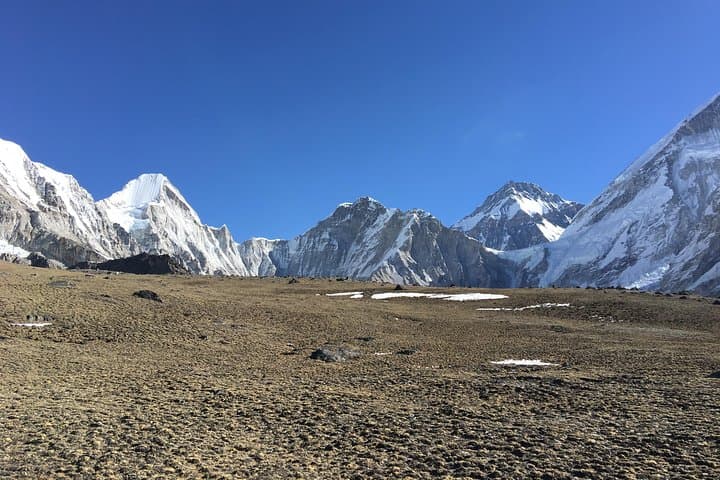
This classic Khumbu route follows centuries-old Sherpa trading paths. Geologically, you move from metamorphic foothills into the moraine fields of the Khumbu Glacier; granite and ice shape the landscape and create the broad, stony valley that channels weather and wind. Along the way hilltop monasteries—Tengboche’s gompa among them—anchor local Tibetan Buddhist culture and seasonal festivals still marked by villagers.
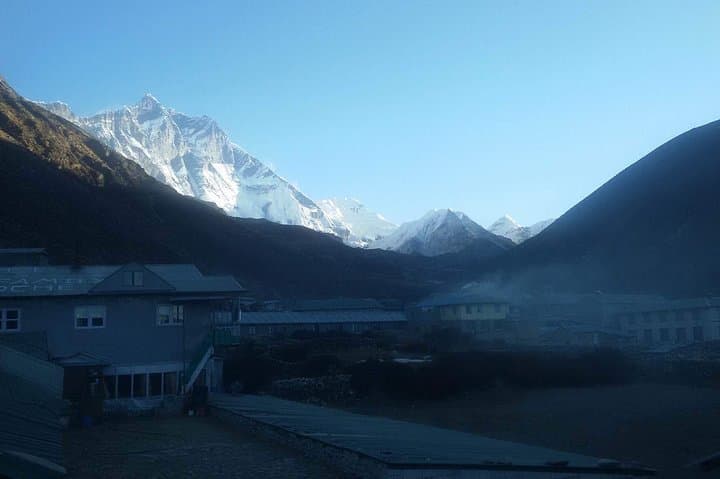
Expect 5–7 hours of walking most days, steeper pitches above Namche and technical scree or icy patches near Gorak Shep and Everest Base Camp (EBC). Key altitude points: Lukla ~2,860 m, Namche Bazaar ~3,440 m, Dingboche ~4,410 m, Gorak Shep ~5,130 m, Everest Base Camp ~5,364 m and Kala Patthar ~5,545 m. Two scheduled acclimatization days reduce acute mountain sickness risk; the terrain alternates packed dirt, stone steps and glacier-moraine walking where poles and steady pacing matter.
Practical guidance: hydrate early and often, use staged ascents on acclimatization days, and reserve warm and windproof layers for mornings and ridge-top viewpoints. Book the Lukla flight buffer day into your schedule and include insurance covering high-altitude rescue. With preparation, this trek offers direct, tactile encounters with Himalayan scale—thin air, relentless light and peaks that refuse to feel distant.
challenging.
12–15 days.
Good aerobic fitness; able to walk 6–7 hours on uneven terrain for multiple consecutive days and tolerate thin air.
The route is non-technical but physically demanding at altitude; experienced hikers or those who train for multi-day walks and cardiovascular fitness will manage best.
Yes—trekkers need TIMS and an Everest National Park permit; operators typically arrange these before you start.
Pre-monsoon (spring) and post-monsoon (autumn) offer the most stable weather and clear mountain views; winters are cold and summer brings clouds and rain.
Most itineraries include a 30-minute mountain flight from Kathmandu to Lukla; weather can delay flights, so allow a buffer day in Kathmandu.
The trail follows ancient trade and pilgrimage routes used by Sherpa and Tibetan communities; monasteries like Tengboche have long been spiritual and social hubs.
The Khumbu region is in a national park with permit systems and waste-management rules; trekkers are encouraged to follow Leave No Trace and use local teahouses to support community-based tourism.
Himalayan Leisure, Inc. operates guided outdoor trips and adventures with an emphasis on safety, stewardship, and memorable experiences.
The plane drops toward Lukla and the mountains fill the cabin windows—jagged ridgelines slicing the sky, villages clinging to steep slopes. From that first heart-stopping approach you step into an ascending world where trails thread rhododendron forests, cross rushing rivers on suspension bridges and climb toward cold, glacial silence.
The plane drops toward Lukla and the mountains fill the cabin windows—jagged ridgelines slicing the sky, villages clinging to steep slopes. From that first heart-stopping approach you step into an ascending world where trails thread rhododendron forests, cross rushing rivers on suspension bridges and climb toward cold, glacial silence.
This classic Khumbu route follows centuries-old Sherpa trading paths. Geologically, you move from metamorphic foothills into the moraine fields of the Khumbu Glacier; granite and ice shape the landscape and create the broad, stony valley that channels weather and wind. Along the way hilltop monasteries—Tengboche’s gompa among them—anchor local Tibetan Buddhist culture and seasonal festivals still marked by villagers.
Expect 5–7 hours of walking most days, steeper pitches above Namche and technical scree or icy patches near Gorak Shep and Everest Base Camp (EBC). Key altitude points: Lukla ~2,860 m, Namche Bazaar ~3,440 m, Dingboche ~4,410 m, Gorak Shep ~5,130 m, Everest Base Camp ~5,364 m and Kala Patthar ~5,545 m. Two scheduled acclimatization days reduce acute mountain sickness risk; the terrain alternates packed dirt, stone steps and glacier-moraine walking where poles and steady pacing matter.
Practical guidance: hydrate early and often, use staged ascents on acclimatization days, and reserve warm and windproof layers for mornings and ridge-top viewpoints. Book the Lukla flight buffer day into your schedule and include insurance covering high-altitude rescue. With preparation, this trek offers direct, tactile encounters with Himalayan scale—thin air, relentless light and peaks that refuse to feel distant.