THE ADVENTURE COLLECTIVE® · Independent discovery and booking for outdoor travel

A demanding, nontechnical trek through Khumbu to Everest Base Camp and Kalapathar. Expect suspension bridges, Sherpa villages, sunrise views of Everest, and necessary acclimatization days.
A demanding, nontechnical trek through Khumbu to Everest Base Camp and Kalapathar. Expect suspension bridges, Sherpa villages, sunrise views of Everest, and necessary acclimatization days.
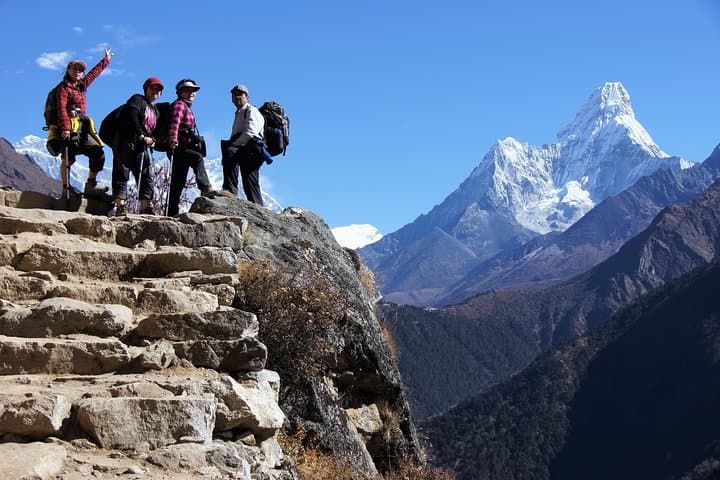
The trail opens with thin air and a panorama that sharpens with every step: prayer flags snap in a cold wind, jagged peaks push light into the valley, and the Dudh Kosi River dares you to move faster. From the rattle of Kathmandu streets to the small, wooden lodges of the Khumbu, this trek transitions you from city chaos to a high‑altitude world of ice and stone.
Verified experiences and guided adventures in the surrounding area.
Operated by Adventure Thirdpole · Gorakshep, Solukhumbu District
The trail opens with thin air and a panorama that sharpens with every step: prayer flags snap in a cold wind, jagged peaks push light into the valley, and the Dudh Kosi River dares you to move faster. From the rattle of Kathmandu streets to the small, wooden lodges of the Khumbu, this trek transitions you from city chaos to a high‑altitude world of ice and stone.
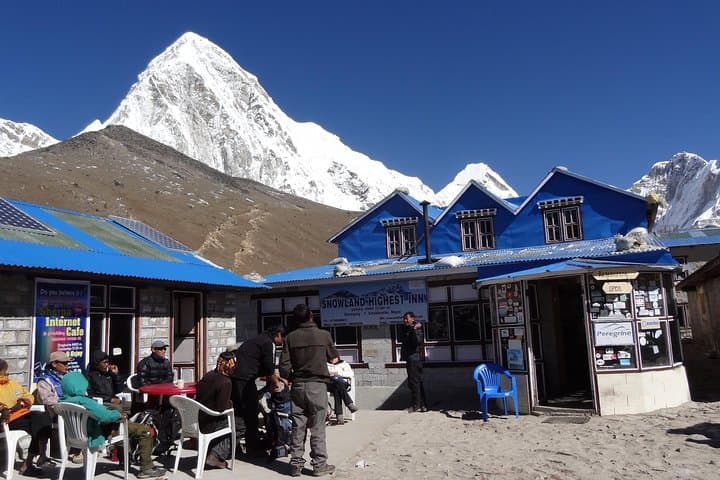
Geology here is raw — uplifted Himalayan thrust sheets and active glacial tongues carve moraine fields below the icefalls. Sherpa villages perch on river terraces and steep slopes; Tengboche Monastery and Namche Bazaar are cultural hubs where mountain Buddhism and trading history meet. Expect simple teahouses, yak caravans, and the layered hospitality of the Khumbu people.
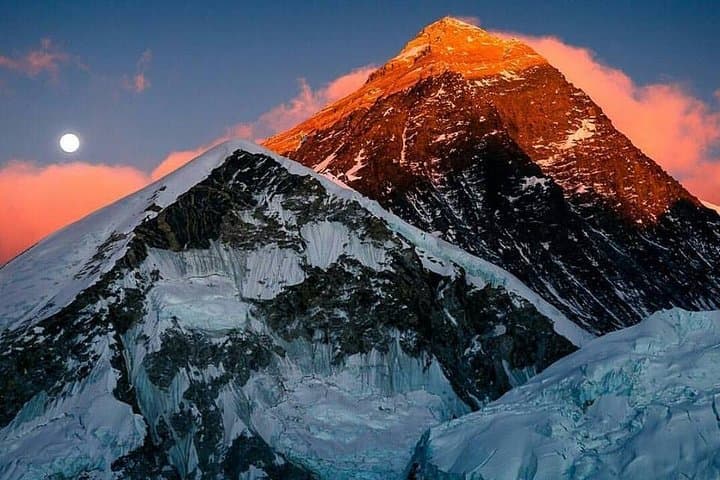
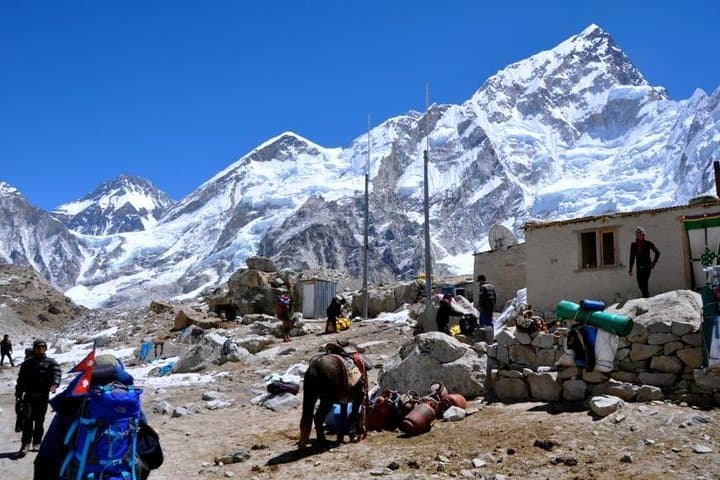
On the walk: long ascents, suspension bridges over the Dudh Kosi, and hours at altitude. Kalapathar’s rocky summit gives the closest, frontal view of Everest at sunrise; Everest Base Camp itself is a field of moraine, prayer flags, and the blue shadow of the Khumbu Icefall. Weather shifts fast — sun can burn one minute and snow the next.
Practical guidance: schedule acclimatization days (Namche, Dingboche), plan for flight delays into Lukla, and pack for subzero nights above 4,500 m. Hydrate constantly and watch for early signs of AMS. A professional guide and required permits are standard; no technical climbing gear is needed for EBC/Kalapathar, but sturdy boots, layers, and a warm sleeping bag are essential. With preparation, the trek is a demanding but nontechnical route that rewards steady pacing and respect for altitude.
challenging.
12–16 days.
Good cardiovascular endurance and experience with multi‑day hiking; comfortable with consecutive 5–8 hour walking days at altitude.
No technical climbing skills are required for the trek to Everest Base Camp and Kalapathar; however, you must be fit and acclimatize properly to handle high altitude and long walking days.
Spring (March–May) and autumn (September–November) offer the most stable weather and clear mountain views; winter is cold with limited services, and summer monsoon brings clouds and heavier precipitation.
Most itineraries take roughly 8–11 days from Lukla to EBC and back, with a full trip including flights and Kathmandu time often spanning 12–16 days.
You need the Sagarmatha National Park entry permit and a Khumbu Pasang Lhamu Rural Municipality (or TIMS historically) permit; guides or operators usually arrange these before departure.
The Khumbu has long been a trade corridor between Tibet and Nepal; Sherpa communities developed mountain‑oriented agriculture, trade and high‑altitude guiding over recent centuries.
Sagarmatha National Park regulates visitor numbers and waste practices; travelers should pack out plastic, use local toilets where offered, and support local waste‑management initiatives.
Adventure Thirdpole operates guided outdoor trips and adventures with an emphasis on safety, stewardship, and memorable experiences.
The trail opens with thin air and a panorama that sharpens with every step: prayer flags snap in a cold wind, jagged peaks push light into the valley, and the Dudh Kosi River dares you to move faster. From the rattle of Kathmandu streets to the small, wooden lodges of the Khumbu, this trek transitions you from city chaos to a high‑altitude world of ice and stone.
The trail opens with thin air and a panorama that sharpens with every step: prayer flags snap in a cold wind, jagged peaks push light into the valley, and the Dudh Kosi River dares you to move faster. From the rattle of Kathmandu streets to the small, wooden lodges of the Khumbu, this trek transitions you from city chaos to a high‑altitude world of ice and stone.
Geology here is raw — uplifted Himalayan thrust sheets and active glacial tongues carve moraine fields below the icefalls. Sherpa villages perch on river terraces and steep slopes; Tengboche Monastery and Namche Bazaar are cultural hubs where mountain Buddhism and trading history meet. Expect simple teahouses, yak caravans, and the layered hospitality of the Khumbu people.
On the walk: long ascents, suspension bridges over the Dudh Kosi, and hours at altitude. Kalapathar’s rocky summit gives the closest, frontal view of Everest at sunrise; Everest Base Camp itself is a field of moraine, prayer flags, and the blue shadow of the Khumbu Icefall. Weather shifts fast — sun can burn one minute and snow the next.
Practical guidance: schedule acclimatization days (Namche, Dingboche), plan for flight delays into Lukla, and pack for subzero nights above 4,500 m. Hydrate constantly and watch for early signs of AMS. A professional guide and required permits are standard; no technical climbing gear is needed for EBC/Kalapathar, but sturdy boots, layers, and a warm sleeping bag are essential. With preparation, the trek is a demanding but nontechnical route that rewards steady pacing and respect for altitude.