THE ADVENTURE COLLECTIVE® · Independent discovery and booking for outdoor travel

Fly into Lukla, follow stone trails through Sherpa villages and reach Everest Base Camp over 17 days. This guide lays out what to expect—from geology and culture to practical gear and altitude tips.
Fly into Lukla, follow stone trails through Sherpa villages and reach Everest Base Camp over 17 days. This guide lays out what to expect—from geology and culture to practical gear and altitude tips.
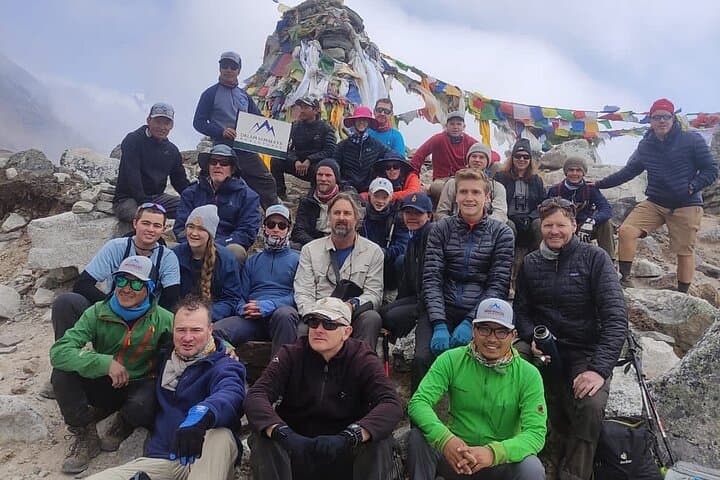
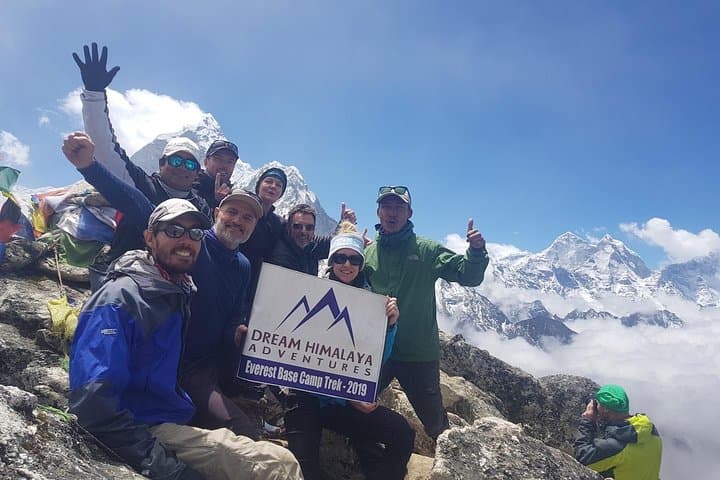
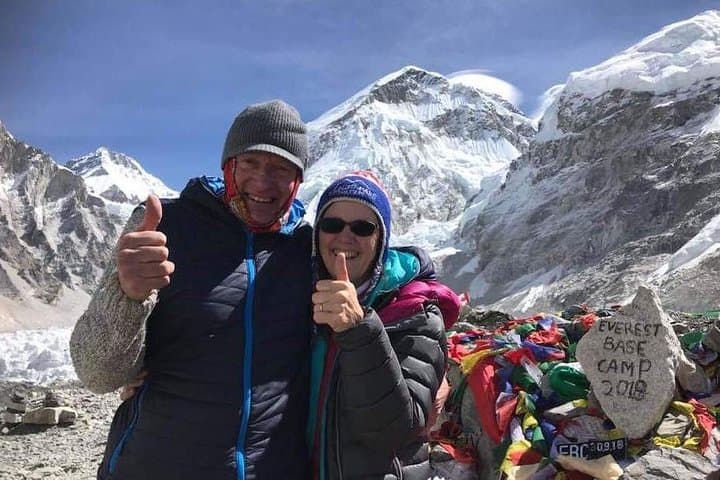
The trail begins before dawn, wheels of the small aircraft whispering as Lukla drops away and the high Himalaya rises like a promise. On foot, the path threads rivers and rhododendron slopes, climbing through Sherpa villages where prayer flags flutter like punctuation to the sky.
Verified experiences and guided adventures in the surrounding area.
Operated by Dream Himalaya Adventures Pvt Ltd · Gorak Shep, Province No. 1
The trail begins before dawn, wheels of the small aircraft whispering as Lukla drops away and the high Himalaya rises like a promise. On foot, the path threads rivers and rhododendron slopes, climbing through Sherpa villages where prayer flags flutter like punctuation to the sky.
This 17-day circuit moves from Kathmandu’s crowded streets into Sagarmatha National Park, created in 1976 to protect the area’s glaciers and alpine ecology. Geologically the route crosses young Himalayan uplift—jagged moraines, glacial outwash plains and cirques carved by ice. Culturally it is Sherpa country: you’ll pass monasteries, mani walls and the Khumjung school founded with Sir Edmund Hillary’s support, reminders of the region’s Tibetan roots and Himalayan mountaineering history.
Expect varied terrain: river valleys and stone-paved trails at lower elevations, switching to loose moraine and packed snow near Gorak Shep and Everest Base Camp. Altitude governs pace—acclimatization days in Namche and Dingboche are built in to reduce AMS risk. Wildlife is sparse but present; yaks graze the high meadows and Himalayan tahr appear on steep ribs.
Practically, flights to Lukla are weather-dependent; build an extra day for cancellations. Lightweight layering, insulated water bottles, and sturdy ankle-support boots matter more than fashion. Hydrate, monitor symptoms of altitude sickness, and travel with licensed guides and appropriate permits—Sagarmatha entry and TIMS are required. With preparation the trek is a demanding but deeply rewarding journey to the roofline of the world, framed by Everest’s austere presence and the steady hospitality of Sherpa communities.
challenging.
17 days.
Requires good cardiovascular fitness, prior multi-day trekking experience, and the ability to carry a daypack in thin air.
Yes—Sagarmatha National Park entry and a TIMS card are required; reputable operators include these in the package.
Lukla flights are weather-dependent and cancellations are common; itineraries typically include a buffer day for this reason.
Late spring (March–May) and autumn (September–November) offer the most stable weather and best visibility.
Altitude sickness is a real risk above 3,000–4,000 m; follow acclimatization days, hydrate, avoid alcohol, and descend if symptoms worsen.
The region is Sherpa country; many villages trace ancestry to migrants from eastern Tibet and the area rose to global prominence after 1953 climbs and the development of mountaineering routes.
Sagarmatha National Park fees fund conservation; minimize waste, avoid single-use plastics, and use local guides to reduce environmental impact.
Dream Himalaya Adventures Pvt Ltd operates guided outdoor trips and adventures with an emphasis on safety, stewardship, and memorable experiences.
The trail begins before dawn, wheels of the small aircraft whispering as Lukla drops away and the high Himalaya rises like a promise. On foot, the path threads rivers and rhododendron slopes, climbing through Sherpa villages where prayer flags flutter like punctuation to the sky.
The trail begins before dawn, wheels of the small aircraft whispering as Lukla drops away and the high Himalaya rises like a promise. On foot, the path threads rivers and rhododendron slopes, climbing through Sherpa villages where prayer flags flutter like punctuation to the sky.
This 17-day circuit moves from Kathmandu’s crowded streets into Sagarmatha National Park, created in 1976 to protect the area’s glaciers and alpine ecology. Geologically the route crosses young Himalayan uplift—jagged moraines, glacial outwash plains and cirques carved by ice. Culturally it is Sherpa country: you’ll pass monasteries, mani walls and the Khumjung school founded with Sir Edmund Hillary’s support, reminders of the region’s Tibetan roots and Himalayan mountaineering history.
Expect varied terrain: river valleys and stone-paved trails at lower elevations, switching to loose moraine and packed snow near Gorak Shep and Everest Base Camp. Altitude governs pace—acclimatization days in Namche and Dingboche are built in to reduce AMS risk. Wildlife is sparse but present; yaks graze the high meadows and Himalayan tahr appear on steep ribs.
Practically, flights to Lukla are weather-dependent; build an extra day for cancellations. Lightweight layering, insulated water bottles, and sturdy ankle-support boots matter more than fashion. Hydrate, monitor symptoms of altitude sickness, and travel with licensed guides and appropriate permits—Sagarmatha entry and TIMS are required. With preparation the trek is a demanding but deeply rewarding journey to the roofline of the world, framed by Everest’s austere presence and the steady hospitality of Sherpa communities.