THE ADVENTURE COLLECTIVE® · Independent discovery and booking for outdoor travel

A 17-day guided trek from Kathmandu to Everest Base Camp that moves through Sherpa villages, high alpine passes, and glacier-swept valleys. Expect long days at altitude, iconic panoramas, and cultural stops in monasteries and Namche Bazaar.
A 17-day guided trek from Kathmandu to Everest Base Camp that moves through Sherpa villages, high alpine passes, and glacier-swept valleys. Expect long days at altitude, iconic panoramas, and cultural stops in monasteries and Namche Bazaar.
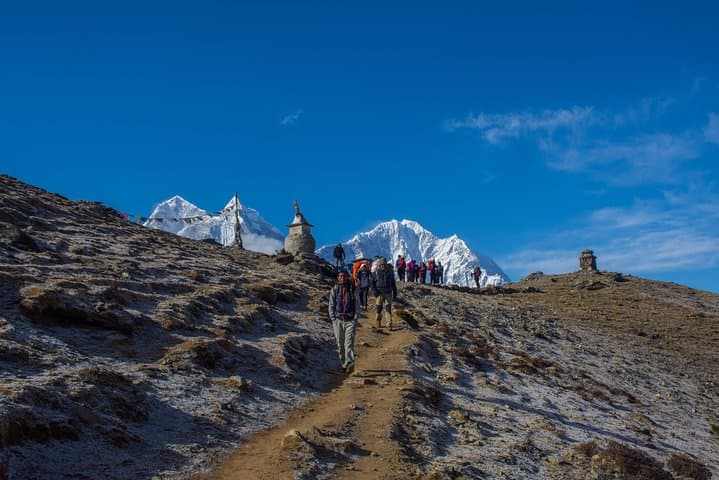
A thin Himalayan dawn slides over Kathmandu’s rooftops and, by midweek, you’re airborne toward Lukla—where the valley breathes and the trail begins. The approach is immediate: stone villages, prayer flags snapping like punctuation, and a stair-stepped route that climbs from 2,840 m at Lukla through Namche Bazaar (3,440 m) and on toward higher, wind-honed settlements.
Verified experiences and guided adventures in the surrounding area.
Operated by Dream Himalaya Adventures Pvt Ltd · Lukla, Province No. 1
A thin Himalayan dawn slides over Kathmandu’s rooftops and, by midweek, you’re airborne toward Lukla—where the valley breathes and the trail begins. The approach is immediate: stone villages, prayer flags snapping like punctuation, and a stair-stepped route that climbs from 2,840 m at Lukla through Namche Bazaar (3,440 m) and on toward higher, wind-honed settlements.
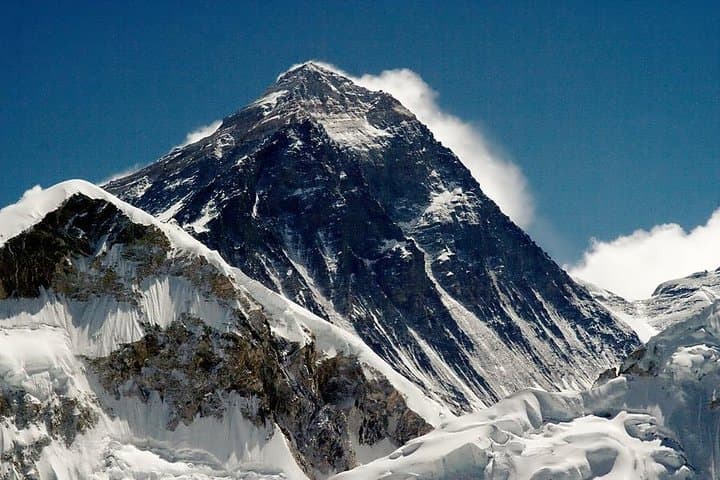
This corridor sits inside Sagarmatha National Park, carved by tectonic uplift and glaciation over millions of years; the peaks around you—Everest (8,848 m), Lhotse, Nuptse—are raw faces of uplifted crust and ancient ice. The trek threads Sherpa villages and Buddhist monasteries where centuries-old traditions meet the practical logistics of modern trekking: tea houses, mani walls and the steady, wry hospitality of local guides.
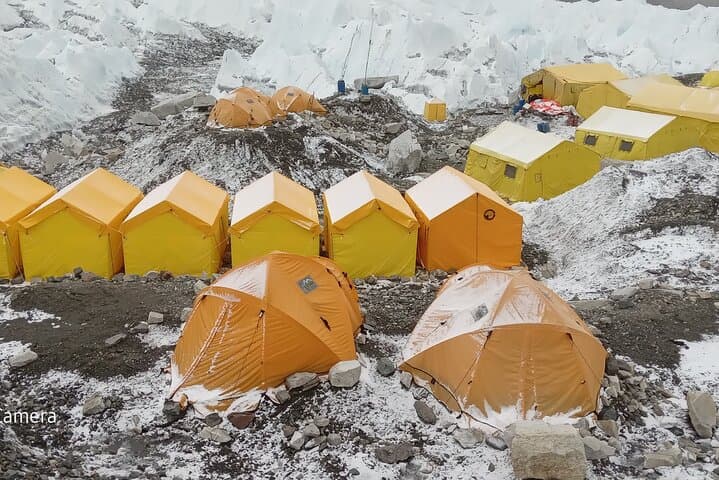
Expect daily walks of 6–14 km with frequent altitude gains and losses; key nights include Namche, Tengboche (3,860 m), Dingboche (4,410 m), Lobuche (4,910 m) and Gorak Shep (5,140 m) before the 5,364 m Everest Base Camp and a pre-dawn climb of Kala Patthar (~5,550 m) for the classic sunrise view.
Practical planning is straightforward but unforgiving: acclimatize, carry layered clothing and a reliable sleeping system, and budget for weather delays on the Lukla flight. Hydration, slow pacing, and a seasoned Sherpa guide are the trip’s best insurance. When the wind presses on the ridge, the mountains feel like a judge—unyielding, exacting, and ultimately honest.
challenging.
17 days.
Good cardiovascular fitness and prior multi-day hiking experience recommended; ability to walk 6–8 hours with a daypack at altitude.
No; the standard EBC trek is a non-technical hiking route, though you should be experienced with long days, uneven terrain and altitude.
Daily sections are typically 6–14 km and take 3–8 hours depending on terrain and acclimatization; some days involve sustained uphill gains.
You need Sagarmatha National Park entry permit and a TIMS (Trekkers' Information Management System) card; your operator usually arranges these.
Very common—Lukla flights are weather-dependent and subject to cancellations; the itinerary usually includes buffer days for this reason.
The Khumbu region has been a Sherpa cultural area since Tibetan migrations in the 15th–16th centuries and grew internationally after the 1953 Everest ascent.
Sagarmatha National Park manages trekking impact through permits and lodge waste rules; pack-out practices and reduced plastic use help protect fragile alpine ecosystems.
Dream Himalaya Adventures Pvt Ltd operates guided outdoor trips and adventures with an emphasis on safety, stewardship, and memorable experiences.
A thin Himalayan dawn slides over Kathmandu’s rooftops and, by midweek, you’re airborne toward Lukla—where the valley breathes and the trail begins. The approach is immediate: stone villages, prayer flags snapping like punctuation, and a stair-stepped route that climbs from 2,840 m at Lukla through Namche Bazaar (3,440 m) and on toward higher, wind-honed settlements.
A thin Himalayan dawn slides over Kathmandu’s rooftops and, by midweek, you’re airborne toward Lukla—where the valley breathes and the trail begins. The approach is immediate: stone villages, prayer flags snapping like punctuation, and a stair-stepped route that climbs from 2,840 m at Lukla through Namche Bazaar (3,440 m) and on toward higher, wind-honed settlements.
This corridor sits inside Sagarmatha National Park, carved by tectonic uplift and glaciation over millions of years; the peaks around you—Everest (8,848 m), Lhotse, Nuptse—are raw faces of uplifted crust and ancient ice. The trek threads Sherpa villages and Buddhist monasteries where centuries-old traditions meet the practical logistics of modern trekking: tea houses, mani walls and the steady, wry hospitality of local guides.
Expect daily walks of 6–14 km with frequent altitude gains and losses; key nights include Namche, Tengboche (3,860 m), Dingboche (4,410 m), Lobuche (4,910 m) and Gorak Shep (5,140 m) before the 5,364 m Everest Base Camp and a pre-dawn climb of Kala Patthar (~5,550 m) for the classic sunrise view.
Practical planning is straightforward but unforgiving: acclimatize, carry layered clothing and a reliable sleeping system, and budget for weather delays on the Lukla flight. Hydration, slow pacing, and a seasoned Sherpa guide are the trip’s best insurance. When the wind presses on the ridge, the mountains feel like a judge—unyielding, exacting, and ultimately honest.