THE ADVENTURE COLLECTIVE® · Independent discovery and booking for outdoor travel

Follow the classic 17-day Lukla–Everest Base Camp trek through Sagarmatha National Park, where Sherpa villages, high lodges and panoramic summits define each day. This practical guide outlines elevations, daily rhythm, and tips to prepare for altitude and the weather-sensitive Lukla flight.
Follow the classic 17-day Lukla–Everest Base Camp trek through Sagarmatha National Park, where Sherpa villages, high lodges and panoramic summits define each day. This practical guide outlines elevations, daily rhythm, and tips to prepare for altitude and the weather-sensitive Lukla flight.
You step out of a thin-air airport into a landscape that redraws your sense of scale: terraced rice slopes give way to rhododendron forests, and by the second day the peaks begin to step forward, each ridge insisting you pay attention.
Verified experiences and guided adventures in the surrounding area.
Operated by Dream Himalaya Adventures Pvt Ltd · Lukla, Province No. 1
You step out of a thin-air airport into a landscape that redraws your sense of scale: terraced rice slopes give way to rhododendron forests, and by the second day the peaks begin to step forward, each ridge insisting you pay attention.
This 17-day itinerary follows the classic Lukla–Everest Base Camp route through Sagarmatha National Park, a UNESCO-protected landscape shaped by young Himalayan geology—faulted uplift, glacial carving, and moraines that record repeated advances and retreats. The route threads Sherpa villages like Namche Bazaar and Tengboche, where monasteries and mani walls reflect centuries of Tibetan migration and Buddhist practice.
Daily segments are moderate in distance but uncompromising in altitude: Lukla (2,840 m) to Namche (3,440 m), then to Tengboche (3,860 m), Lobuche (4,910 m), Gorak Shep (5,140 m), Everest Base Camp (5,364 m) and the sunrise vantage of Kala Patthar (~5,550 m). Expect 3–6 hour trekking days, with critical acclimatization rests in Namche and Dingboche.
Practical guidance: protect sleep and pace for altitude—hydrate, avoid alcohol, and add a rest day if symptoms appear. Flights to/from Lukla are scenic but weather-dependent; build contingency time. Good footwear with solid ankle support, layered insulation, and a lightweight down for high camps are essential. Meals are hearty teahouse fare; bring cash for remote purchases.
The trek is equal parts cultural exchange and alpine endurance: porters and Sherpa guides carry gear and stories, while glacial rivers and jagged ridgelines press you onward. Plan conservatively, respect local customs, and let the mountains set the rhythm.
challenging.
17 days.
Good cardiovascular fitness and prior multiday hiking experience recommended; able to walk 4–6 hours on uneven ground at altitude.
No technical climbing skills are required—the route is a high-altitude trek, but strong fitness and acclimatization practices are essential.
You need TIMS and Sagarmatha National Park permits; these are typically arranged by the operator and must be carried during the trek.
Flights are weather-dependent and often delayed or canceled; operators usually include buffer days and an emergency contingency day in Kathmandu.
Mild symptoms are common; stop ascending, hydrate, rest, and descend if symptoms progress—guides carry first-aid kits and can assist evacuation if needed.
The Khumbu region is home to the Sherpa people, descendants of Tibetan migrants who settled these valleys and developed high-altitude trade, culture, and mountaineering support over centuries.
Sagarmatha National Park requires permits and enforces waste rules; minimize single-use plastics, pack out waste where possible, and support local lodges that follow sustainable practices.
Dream Himalaya Adventures Pvt Ltd operates guided outdoor trips and adventures with an emphasis on safety, stewardship, and memorable experiences.
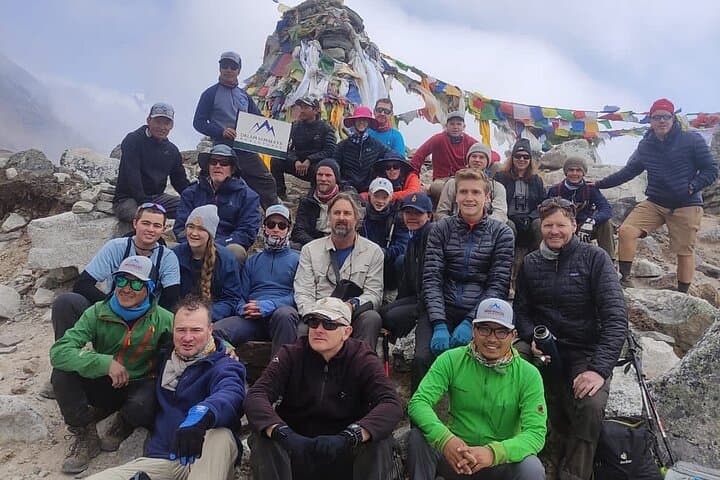
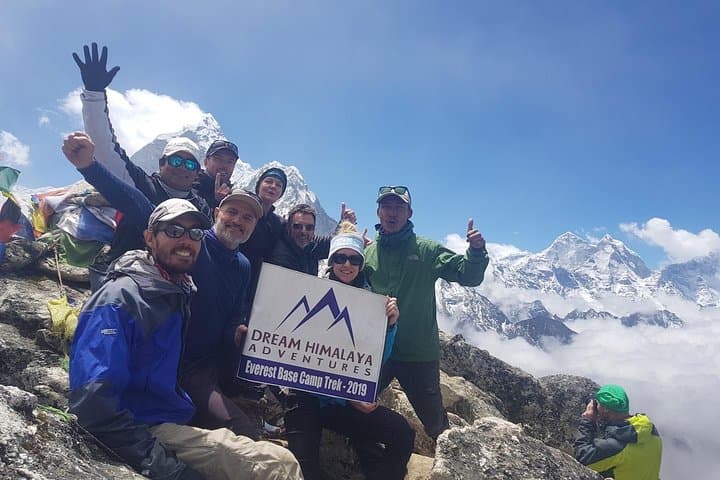
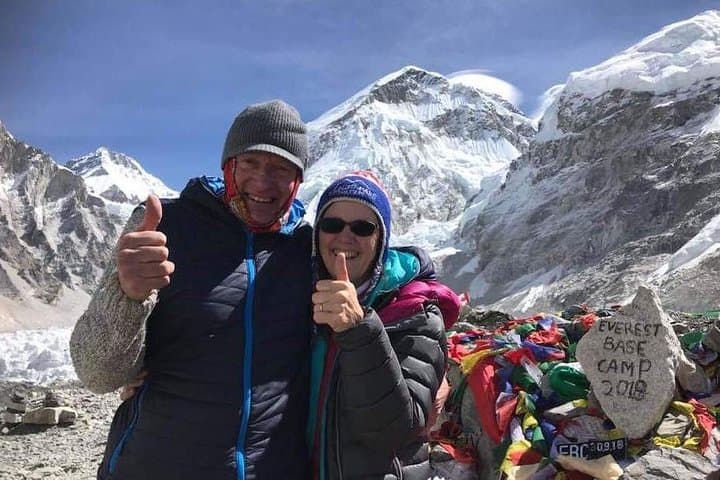
You step out of a thin-air airport into a landscape that redraws your sense of scale: terraced rice slopes give way to rhododendron forests, and by the second day the peaks begin to step forward, each ridge insisting you pay attention.
You step out of a thin-air airport into a landscape that redraws your sense of scale: terraced rice slopes give way to rhododendron forests, and by the second day the peaks begin to step forward, each ridge insisting you pay attention.
This 17-day itinerary follows the classic Lukla–Everest Base Camp route through Sagarmatha National Park, a UNESCO-protected landscape shaped by young Himalayan geology—faulted uplift, glacial carving, and moraines that record repeated advances and retreats. The route threads Sherpa villages like Namche Bazaar and Tengboche, where monasteries and mani walls reflect centuries of Tibetan migration and Buddhist practice.
Daily segments are moderate in distance but uncompromising in altitude: Lukla (2,840 m) to Namche (3,440 m), then to Tengboche (3,860 m), Lobuche (4,910 m), Gorak Shep (5,140 m), Everest Base Camp (5,364 m) and the sunrise vantage of Kala Patthar (~5,550 m). Expect 3–6 hour trekking days, with critical acclimatization rests in Namche and Dingboche.
Practical guidance: protect sleep and pace for altitude—hydrate, avoid alcohol, and add a rest day if symptoms appear. Flights to/from Lukla are scenic but weather-dependent; build contingency time. Good footwear with solid ankle support, layered insulation, and a lightweight down for high camps are essential. Meals are hearty teahouse fare; bring cash for remote purchases.
The trek is equal parts cultural exchange and alpine endurance: porters and Sherpa guides carry gear and stories, while glacial rivers and jagged ridgelines press you onward. Plan conservatively, respect local customs, and let the mountains set the rhythm.