THE ADVENTURE COLLECTIVE® · Independent discovery and booking for outdoor travel

A classic high-altitude trek from Lukla to Everest Base Camp and Kalapatthar over 16 days. Expect teahouse nights, acclimatization days in Namche and Dingboche, glacier moraines and iconic Himalayan panoramas.
A classic high-altitude trek from Lukla to Everest Base Camp and Kalapatthar over 16 days. Expect teahouse nights, acclimatization days in Namche and Dingboche, glacier moraines and iconic Himalayan panoramas.
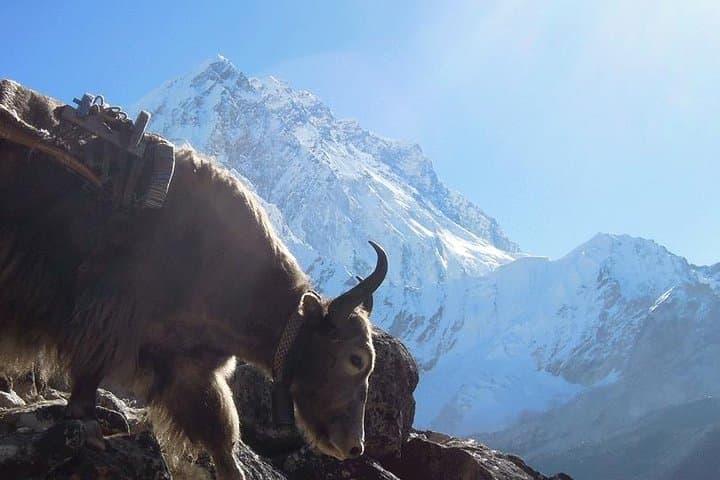
You step off the Lukla flight and the Himalaya demand your attention — wind shaping ridgelines, icefields glinting, and prayer flags snapping like small, stubborn signals in the high air.
Verified experiences and guided adventures in the surrounding area.
Operated by Nepal Treks and Tour · Kathmandu, Bagmati Province
You step off the Lukla flight and the Himalaya demand your attention — wind shaping ridgelines, icefields glinting, and prayer flags snapping like small, stubborn signals in the high air.
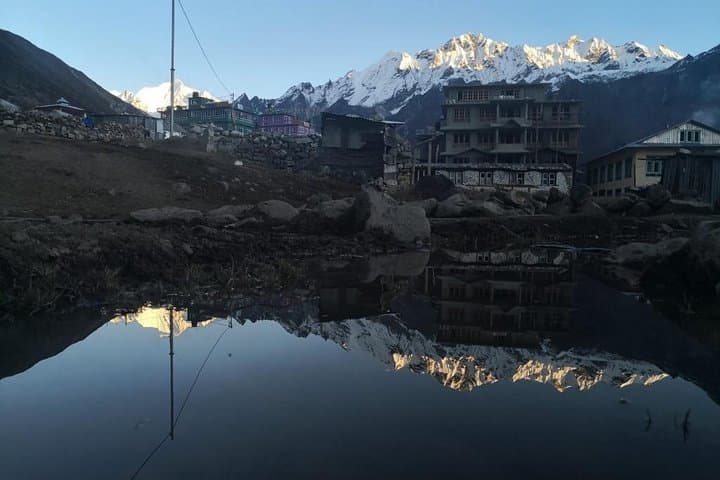
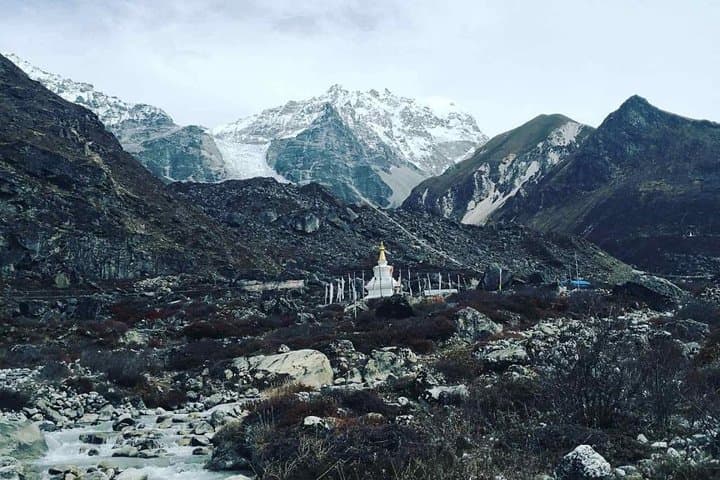
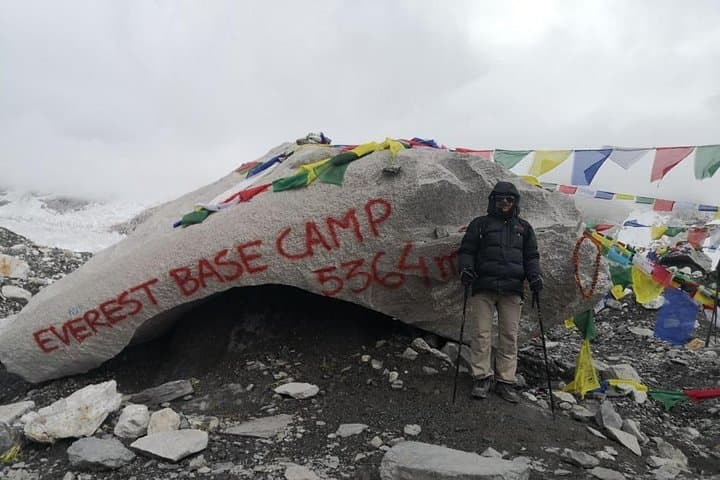
The 16-day trek moves from Kathmandu's valley (1,300m) into the Khumbu: Lukla (2,840m), Namche Bazar (3,440m), Tengboche (3,860m), Dingboche (4,410m), Lobuche (4,910m), Gorakshep (5,140m), and out to Everest Base Camp (5,364m) and Kalapatthar (≈5,545m). Along the way the trail alternates rhododendron and fir forests, steep river valleys, moraine fields and high, cold scree. Geologically this is young Himalayan crust — folded, uplifted and glaciated — so expect loose rock on moraines and hard-packed trails closer to the glaciers.
Culturally the route passes Sherpa villages and monasteries — Tengboche’s gompa is a quiet center of prayer and Himalayan hospitality — and traverses Sagarmatha National Park, a UNESCO-protected landscape with deep mountaineering history tied to Hillary, Norgay and generations of Sherpa climbers.
Practically: the itinerary builds in acclimatization (Namche, Dingboche) and includes teahouse lodging, most meals and guide support. Daily hikes average 4–6 hours, with significant elevation gain on key days (Lukla→Namche, Lobuche→Gorakshep→EBC). Weather and Lukla flights are unpredictable, so allow the spare day in Kathmandu. Hydrate, move slowly on ascent days, and respect altitude symptoms — descending is the surest remedy. Footwear with stiff soles, warm layers for pre-dawn moves, and a lightweight sleeping shell for teahouse nights will keep you moving toward that first view of Everest as the morning light pushes the summit into gold.
challenging.
16 days.
Good cardiovascular fitness and prior multi-day hiking experience recommended; prepare with long uphill hikes and altitude awareness training.
Yes — you need Sagarmatha National Park entry and a TIMS card; your operator usually arranges these before or at the trailhead.
The Lukla flight is short (~30 minutes) but weather-dependent and can be bumpy; delays are common so include buffer days.
Teahouses provide basic rooms with shared or private beds, simple showers for a fee and communal dining; conditions are rustic but adequate for this route.
Spring (Mar–May) and autumn (Sep–Nov) offer the most stable weather and clear mountain views; winter is cold and summer monsoon brings heavy snow and rain.
Sagarmatha National Park was established to protect the unique high-altitude ecosystems and Sherpa cultural sites; the Khumbu region is central to modern mountaineering history.
Visitors should follow park rules, avoid single-use plastics, and use established teahouses to minimize impact; local guides help enforce waste and water treatment practices.
Nepal Treks and Tour operates guided outdoor trips and adventures with an emphasis on safety, stewardship, and memorable experiences.
You step off the Lukla flight and the Himalaya demand your attention — wind shaping ridgelines, icefields glinting, and prayer flags snapping like small, stubborn signals in the high air.
You step off the Lukla flight and the Himalaya demand your attention — wind shaping ridgelines, icefields glinting, and prayer flags snapping like small, stubborn signals in the high air.
The 16-day trek moves from Kathmandu's valley (1,300m) into the Khumbu: Lukla (2,840m), Namche Bazar (3,440m), Tengboche (3,860m), Dingboche (4,410m), Lobuche (4,910m), Gorakshep (5,140m), and out to Everest Base Camp (5,364m) and Kalapatthar (≈5,545m). Along the way the trail alternates rhododendron and fir forests, steep river valleys, moraine fields and high, cold scree. Geologically this is young Himalayan crust — folded, uplifted and glaciated — so expect loose rock on moraines and hard-packed trails closer to the glaciers.
Culturally the route passes Sherpa villages and monasteries — Tengboche’s gompa is a quiet center of prayer and Himalayan hospitality — and traverses Sagarmatha National Park, a UNESCO-protected landscape with deep mountaineering history tied to Hillary, Norgay and generations of Sherpa climbers.
Practically: the itinerary builds in acclimatization (Namche, Dingboche) and includes teahouse lodging, most meals and guide support. Daily hikes average 4–6 hours, with significant elevation gain on key days (Lukla→Namche, Lobuche→Gorakshep→EBC). Weather and Lukla flights are unpredictable, so allow the spare day in Kathmandu. Hydrate, move slowly on ascent days, and respect altitude symptoms — descending is the surest remedy. Footwear with stiff soles, warm layers for pre-dawn moves, and a lightweight sleeping shell for teahouse nights will keep you moving toward that first view of Everest as the morning light pushes the summit into gold.