THE ADVENTURE COLLECTIVE® · Independent discovery and booking for outdoor travel

A 16-day classic through the Khumbu Valley: fly to Lukla, hike with Sherpa guides and acclimatize en route to Everest Base Camp and the sunrise views from Kala Patthar. Expect high passes, rocky moraine, and teahouse hospitality.
A 16-day classic through the Khumbu Valley: fly to Lukla, hike with Sherpa guides and acclimatize en route to Everest Base Camp and the sunrise views from Kala Patthar. Expect high passes, rocky moraine, and teahouse hospitality.
Dawn in Kathmandu smells of diesel and fresh momo steam, then the plane lifts you into a corridor of serrated peaks. The short, dramatic flight to Lukla drops you onto a hillside runway and, within hours, you’re walking alongside the Dudh Koshi, river voices daring you forward as prayer flags snap overhead.
Verified experiences and guided adventures in the surrounding area.
Operated by Vyas Treks & Expedition · Lukla, Province No. 1
Dawn in Kathmandu smells of diesel and fresh momo steam, then the plane lifts you into a corridor of serrated peaks. The short, dramatic flight to Lukla drops you onto a hillside runway and, within hours, you’re walking alongside the Dudh Koshi, river voices daring you forward as prayer flags snap overhead.
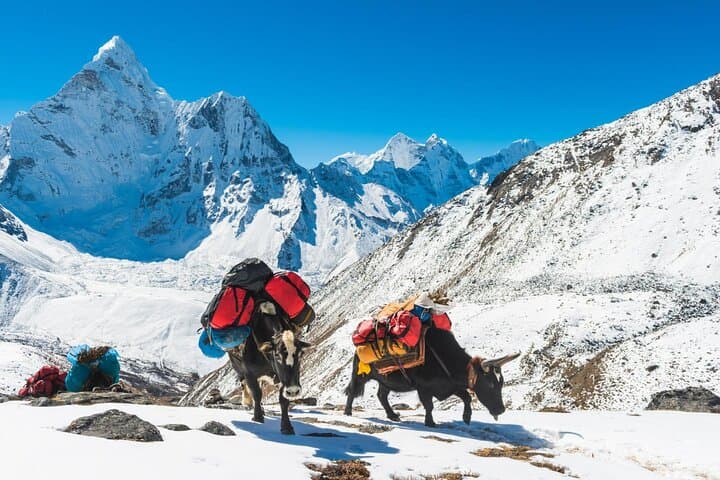
This classic Khumbu circuit threads Sherpa villages, ancient monasteries and the moraine fields of the Khumbu Glacier. The region sits inside Sagarmatha (Everest) National Park, a UNESCO-listed landscape formed by tectonic uplift and sculpted by glacial ice; moraines and glacial lakes mark the geology as much as the stone chortens mark the culture. Tengboche Monastery and Khumjung’s Hillary School tie modern mountaineering history to local religious life.
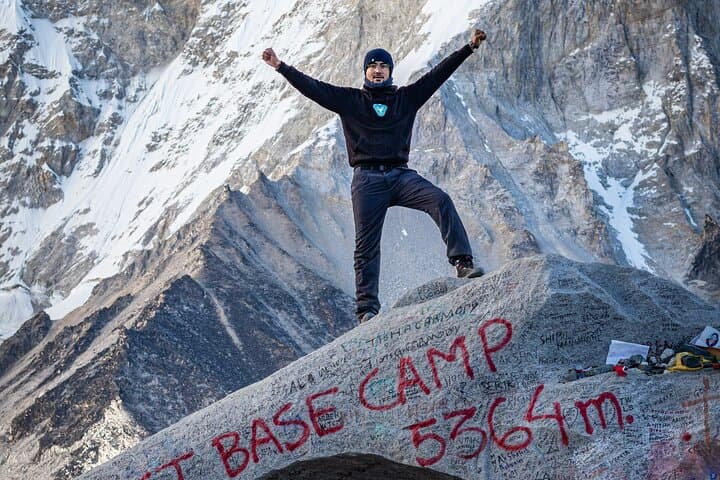
Expect long days on rocky trails: typical stages include Lukla (2,860m) to Phakding (2,651m), steady climbs to Namche Bazaar (3,440m), acclimatization days at Namche and Dingboche (4,360m), then the hard push to Lobuche and Gorak Shep before reaching Everest Base Camp (5,364m) and nearby Kala Patthar (5,545m) for sunrise panoramas.
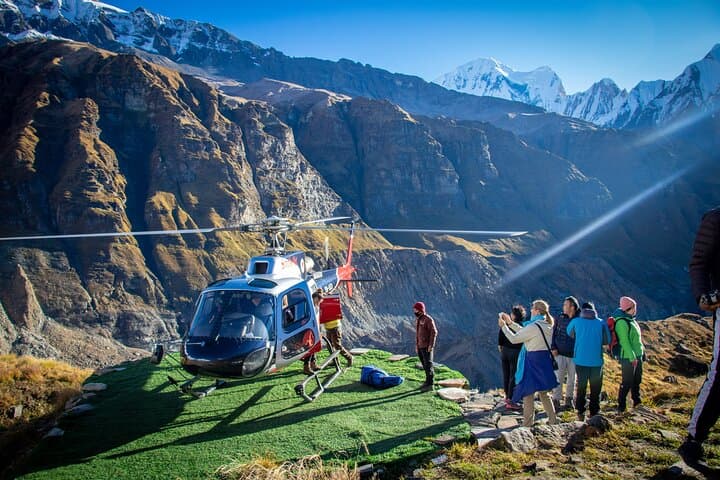
Practical edge: build acclimatization into your schedule, drink often, and carry insulated layers for pre-dawn starts that can dip below -10°C. Trails alternate packed earth, rocky moraine and steep stair sections; good boots and trekking poles make a big difference. Flights to/from Lukla are weather dependent—allow buffer days and pack patience. The trek rewards persistence with uncompromising mountain views and a close encounter with Sherpa hospitality.
challenging.
16 days.
Good aerobic fitness with prior multi-day hiking experience; ability to carry a daypack and handle 5–7 hour walking days at altitude.
The classic EBC route requires endurance and good fitness but no technical climbing skills; the main challenge is altitude—acclimatization days are built in to reduce risk.
Spring (Mar–May) and fall (Sept–Nov) offer the most stable weather and clear views; monsoon brings cloud and washouts, and winter is very cold with limited services.
Yes—symptoms include headache, nausea and breathlessness; descend immediately if symptoms worsen, and guides may use pulse oximeters and portable oxygen or evacuate if necessary.
Teahouses provide basic rooms, hot meals, and common eating areas; heating and hot water can be limited at higher altitudes, so a warm sleeping bag is recommended.
The Khumbu has long been home to Sherpa communities and was formalized as Sagarmatha National Park in 1979; mountaineering history here links local culture with global expeditions.
Trekkers enter a fragile high‑altitude ecosystem—pack out waste where possible, use designated toilet facilities, and support lodges following waste‑management and energy‑saving practices.
Vyas Treks & Expedition operates guided outdoor trips and adventures with an emphasis on safety, stewardship, and memorable experiences.
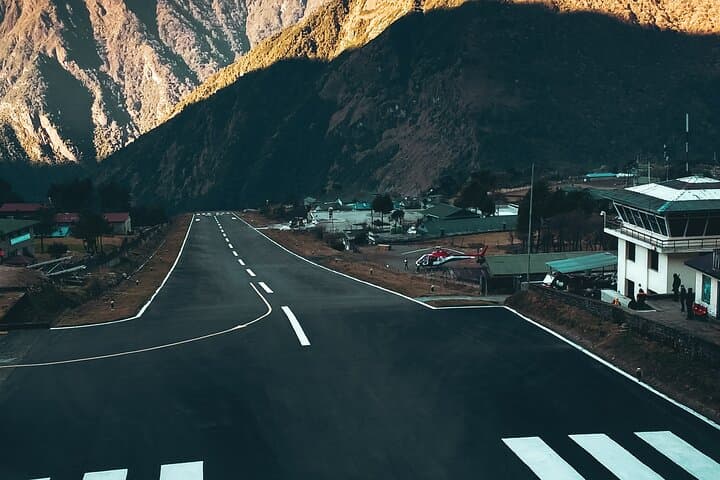
Dawn in Kathmandu smells of diesel and fresh momo steam, then the plane lifts you into a corridor of serrated peaks. The short, dramatic flight to Lukla drops you onto a hillside runway and, within hours, you’re walking alongside the Dudh Koshi, river voices daring you forward as prayer flags snap overhead.
Dawn in Kathmandu smells of diesel and fresh momo steam, then the plane lifts you into a corridor of serrated peaks. The short, dramatic flight to Lukla drops you onto a hillside runway and, within hours, you’re walking alongside the Dudh Koshi, river voices daring you forward as prayer flags snap overhead.
This classic Khumbu circuit threads Sherpa villages, ancient monasteries and the moraine fields of the Khumbu Glacier. The region sits inside Sagarmatha (Everest) National Park, a UNESCO-listed landscape formed by tectonic uplift and sculpted by glacial ice; moraines and glacial lakes mark the geology as much as the stone chortens mark the culture. Tengboche Monastery and Khumjung’s Hillary School tie modern mountaineering history to local religious life.
Expect long days on rocky trails: typical stages include Lukla (2,860m) to Phakding (2,651m), steady climbs to Namche Bazaar (3,440m), acclimatization days at Namche and Dingboche (4,360m), then the hard push to Lobuche and Gorak Shep before reaching Everest Base Camp (5,364m) and nearby Kala Patthar (5,545m) for sunrise panoramas.
Practical edge: build acclimatization into your schedule, drink often, and carry insulated layers for pre-dawn starts that can dip below -10°C. Trails alternate packed earth, rocky moraine and steep stair sections; good boots and trekking poles make a big difference. Flights to/from Lukla are weather dependent—allow buffer days and pack patience. The trek rewards persistence with uncompromising mountain views and a close encounter with Sherpa hospitality.