THE ADVENTURE COLLECTIVE® · Independent discovery and booking for outdoor travel

This 15–16 day trek moves from Kathmandu through Lukla and Namche Bazaar to Everest Base Camp and Kala Patthar. Expect long days, high-altitude acclimatization, Sherpa villages, and dramatic glacier-carved panoramas.
This 15–16 day trek moves from Kathmandu through Lukla and Namche Bazaar to Everest Base Camp and Kala Patthar. Expect long days, high-altitude acclimatization, Sherpa villages, and dramatic glacier-carved panoramas.
Dawn finds you on a small plane banking over terraced valleys, the Himalaya sharpening into serrated teeth as you approach Lukla; by evening you’re moving on a mule-scoured trail under prayer flags toward Namche Bazaar. The route threads pine forests, rhododendron slopes and glacial valleys, each day lifting you higher into the cold, thin air until the moraine plain at Gorak Shep offers your first unobstructed view of the Khumbu Icefall.
Verified experiences and guided adventures in the surrounding area.
Operated by Pariwar Holidays Pvt Ltd · Lukla, Province No. 1
Dawn finds you on a small plane banking over terraced valleys, the Himalaya sharpening into serrated teeth as you approach Lukla; by evening you’re moving on a mule-scoured trail under prayer flags toward Namche Bazaar. The route threads pine forests, rhododendron slopes and glacial valleys, each day lifting you higher into the cold, thin air until the moraine plain at Gorak Shep offers your first unobstructed view of the Khumbu Icefall.
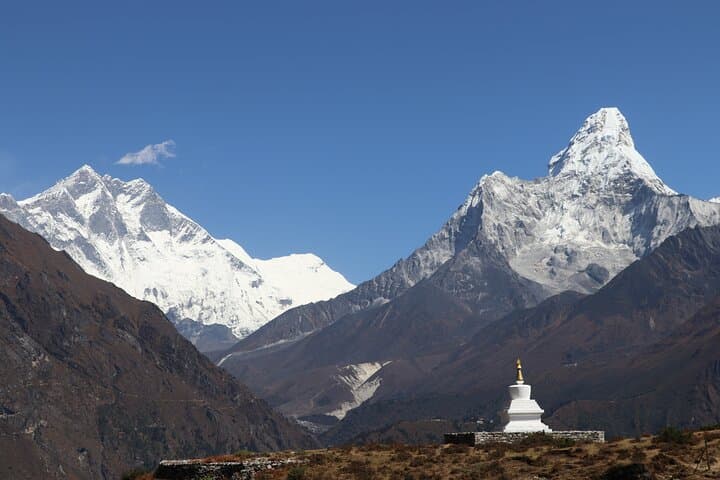
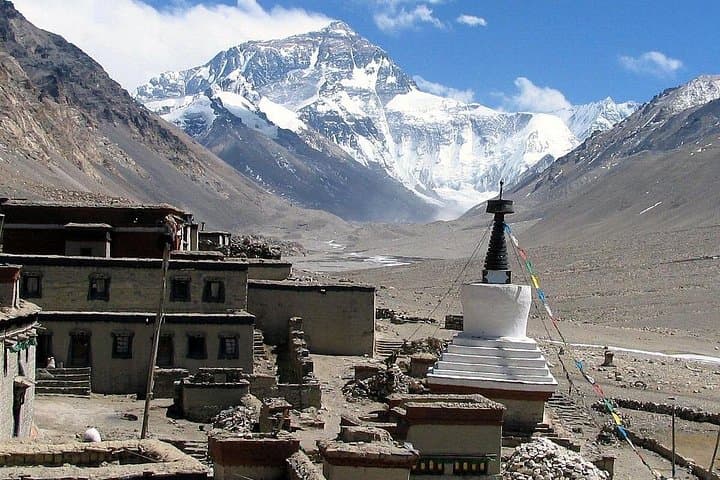
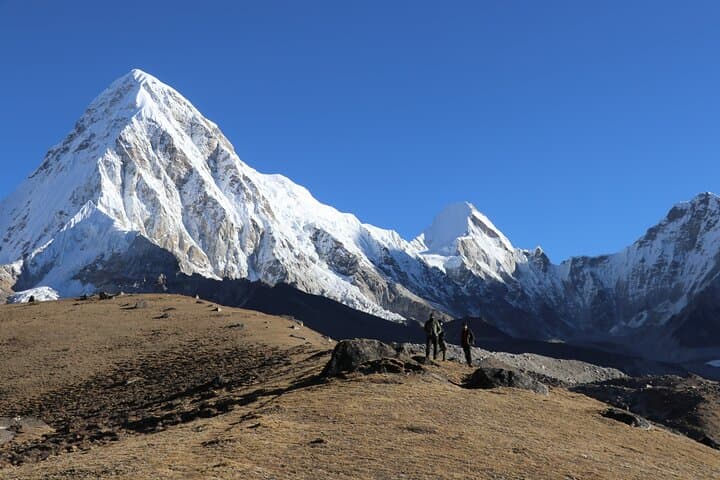
This route follows paths used by Sherpa communities for generations and by Hillary and Tenzing on their approach to Everest. Geologically, you’re walking on uplifted continental crust carved by glaciers; jagged peaks like Ama Dablam and Pumori rise from cirques and hanging valleys, while Sagarmatha National Park protects high-altitude ecosystems and cultural sites such as Khumjung and Tengboche monasteries.
Expect long days of steady uphill with intermittent flat stretches—typical daily hiking is 4–6 hours with a few 7–8 hour pushes, especially the summit-day-style walks to Everest Base Camp and Kala Patthar. Altitude, not technical terrain, is the primary challenge: acclimatization days in Namche and Dingboche are built in for that reason.
Practically, pack for wide temperature swings—sun-baked afternoons and subzero nights—carry a certified sleeping bag for lodge stays, and use trekking poles to reduce strain on knees and lungs. Start fitness prep with multi-hour hikes carrying 8–12 kg, practice breathing at elevation if possible, and schedule flights with early-morning windows (Lukla flights are weather-dependent). Permits and Sagarmatha entry checks are routine; travel with photocopies of documents and respect local waste rules.
The trek is an exercise in patient ascent: move slow, hydrate, monitor your body, and the summit views will reward disciplined pacing.
challenging.
15–16 days.
Good cardio and leg strength; able to hike 4–8 hours per day with a light pack and tolerate prolonged exposure to high altitude
No—EBC is a trekking route requiring fitness and altitude acclimatization; no technical mountaineering gear or rope work is needed for the main trail.
Lukla flights are weather-dependent and often scheduled early; delays can occur, so allow flexibility and expect early-morning check-ins or alternative road transfers to Manthali/Ramechhap when required.
You need the Sagarmatha National Park permit and TIMS card; these are typically arranged through the operator and checked at Monjo and other entry points.
Ascend slowly, hydrate, avoid alcohol, monitor symptoms daily, and use scheduled acclimatization days; consider consulting a physician about prophylactic medication like acetazolamide.
The track crosses traditional Sherpa villages and paths used for centuries and mirrors the approach taken by Sir Edmund Hillary and Tenzing Norgay in early Everest exploration.
This route runs through Sagarmatha National Park—respect permit rules, pack out waste when possible, and minimize use of single-use plastics to protect fragile high-altitude environments.
Pariwar Holidays Pvt Ltd operates guided outdoor trips and adventures with an emphasis on safety, stewardship, and memorable experiences.
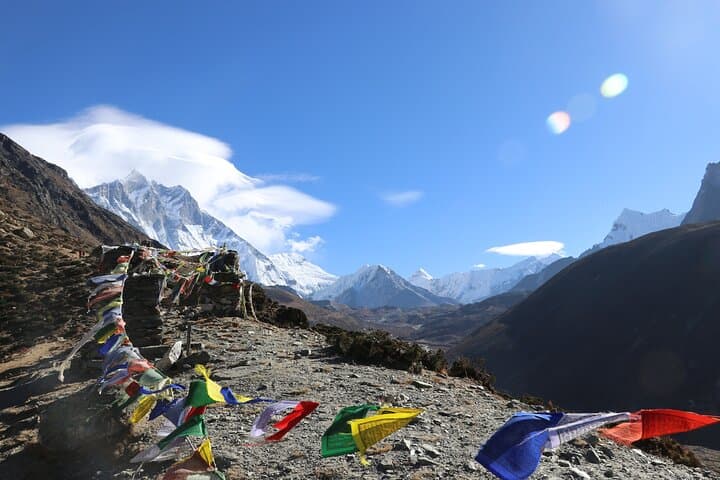
Dawn finds you on a small plane banking over terraced valleys, the Himalaya sharpening into serrated teeth as you approach Lukla; by evening you’re moving on a mule-scoured trail under prayer flags toward Namche Bazaar. The route threads pine forests, rhododendron slopes and glacial valleys, each day lifting you higher into the cold, thin air until the moraine plain at Gorak Shep offers your first unobstructed view of the Khumbu Icefall.
Dawn finds you on a small plane banking over terraced valleys, the Himalaya sharpening into serrated teeth as you approach Lukla; by evening you’re moving on a mule-scoured trail under prayer flags toward Namche Bazaar. The route threads pine forests, rhododendron slopes and glacial valleys, each day lifting you higher into the cold, thin air until the moraine plain at Gorak Shep offers your first unobstructed view of the Khumbu Icefall.
This route follows paths used by Sherpa communities for generations and by Hillary and Tenzing on their approach to Everest. Geologically, you’re walking on uplifted continental crust carved by glaciers; jagged peaks like Ama Dablam and Pumori rise from cirques and hanging valleys, while Sagarmatha National Park protects high-altitude ecosystems and cultural sites such as Khumjung and Tengboche monasteries.
Expect long days of steady uphill with intermittent flat stretches—typical daily hiking is 4–6 hours with a few 7–8 hour pushes, especially the summit-day-style walks to Everest Base Camp and Kala Patthar. Altitude, not technical terrain, is the primary challenge: acclimatization days in Namche and Dingboche are built in for that reason.
Practically, pack for wide temperature swings—sun-baked afternoons and subzero nights—carry a certified sleeping bag for lodge stays, and use trekking poles to reduce strain on knees and lungs. Start fitness prep with multi-hour hikes carrying 8–12 kg, practice breathing at elevation if possible, and schedule flights with early-morning windows (Lukla flights are weather-dependent). Permits and Sagarmatha entry checks are routine; travel with photocopies of documents and respect local waste rules.
The trek is an exercise in patient ascent: move slow, hydrate, monitor your body, and the summit views will reward disciplined pacing.