THE ADVENTURE COLLECTIVE® · Independent discovery and booking for outdoor travel

A 16-day approach from Lukla to Everest Base Camp threads through Sherpa villages, moraine fields and high mountain air. Read on for what to expect, key logistics, and how to prepare for altitude, terrain and weather.
A 16-day approach from Lukla to Everest Base Camp threads through Sherpa villages, moraine fields and high mountain air. Read on for what to expect, key logistics, and how to prepare for altitude, terrain and weather.
The trail opens before dawn: prayer flags snap at the edge of Lukla’s airstrip, and a thin ribbon of trail climbs through rhododendron and birch toward Namche Bazaar. As the valley widens the Dudh Koshi river keeps time, pushing trekkers forward while peaks like Ama Dablam and Pumori step into clearer light. By the time Kala Patthar’s ridge is reached, the high mountains present themselves with hard clarity — faces of ice, blue-gray seracs, and the black spine of ridgelines.
Verified experiences and guided adventures in the surrounding area.
Operated by The Great Adventure Treks & Expedition - Private Day Tours · Lukla, Province No. 1
The trail opens before dawn: prayer flags snap at the edge of Lukla’s airstrip, and a thin ribbon of trail climbs through rhododendron and birch toward Namche Bazaar. As the valley widens the Dudh Koshi river keeps time, pushing trekkers forward while peaks like Ama Dablam and Pumori step into clearer light. By the time Kala Patthar’s ridge is reached, the high mountains present themselves with hard clarity — faces of ice, blue-gray seracs, and the black spine of ridgelines.
This route follows paths long used by Sherpa traders and pilgrims; Sagarmatha National Park (a UNESCO site since 1979) protects both wildlife and the highland culture. Geologically the circuit skirts moraines and recent glacial outwash from the Khumbu Icefall, so expect mixed stone, moraine silt, and packed yak trails. Local villages center on lodges and monasteries where altitude, tea and stoic hospitality shape daily life.
Practical guidance: the itinerary is typically 14–16 days from Lukla with cumulative elevation gain near 2,500–2,700 m (Lukla ~2,860 m to EBC ~5,364 m). Acclimatize with rest days in Namche Bazaar and ascend conservatively. Footwear should be stiff-soled, waterproof boots; layers and a reliable down jacket are mandatory at higher camps. Hydration, a slow pace, and awareness of Acute Mountain Sickness (AMS) determine success more than speed. Services along the trail are basic—carry cash, spare batteries, and a credit of patience. Weather windows in spring and fall are best for views; the monsoon softens trails and winter brings serious cold and limited teahouse options. Expect long walking days, simple lodgings, and unforgettable, uncompromising mountain scenery.
challenging.
14–16 days.
Good aerobic fitness with prior multi-day hikes; ability to walk 6–8 hours on uneven terrain at altitude.
Typical itineraries run 14–16 days from Lukla with sustained climbs to 5,364 m; it is physically demanding due to altitude rather than technical terrain.
Spring (March–May) and fall (September–November) offer the most stable weather and best visibility; monsoon makes trails muddy and winter is very cold with limited services.
Yes—permits (Sagarmatha National Park and TIMS) are required, and hiring a registered guide or agency is strongly recommended for logistics and safety.
AMS is a real risk; ascend slowly, hydrate, include rest days, and descend immediately if symptoms worsen; medication may be advised by a physician.
The Khumbu valley has long been inhabited by Sherpa communities who developed the trade and pilgrimage routes; Sagarmatha National Park preserves both the landscape and cultural heritage.
Trekkers should follow leave-no-trace practices: pack out waste, minimize single-use plastics, and support certified lodges; the region's glacial systems are sensitive to climate change.
The Great Adventure Treks & Expedition - Private Day Tours operates guided outdoor trips and adventures with an emphasis on safety, stewardship, and memorable experiences.
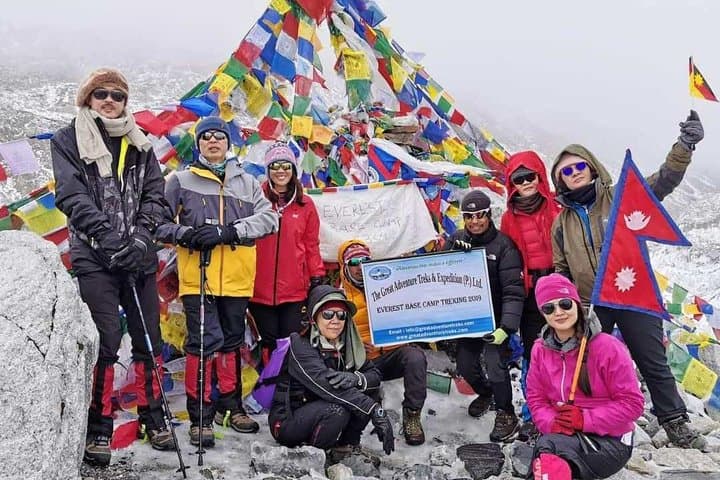
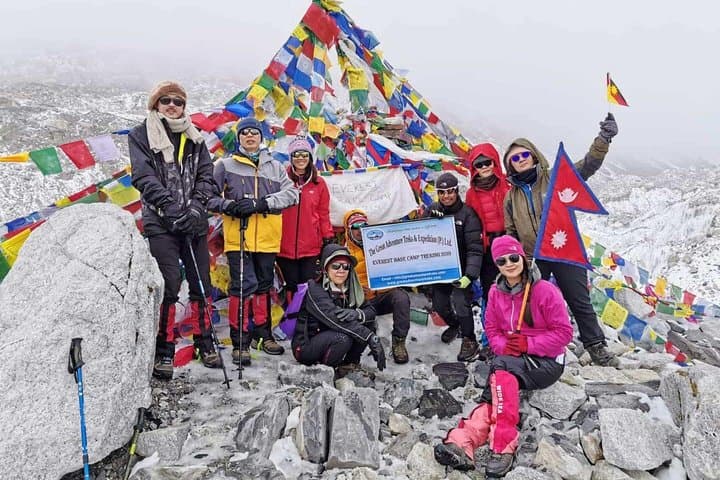
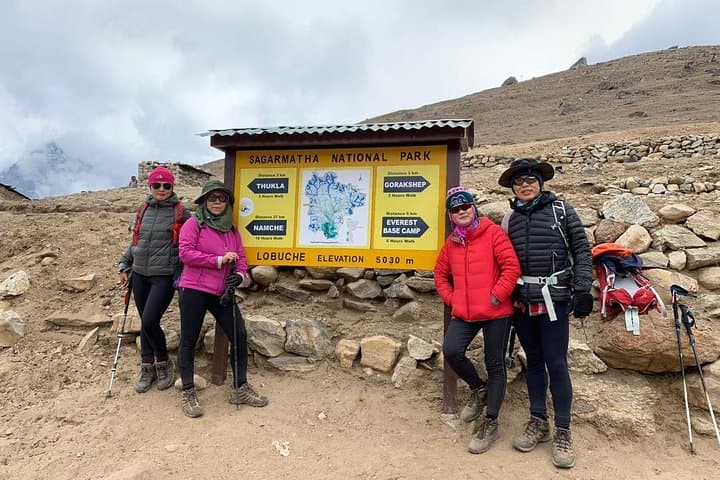
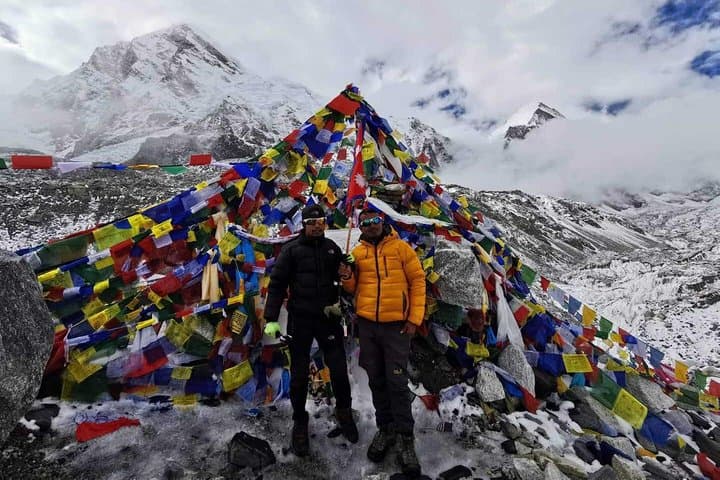
The trail opens before dawn: prayer flags snap at the edge of Lukla’s airstrip, and a thin ribbon of trail climbs through rhododendron and birch toward Namche Bazaar. As the valley widens the Dudh Koshi river keeps time, pushing trekkers forward while peaks like Ama Dablam and Pumori step into clearer light. By the time Kala Patthar’s ridge is reached, the high mountains present themselves with hard clarity — faces of ice, blue-gray seracs, and the black spine of ridgelines.
The trail opens before dawn: prayer flags snap at the edge of Lukla’s airstrip, and a thin ribbon of trail climbs through rhododendron and birch toward Namche Bazaar. As the valley widens the Dudh Koshi river keeps time, pushing trekkers forward while peaks like Ama Dablam and Pumori step into clearer light. By the time Kala Patthar’s ridge is reached, the high mountains present themselves with hard clarity — faces of ice, blue-gray seracs, and the black spine of ridgelines.
This route follows paths long used by Sherpa traders and pilgrims; Sagarmatha National Park (a UNESCO site since 1979) protects both wildlife and the highland culture. Geologically the circuit skirts moraines and recent glacial outwash from the Khumbu Icefall, so expect mixed stone, moraine silt, and packed yak trails. Local villages center on lodges and monasteries where altitude, tea and stoic hospitality shape daily life.
Practical guidance: the itinerary is typically 14–16 days from Lukla with cumulative elevation gain near 2,500–2,700 m (Lukla ~2,860 m to EBC ~5,364 m). Acclimatize with rest days in Namche Bazaar and ascend conservatively. Footwear should be stiff-soled, waterproof boots; layers and a reliable down jacket are mandatory at higher camps. Hydration, a slow pace, and awareness of Acute Mountain Sickness (AMS) determine success more than speed. Services along the trail are basic—carry cash, spare batteries, and a credit of patience. Weather windows in spring and fall are best for views; the monsoon softens trails and winter brings serious cold and limited teahouse options. Expect long walking days, simple lodgings, and unforgettable, uncompromising mountain scenery.