THE ADVENTURE COLLECTIVE® · Independent discovery and booking for outdoor travel

A detailed look at the classic 15-day Everest Base Camp trek from Lukla to EBC—what to expect on the trail, cultural highlights, terrain specifics and practical preparation tips for high-altitude trekking.
A detailed look at the classic 15-day Everest Base Camp trek from Lukla to EBC—what to expect on the trail, cultural highlights, terrain specifics and practical preparation tips for high-altitude trekking.
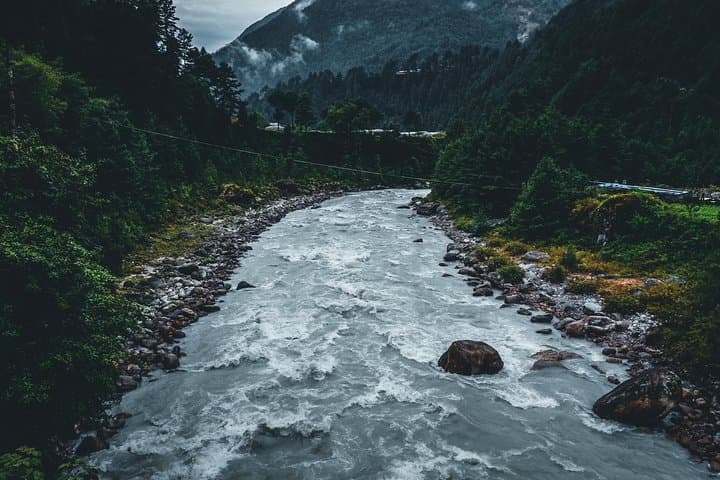
The trail opens with the thin roar of a morning in Lukla—planes threading the valley, prayer flags flicking like colors on a map. Step by step the forest thins, the Dudh Koshi river dares you onward, and the trail climbs through stone steps and rhododendron slopes toward Namche Bazaar, where sherpa life and expedition lore trade places on a sun-dried rooftop.
Verified experiences and guided adventures in the surrounding area.
Operated by Adventure Vision Treks and Travels · Kathmandu, Bagmati Province
The trail opens with the thin roar of a morning in Lukla—planes threading the valley, prayer flags flicking like colors on a map. Step by step the forest thins, the Dudh Koshi river dares you onward, and the trail climbs through stone steps and rhododendron slopes toward Namche Bazaar, where sherpa life and expedition lore trade places on a sun-dried rooftop.
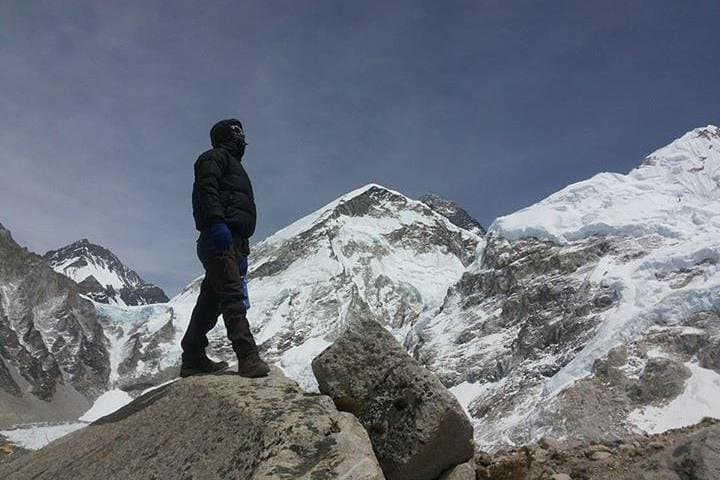
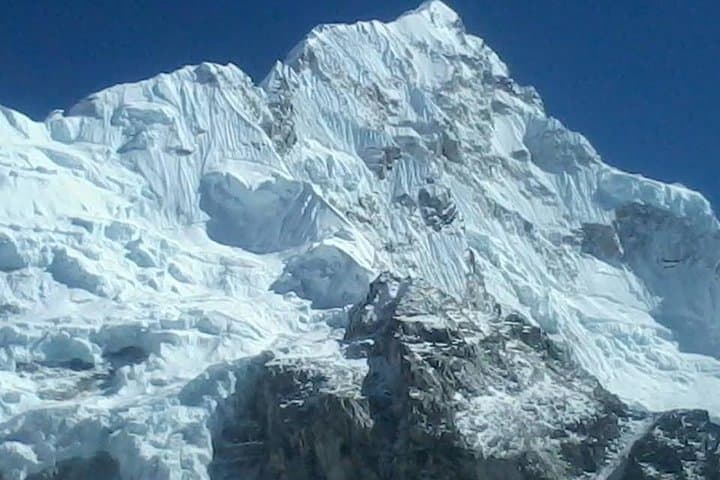
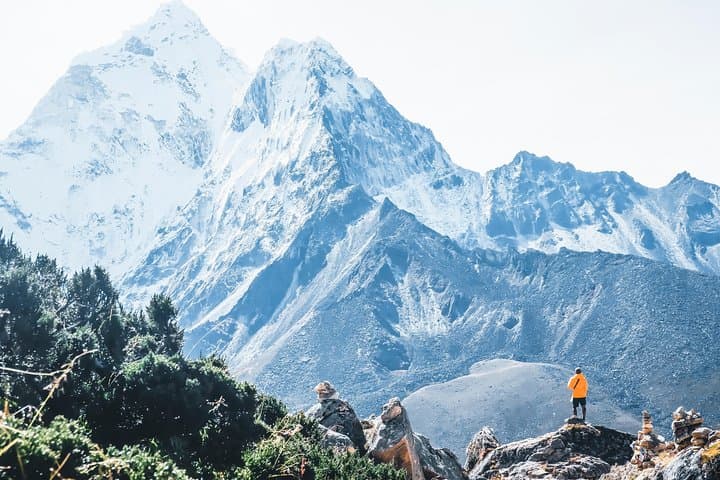
This is a route carved by tectonics: the young Himalayan range heaves skyward here, glaciers grinding moraine and leaving sharp ridgelines. Mountaineering history hangs in every teahouse—Hillary and Tenzing’s 1953 ascent shifted global attention, and the Sherpa culture that supports modern expeditions is visible in monasteries, mani walls, and yaks bearing loads. Geology and culture collide at Tengboche Monastery, where prayer wheels spin beneath the Annapurna and Everest massif.
Practical edge: the trek is roughly 65 km one-way from Lukla to Everest Base Camp (about 130 km round trip) with net elevation gain around 2,500 m (Lukla 2,840 m to EBC ~5,364 m). Expect rocky trails, moraine fields near Gorak Shep, and a short, steep scramble to Kala Patthar for sunrise views. Tea-house accommodation is basic—hot meals for energy, limited electricity and cash-only stalls above Namche.
Prepare with staged acclimatization days (Namche, Dingboche), a reliable down jacket, sturdy waterproof boots, and a lightweight sleeping bag rated to -10°C or lower. Hydrate diligently, watch for acute mountain sickness symptoms, and book Lukla flights early—weather can rearrange the schedule. Guides and porters make altitude easier and support local economies; leave no trace and respect Sagarmatha National Park regulations to keep these trails open for the next wave of trekkers.
challenging.
12–15 days (itinerary here 15 days).
Good aerobic fitness with experience on multi-day hikes and strong acclimatization tolerance
Yes—trekkers need the Sagarmatha National Park permit and a TIMS card; these are typically arranged through your operator or can be obtained in Kathmandu.
AMS is a real risk above 3,000–4,000 m; the route includes acclimatization days to reduce risk, but monitor symptoms, descend if they worsen, and carry medication like acetazolamide if advised by a physician.
Fall (Sep–Nov) and spring (Mar–May) offer the clearest weather and best views; monsoon season brings clouds and washouts, winter is cold but can have stable skies and fewer services.
Lukla flights are scenic but weather-dependent; plan buffer days in Kathmandu, travel insurance for delays, and pack layers in your carry-on in case of overnight stays.
The trail runs through Sagarmatha National Park, home to Sherpa communities who have supported Himalayan mountaineering since the mid-20th century and gained global attention after the 1953 Everest ascent.
Sagarmatha National Park is a UNESCO World Heritage site; practice pack-in/pack-out, support local lodges and avoid single-use plastics to reduce impact.
Adventure Vision Treks and Travels operates guided outdoor trips and adventures with an emphasis on safety, stewardship, and memorable experiences.
The trail opens with the thin roar of a morning in Lukla—planes threading the valley, prayer flags flicking like colors on a map. Step by step the forest thins, the Dudh Koshi river dares you onward, and the trail climbs through stone steps and rhododendron slopes toward Namche Bazaar, where sherpa life and expedition lore trade places on a sun-dried rooftop.
The trail opens with the thin roar of a morning in Lukla—planes threading the valley, prayer flags flicking like colors on a map. Step by step the forest thins, the Dudh Koshi river dares you onward, and the trail climbs through stone steps and rhododendron slopes toward Namche Bazaar, where sherpa life and expedition lore trade places on a sun-dried rooftop.
This is a route carved by tectonics: the young Himalayan range heaves skyward here, glaciers grinding moraine and leaving sharp ridgelines. Mountaineering history hangs in every teahouse—Hillary and Tenzing’s 1953 ascent shifted global attention, and the Sherpa culture that supports modern expeditions is visible in monasteries, mani walls, and yaks bearing loads. Geology and culture collide at Tengboche Monastery, where prayer wheels spin beneath the Annapurna and Everest massif.
Practical edge: the trek is roughly 65 km one-way from Lukla to Everest Base Camp (about 130 km round trip) with net elevation gain around 2,500 m (Lukla 2,840 m to EBC ~5,364 m). Expect rocky trails, moraine fields near Gorak Shep, and a short, steep scramble to Kala Patthar for sunrise views. Tea-house accommodation is basic—hot meals for energy, limited electricity and cash-only stalls above Namche.
Prepare with staged acclimatization days (Namche, Dingboche), a reliable down jacket, sturdy waterproof boots, and a lightweight sleeping bag rated to -10°C or lower. Hydrate diligently, watch for acute mountain sickness symptoms, and book Lukla flights early—weather can rearrange the schedule. Guides and porters make altitude easier and support local economies; leave no trace and respect Sagarmatha National Park regulations to keep these trails open for the next wave of trekkers.