THE ADVENTURE COLLECTIVE® · Independent discovery and booking for outdoor travel

A classic high-altitude trek through the Khumbu, the Everest Base Camp route combines glacier-sculpted landscapes, Sherpa culture, and close views of the world’s highest peaks. This practical 15-day guide covers what to expect, permits, and how to prepare for altitude and weather delays.
A classic high-altitude trek through the Khumbu, the Everest Base Camp route combines glacier-sculpted landscapes, Sherpa culture, and close views of the world’s highest peaks. This practical 15-day guide covers what to expect, permits, and how to prepare for altitude and weather delays.
You step off the small Twin Otter at Lukla and the wind seems to welcome you—cold, gusting, insistent. From the airstrip the trail folds into the Dudh Kosi valley: prayer flags snap like bright promises, mani walls mark the route, and the peaks above begin to shape the day. Each day the mountains push closer; by Kalapathar the skyline feels as if it could reach down and touch you.
Verified experiences and guided adventures in the surrounding area.
Operated by Shankar Pandey · Lukla, Solukhumbu
You step off the small Twin Otter at Lukla and the wind seems to welcome you—cold, gusting, insistent. From the airstrip the trail folds into the Dudh Kosi valley: prayer flags snap like bright promises, mani walls mark the route, and the peaks above begin to shape the day. Each day the mountains push closer; by Kalapathar the skyline feels as if it could reach down and touch you.
The Khumbu has long been home to Sherpa communities whose trade in salt and later support for mountaineering shaped the region. Geologically, the route traces a young Himalayan spine—glacial moraines, steep ridgelines and the jagged teeth of ice-carved peaks. Cultural high points include Tengboche monastery and Namche Bazar’s market rhythms; both are as much part of the trek as the switchbacks.
The logistics are straightforward but strict: plan on 12–15 days from Lukla with deliberate acclimatization stops in Namche and Dingboche; total elevation gain from Lukla (≈2,860 m) to Everest Base Camp (5,364 m) is roughly 2,500 m over rocky, sometimes icy terrain and suspension-bridge river crossings. Permits (Sagarmatha National Park entry and TIMS) are required; flights to/from Lukla are weather-dependent and often the most fragile link.
Practical tips—use a lightweight porter, stick to the acclimatization schedule, carry a reliable down layer and water purification, and budget extra days for weather delays. The trek is physically demanding at altitude but richly rewarding: glacier-scored landscapes, Sherpa hospitality, and close-up views of Everest and its neighboring giants.
challenging.
12–15 days.
Good cardiovascular fitness and experience with multi-day hiking at altitude; expect long days on uneven terrain.
Yes—Sagarmatha National Park entry permit and a TIMS card are required; your operator usually arranges these before or at Lukla.
Spring (March–May) and autumn (late Sept–Nov) offer the best visibility and stable weather; winter is colder and summer monsoon brings heavy rain and cloud.
Difficulty comes from altitude rather than technical terrain; allow proper acclimatization and watch for AMS symptoms—descend immediately if severe.
Yes—local guides and porters are standard, improve safety and comfort, and help distribute income in the Khumbu communities.
The Khumbu became internationally known after the 1953 ascent of Everest by Sir Edmund Hillary and Tenzing Norgay; Sherpa communities played and continue to play central roles in Himalayan climbing and logistics.
The trek passes through Sagarmatha National Park—permit fees fund conservation; minimize impact by carrying out waste, using local services, and following park rules.
Shankar Pandey operates guided outdoor trips and adventures with an emphasis on safety, stewardship, and memorable experiences.
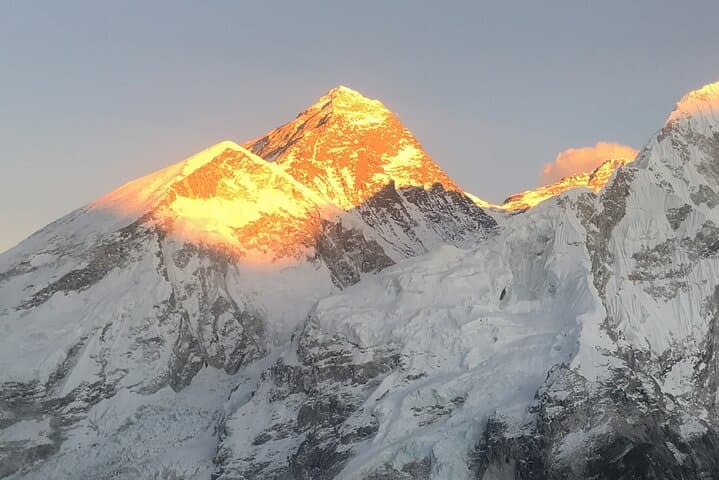
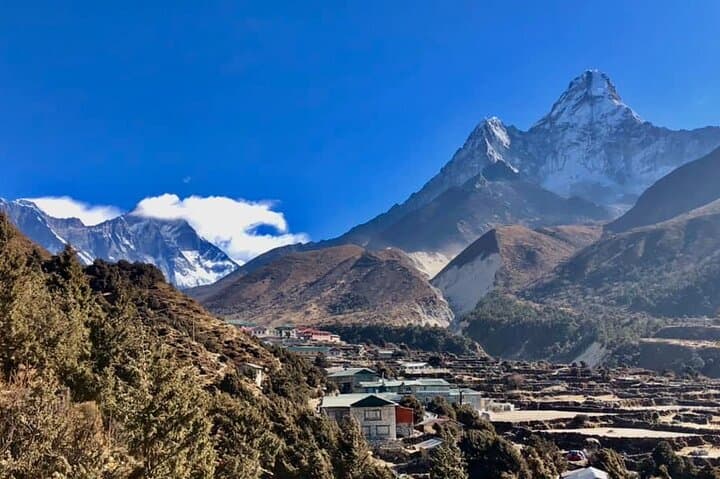
You step off the small Twin Otter at Lukla and the wind seems to welcome you—cold, gusting, insistent. From the airstrip the trail folds into the Dudh Kosi valley: prayer flags snap like bright promises, mani walls mark the route, and the peaks above begin to shape the day. Each day the mountains push closer; by Kalapathar the skyline feels as if it could reach down and touch you.
You step off the small Twin Otter at Lukla and the wind seems to welcome you—cold, gusting, insistent. From the airstrip the trail folds into the Dudh Kosi valley: prayer flags snap like bright promises, mani walls mark the route, and the peaks above begin to shape the day. Each day the mountains push closer; by Kalapathar the skyline feels as if it could reach down and touch you.
The Khumbu has long been home to Sherpa communities whose trade in salt and later support for mountaineering shaped the region. Geologically, the route traces a young Himalayan spine—glacial moraines, steep ridgelines and the jagged teeth of ice-carved peaks. Cultural high points include Tengboche monastery and Namche Bazar’s market rhythms; both are as much part of the trek as the switchbacks.
The logistics are straightforward but strict: plan on 12–15 days from Lukla with deliberate acclimatization stops in Namche and Dingboche; total elevation gain from Lukla (≈2,860 m) to Everest Base Camp (5,364 m) is roughly 2,500 m over rocky, sometimes icy terrain and suspension-bridge river crossings. Permits (Sagarmatha National Park entry and TIMS) are required; flights to/from Lukla are weather-dependent and often the most fragile link.
Practical tips—use a lightweight porter, stick to the acclimatization schedule, carry a reliable down layer and water purification, and budget extra days for weather delays. The trek is physically demanding at altitude but richly rewarding: glacier-scored landscapes, Sherpa hospitality, and close-up views of Everest and its neighboring giants.