THE ADVENTURE COLLECTIVE® · Independent discovery and booking for outdoor travel

A 15-day guided trek from Kathmandu to Everest Base Camp, this classic route winds through Sherpa villages, glacial valleys and high alpine passes. Prepare for sustained altitude, long days on rough terrain and unforgettable Himalayan panoramas.
A 15-day guided trek from Kathmandu to Everest Base Camp, this classic route winds through Sherpa villages, glacial valleys and high alpine passes. Prepare for sustained altitude, long days on rough terrain and unforgettable Himalayan panoramas.
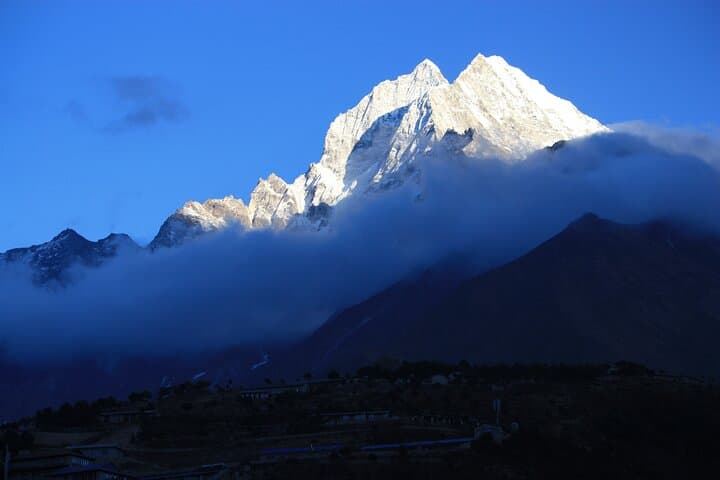
The morning air in Kathmandu tastes of diesel and incense; by day two the wind smells of pine and crushed stone. You step onto a trail braided with prayer flags and the low murmur of the Dudh Kosi, and the mountains begin to grow—first as a distant white line, then as walls, then as a presence that rearranges your breathing.
Verified experiences and guided adventures in the surrounding area.
Operated by Liberty Holidays · Lukla, Province No. 1
The morning air in Kathmandu tastes of diesel and incense; by day two the wind smells of pine and crushed stone. You step onto a trail braided with prayer flags and the low murmur of the Dudh Kosi, and the mountains begin to grow—first as a distant white line, then as walls, then as a presence that rearranges your breathing.
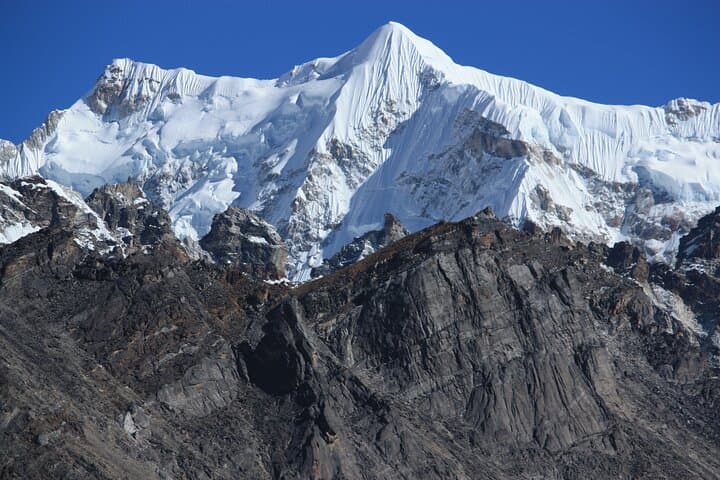
This 15-day route follows the classic Lukla–Namche–Tengboche corridor, traversing river gorges, suspension bridges, rhododendron forests and high alpine moraine. Geologically, the Khumbu is young: sharp glacial cirques, moraines and exposed schist tell a story of uplift and grinding ice. Culturally, Sherpa villages and Tengboche Monastery punctuate the trail—places where daily life and high-altitude faith intersect, and where tea-house hospitality keeps trekkers moving.
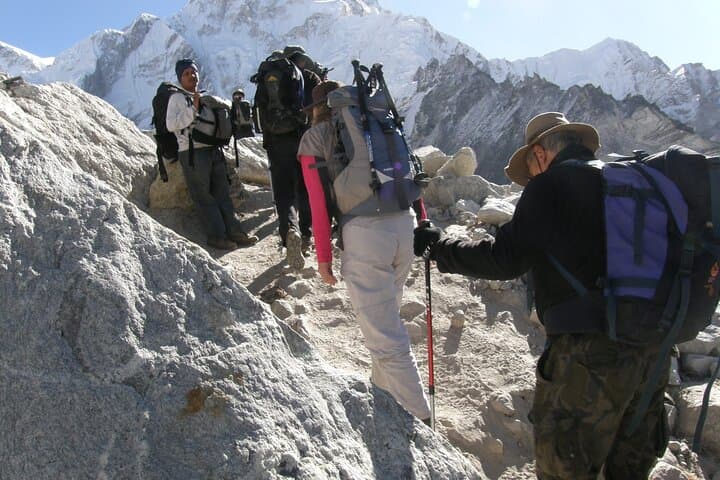
Expect steep ascents, high passes of thin air and days above 4,000 m; the itinerary builds acclimatization days in Namche and Dingboche for safety. Weather flips fast—sunny mornings can yield fierce katabatic winds by afternoon, and trails to Gorak Shep and EBC cross loose moraine and compacted snow.
Practical guidance: train with long uphill hikes and weighted daypacks, plan for 4–6 hours on several trek days, and prioritize slow ascent to minimize altitude risk. Bring layered clothing, reliable trekking boots, and water treatment; hydrate often and monitor symptoms of AMS. Early morning flights to/from Lukla are weather-dependent—allow buffer days in Kathmandu. When you reach Gorak Shep and stand below the ice and stone of Everest’s lower slopes, the accomplishment is quiet but unmistakable.
challenging.
15 days.
Requires very good aerobic fitness and experience with multi-day hiking; train with long uphill hikes and weighted packs.
No—this is a trekking route, not a technical climb; no rope or ice-axe skills are required to reach EBC itself.
South Everest Base Camp is approximately 5,364 m (17,598 ft); you will reach elevations above 5,000 m during the trip.
No—Lukla flights are weather-dependent and often delayed or canceled; it’s wise to allow buffer days in Kathmandu.
Accommodations are in local tea houses and lodges with basic twin rooms; heating and hot-water availability vary by location.
The Khumbu valley has long been inhabited by Sherpa communities who facilitated early mountaineering expeditions; Tengboche Monastery is a cultural center dating to the early 20th century.
High foot traffic stresses fragile alpine soils and water sources—stick to trails, minimize waste, and support local lodges to sustain village economies.
Liberty Holidays operates guided outdoor trips and adventures with an emphasis on safety, stewardship, and memorable experiences.
The morning air in Kathmandu tastes of diesel and incense; by day two the wind smells of pine and crushed stone. You step onto a trail braided with prayer flags and the low murmur of the Dudh Kosi, and the mountains begin to grow—first as a distant white line, then as walls, then as a presence that rearranges your breathing.
The morning air in Kathmandu tastes of diesel and incense; by day two the wind smells of pine and crushed stone. You step onto a trail braided with prayer flags and the low murmur of the Dudh Kosi, and the mountains begin to grow—first as a distant white line, then as walls, then as a presence that rearranges your breathing.
This 15-day route follows the classic Lukla–Namche–Tengboche corridor, traversing river gorges, suspension bridges, rhododendron forests and high alpine moraine. Geologically, the Khumbu is young: sharp glacial cirques, moraines and exposed schist tell a story of uplift and grinding ice. Culturally, Sherpa villages and Tengboche Monastery punctuate the trail—places where daily life and high-altitude faith intersect, and where tea-house hospitality keeps trekkers moving.
Expect steep ascents, high passes of thin air and days above 4,000 m; the itinerary builds acclimatization days in Namche and Dingboche for safety. Weather flips fast—sunny mornings can yield fierce katabatic winds by afternoon, and trails to Gorak Shep and EBC cross loose moraine and compacted snow.
Practical guidance: train with long uphill hikes and weighted daypacks, plan for 4–6 hours on several trek days, and prioritize slow ascent to minimize altitude risk. Bring layered clothing, reliable trekking boots, and water treatment; hydrate often and monitor symptoms of AMS. Early morning flights to/from Lukla are weather-dependent—allow buffer days in Kathmandu. When you reach Gorak Shep and stand below the ice and stone of Everest’s lower slopes, the accomplishment is quiet but unmistakable.