THE ADVENTURE COLLECTIVE® · Independent discovery and booking for outdoor travel

A 15-day trek from Lukla to Everest Base Camp that moves through Sherpa villages, alpine forests, and the Khumbu moraine. Expect long days, high altitude, and lodges along the route—this is a demanding but non-technical high-altitude journey.
A 15-day trek from Lukla to Everest Base Camp that moves through Sherpa villages, alpine forests, and the Khumbu moraine. Expect long days, high altitude, and lodges along the route—this is a demanding but non-technical high-altitude journey.
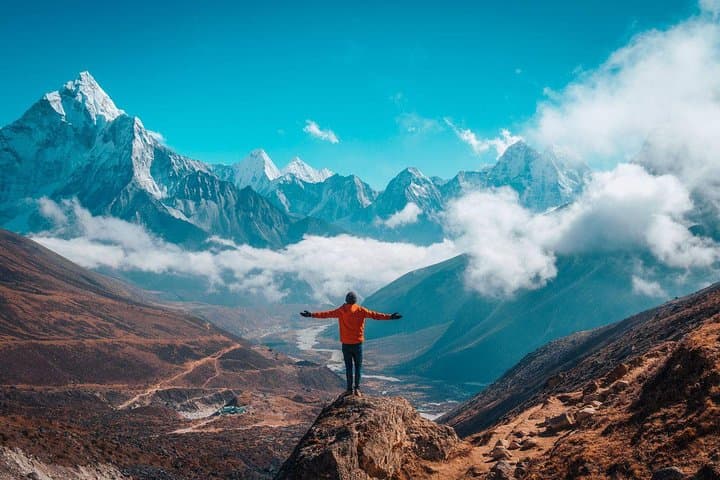
The trail opens with the thud of boots on wooden walkways and prayer flags snapping over the Dudh Koshi valley as you step out of Lukla and into high Himalayan air.
Verified experiences and guided adventures in the surrounding area.
Operated by Sherpa Expedition & Trekking · Lukla, Province No. 1
The trail opens with the thud of boots on wooden walkways and prayer flags snapping over the Dudh Koshi valley as you step out of Lukla and into high Himalayan air.
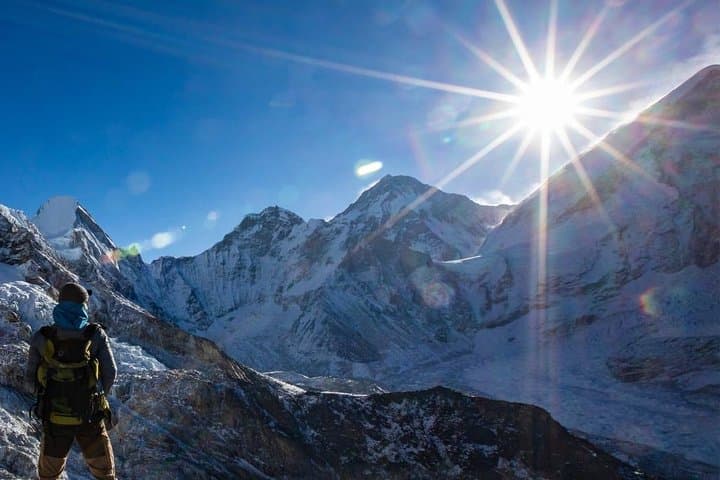
Over 15 days you climb from about 2,860 m in Lukla to Everest Base Camp at roughly 5,364 m, moving through rhododendron forests, terraced Sherpa villages, and the stark moraine of the Khumbu Glacier. Small lodges and teahouses mark each night; mornings often begin with clear, sharp light and evenings end beside steaming dal bhat and hot water bottles.
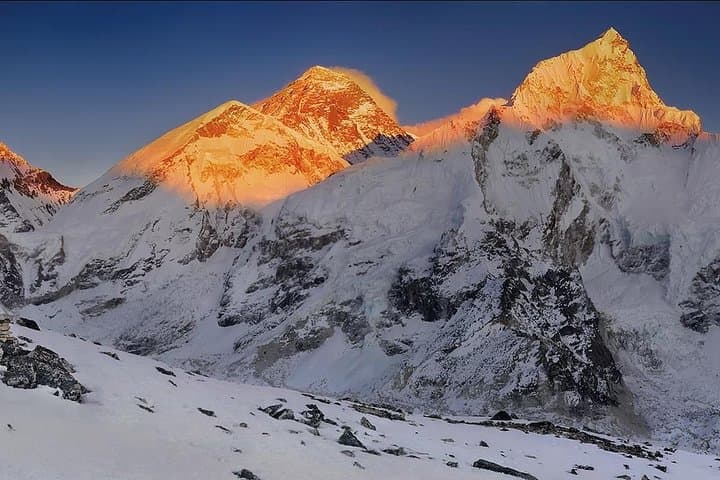
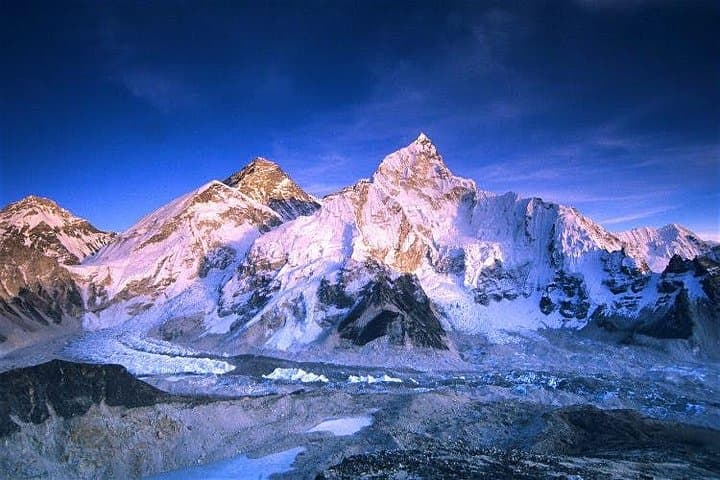
This route runs through Sagarmatha National Park, a landscape carved by uplift and ice — layered metamorphic and sedimentary rocks give way to jagged seracs and boulder fields. The Sherpa people have inhabited these valleys for centuries; monasteries like Tengboche are living cultural centers where Tibetan Buddhism shapes daily life and the rhythm of the trail.
Practicalities matter: expect 10–20 km of walking per day, 4–6 hours on average, with key altitude gains spread across acclimatization stops at Namche Bazaar and Tengboche. Carry layers for large temperature swings, keep hydrated to reduce altitude effects, and pace uphill segments — poles help on steep descents. Permits (Sagarmatha National Park, TIMS) and basic lodge reservations are required in peak season.
This is a demanding, non-technical trek where preparation — fitness, warm sleep system, and respect for altitude — makes the difference between a tough hike and a life-defining ascent to the foot of the world’s highest peak.
challenging.
15 days.
Good aerobic base and prior multi-day hiking experience recommended; ability to walk 4–6 hours/day with pack and handle altitude.
Yes—Sagarmatha National Park entry and a TIMS card are required; guides or operators usually arrange these.
The trek is non-technical but physically demanding; altitude is the main challenge, so acclimatization days and gradual ascent are essential.
Trekking is done from lodges/teahouses offering basic twin rooms, shared bathrooms in lower villages, and simple meals; hot showers are often paid extras.
Spring and autumn offer the most stable weather and clear views, while winter is colder and summer brings monsoon clouds and more avalanches risk.
The Khumbu valley is home to Sherpa communities whose trans-Himalayan trade and Buddhist monasteries shaped local routes and hospitality traditions.
Sagarmatha National Park regulates permits and park fees; practicing leave-no-trace, carrying out waste, and using local guides helps reduce the trek’s footprint.
Sherpa Expedition & Trekking operates guided outdoor trips and adventures with an emphasis on safety, stewardship, and memorable experiences.
The trail opens with the thud of boots on wooden walkways and prayer flags snapping over the Dudh Koshi valley as you step out of Lukla and into high Himalayan air.
The trail opens with the thud of boots on wooden walkways and prayer flags snapping over the Dudh Koshi valley as you step out of Lukla and into high Himalayan air.
Over 15 days you climb from about 2,860 m in Lukla to Everest Base Camp at roughly 5,364 m, moving through rhododendron forests, terraced Sherpa villages, and the stark moraine of the Khumbu Glacier. Small lodges and teahouses mark each night; mornings often begin with clear, sharp light and evenings end beside steaming dal bhat and hot water bottles.
This route runs through Sagarmatha National Park, a landscape carved by uplift and ice — layered metamorphic and sedimentary rocks give way to jagged seracs and boulder fields. The Sherpa people have inhabited these valleys for centuries; monasteries like Tengboche are living cultural centers where Tibetan Buddhism shapes daily life and the rhythm of the trail.
Practicalities matter: expect 10–20 km of walking per day, 4–6 hours on average, with key altitude gains spread across acclimatization stops at Namche Bazaar and Tengboche. Carry layers for large temperature swings, keep hydrated to reduce altitude effects, and pace uphill segments — poles help on steep descents. Permits (Sagarmatha National Park, TIMS) and basic lodge reservations are required in peak season.
This is a demanding, non-technical trek where preparation — fitness, warm sleep system, and respect for altitude — makes the difference between a tough hike and a life-defining ascent to the foot of the world’s highest peak.