THE ADVENTURE COLLECTIVE® · Independent discovery and booking for outdoor travel

A classic 15-day guided route from Kathmandu through Lukla, Namche and Gorakshep to Everest Base Camp and Kala Patthar. Expect long days, high-altitude scenery, Sherpa culture and variable weather — and plan for flight delays into Lukla.
A classic 15-day guided route from Kathmandu through Lukla, Namche and Gorakshep to Everest Base Camp and Kala Patthar. Expect long days, high-altitude scenery, Sherpa culture and variable weather — and plan for flight delays into Lukla.
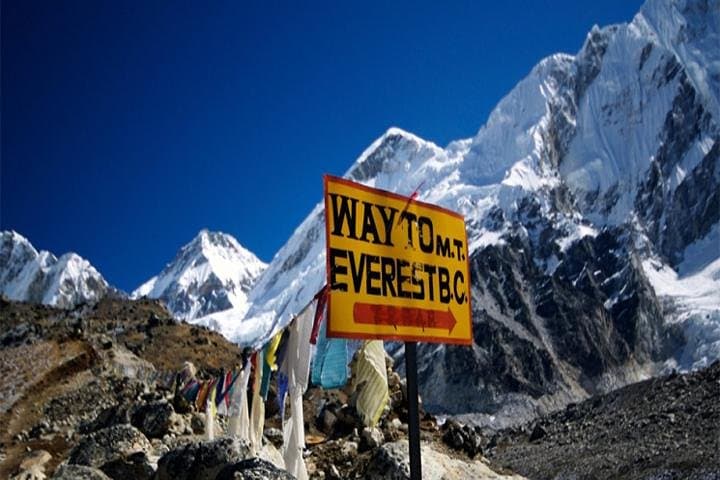
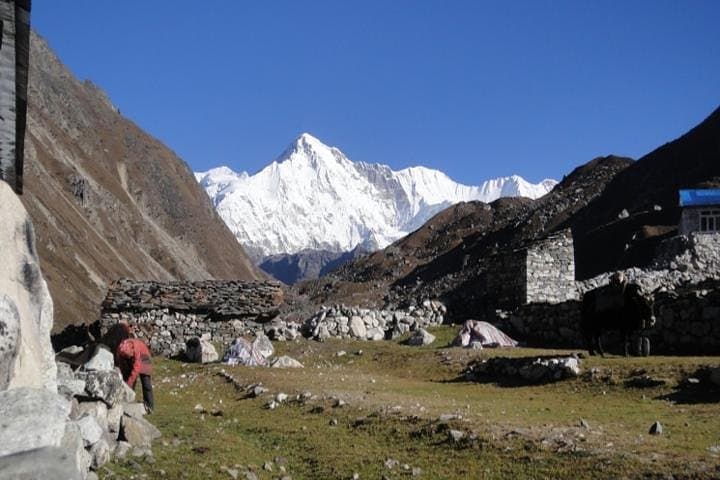
You wake before dawn in Kathmandu, then again on a narrow runway at Lukla where prayer flags snap in a wind that seems to push you uphill. The trail follows the Dudh Koshi river, threads through rhododendron forests and high mani walls, and opens into the stony, wind-scoured valleys below towering seracs. By the time Kalapathar’s ridgeline shows Everest’s serrated skyline, the thin air sharpens every color and sound.
Verified experiences and guided adventures in the surrounding area.
Operated by Outshine Adventure Pvt Ltd · Kathmandu, Bagmati Province
You wake before dawn in Kathmandu, then again on a narrow runway at Lukla where prayer flags snap in a wind that seems to push you uphill. The trail follows the Dudh Koshi river, threads through rhododendron forests and high mani walls, and opens into the stony, wind-scoured valleys below towering seracs. By the time Kalapathar’s ridgeline shows Everest’s serrated skyline, the thin air sharpens every color and sound.
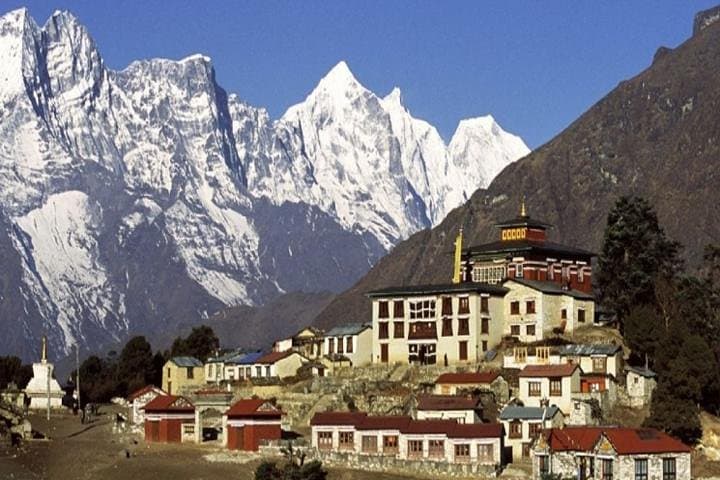
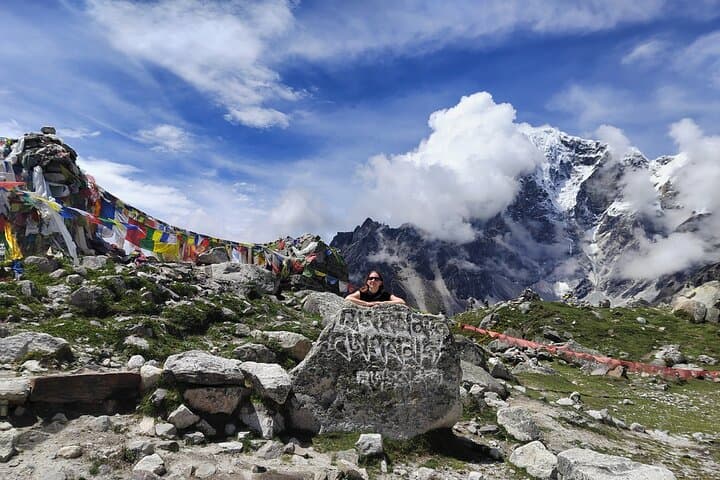
The route runs through Sagarmatha National Park, created to protect the high-Alpine ecosystem and the Sherpa communities who have lived here for generations. The Himalaya are young fold mountains — uplifted by tectonic collision — leaving glaciated valleys, moraines and the Khumbu Icefall that defines the approach to Base Camp. Sherpa culture remains visible: prayer flags, mani stones and monasteries such as Tengboche where morning rituals echo across the valley.
Practical guidance: the itinerary spans 15 days with built-in acclimatization days (Namche, Dingboche/Chhukung). Expect 4–7 hour walking days, handed over guesthouse nights and variable weather. Permits (Sagarmatha National Park entry and TIMS) are required; Lukla flights are weather-dependent — build buffer days. Hydration, paced ascent, and layered clothing are essential to manage cold and altitude.
This trek is not technical rock or ice climbing, but it is high-altitude trekking: respect the itinerary, heed guides, and prepare mentally and physically. When the sun hits the ice at dawn, the mountains don’t just sit still; they test, invite and keep you honest.
challenging.
15 days.
Requires good cardiovascular fitness and experience with multi-day hikes; prepare with long uphill walks and stair sessions.
Yes — a Sagarmatha National Park permit and a TIMS card are required and typically handled by your operator; bring passport copies for processing.
Weather can cancel or delay Lukla flights frequently, especially during monsoon and winter; operators recommend buffer days and flexible return plans.
No technical climbing is required for the standard EBC route — it is a high-altitude trek on rocky and glacial moraine trails, not a mountaineering ascent.
Spring (March–May) and autumn (late September–November) offer the most stable weather and highest visibility; monsoon and deep winter bring more rain/snow and flight issues.
The Khumbu was shaped by centuries of Sherpa settlement and trade routes; Sagarmatha National Park (established in 1976, UNESCO listed in 1979) now protects its cultural and natural heritage.
Park fees fund local conservation; minimize impact by avoiding single-use plastics, using local guides and carrying out waste — teahouse systems are fragile at high altitude.
Outshine Adventure Pvt Ltd operates guided outdoor trips and adventures with an emphasis on safety, stewardship, and memorable experiences.
You wake before dawn in Kathmandu, then again on a narrow runway at Lukla where prayer flags snap in a wind that seems to push you uphill. The trail follows the Dudh Koshi river, threads through rhododendron forests and high mani walls, and opens into the stony, wind-scoured valleys below towering seracs. By the time Kalapathar’s ridgeline shows Everest’s serrated skyline, the thin air sharpens every color and sound.
You wake before dawn in Kathmandu, then again on a narrow runway at Lukla where prayer flags snap in a wind that seems to push you uphill. The trail follows the Dudh Koshi river, threads through rhododendron forests and high mani walls, and opens into the stony, wind-scoured valleys below towering seracs. By the time Kalapathar’s ridgeline shows Everest’s serrated skyline, the thin air sharpens every color and sound.
The route runs through Sagarmatha National Park, created to protect the high-Alpine ecosystem and the Sherpa communities who have lived here for generations. The Himalaya are young fold mountains — uplifted by tectonic collision — leaving glaciated valleys, moraines and the Khumbu Icefall that defines the approach to Base Camp. Sherpa culture remains visible: prayer flags, mani stones and monasteries such as Tengboche where morning rituals echo across the valley.
Practical guidance: the itinerary spans 15 days with built-in acclimatization days (Namche, Dingboche/Chhukung). Expect 4–7 hour walking days, handed over guesthouse nights and variable weather. Permits (Sagarmatha National Park entry and TIMS) are required; Lukla flights are weather-dependent — build buffer days. Hydration, paced ascent, and layered clothing are essential to manage cold and altitude.
This trek is not technical rock or ice climbing, but it is high-altitude trekking: respect the itinerary, heed guides, and prepare mentally and physically. When the sun hits the ice at dawn, the mountains don’t just sit still; they test, invite and keep you honest.