THE ADVENTURE COLLECTIVE® · Independent discovery and booking for outdoor travel

Walk through Sherpa villages, cross suspension bridges festooned with prayer flags and stand at the edge of the Khumbu Glacier on a 15-day guided trek to Everest Base Camp. This itinerary balances acclimatization, cultural insight, and realistic logistics for high-altitude trekking.
Walk through Sherpa villages, cross suspension bridges festooned with prayer flags and stand at the edge of the Khumbu Glacier on a 15-day guided trek to Everest Base Camp. This itinerary balances acclimatization, cultural insight, and realistic logistics for high-altitude trekking.
Dawn in Kathmandu dissolves into a thin mountain light as the city gives way to terraced hills and, later, the razor edge of the Himalaya. By the time you land in Lukla, prayer flags flap like a chorus line and the Dudh Koshi river begins to dare you downstream; the trail carries you steadily upward—through rhododendron groves, over swinging steel bridges and finally across moraine fields where the glacier creaks like an old engine.
Verified experiences and guided adventures in the surrounding area.
Operated by Sole Encounters Adventures · Kathmandu, Bagmati Province
Dawn in Kathmandu dissolves into a thin mountain light as the city gives way to terraced hills and, later, the razor edge of the Himalaya. By the time you land in Lukla, prayer flags flap like a chorus line and the Dudh Koshi river begins to dare you downstream; the trail carries you steadily upward—through rhododendron groves, over swinging steel bridges and finally across moraine fields where the glacier creaks like an old engine.
This route traces human and geological history: Sherpa villages founded centuries ago, Tengboche Monastery’s centuries-old chants, and a landscape carved by the Khumbu Glacier and uplifted by the collision of the Indian and Eurasian plates. Sagarmatha (Everest) National Park, a UNESCO site, protects fragile alpine ecosystems and a living Sherpa culture shaped around mountaineering and Buddhism.
Expect varied terrain—forest trails with roots and steps, exposed high valleys with loose scree, and glacial moraine with uneven footing. The itinerary climbs from Lukla (≈2,860 m) to Everest Base Camp (≈5,364 m) with acclimatization stops in Namche, Dingboche and Gorakshep; a typical round-trip walking distance is roughly 120–140 km with daily sectors of 4–8 hours and cumulative elevation gains of several thousand meters.
Practical edge: hydrate early and often, pace uphill with short, frequent breaks, and plan flexible days for weather-affected Lukla flights. Good quality insulated layers, stiff-soled boots and a trusted guide are non-negotiable. Respect local customs, carry packed-out waste when possible, and allow altitude acclimatization the time it asks for—the mountain won’t hurry you, but it will be exacting.
challenging.
15 days.
Good aerobic fitness with experience walking 5+ hours on uneven terrain; ability to carry a daypack and manage multi-day trekking strain.
No; the Everest Base Camp trek is a non-technical trek. You’ll need good fitness and experience on uneven trails, but not ropework or glacier travel skills.
You must carry a TIMS card and Sagarmatha National Park permit; your operator typically arranges these before or during early trekking stages.
Very weather-dependent—flights are often delayed or rerouted due to low cloud, wind or visibility. Operators schedule buffer days to accommodate changes.
Basic teahouse accommodation and shared bathrooms are standard; most have charging points in dining halls for a small fee, but availability decreases at higher altitudes.
The trail runs through Sagarmatha National Park, protected since 1976; local Sherpa culture and mountaineering history—centered around figures like Tenzing Norgay—are integral to the route.
Permits fund park protection and trekking operators increasingly follow waste-management practices; trekkers should minimize single-use plastics and support local teahouses.
Sole Encounters Adventures operates guided outdoor trips and adventures with an emphasis on safety, stewardship, and memorable experiences.
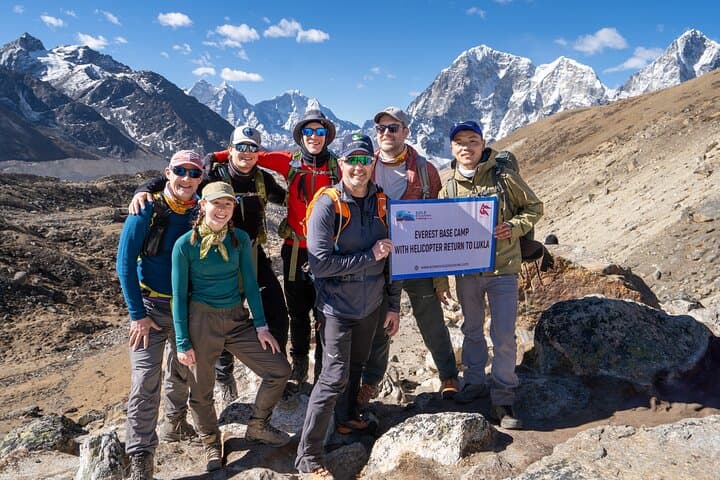
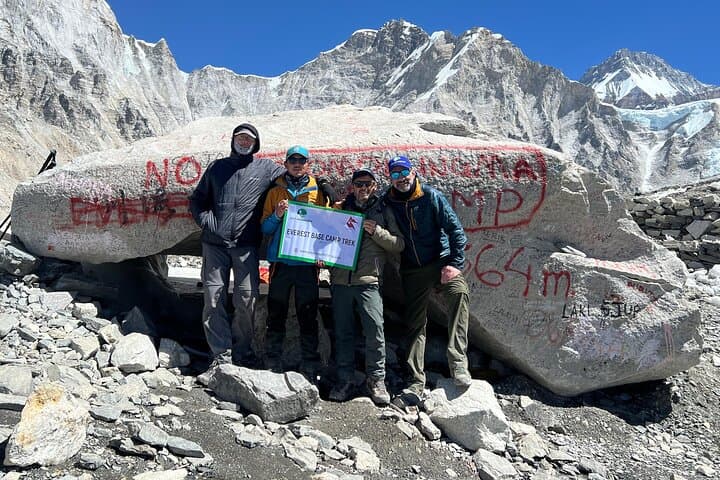
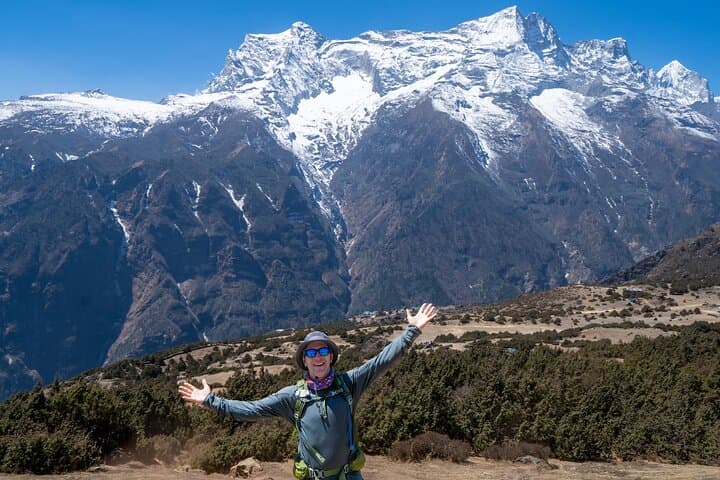
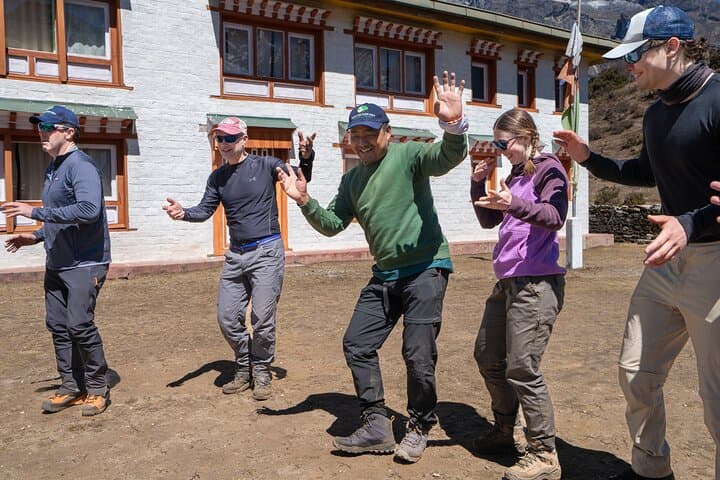
Dawn in Kathmandu dissolves into a thin mountain light as the city gives way to terraced hills and, later, the razor edge of the Himalaya. By the time you land in Lukla, prayer flags flap like a chorus line and the Dudh Koshi river begins to dare you downstream; the trail carries you steadily upward—through rhododendron groves, over swinging steel bridges and finally across moraine fields where the glacier creaks like an old engine.
Dawn in Kathmandu dissolves into a thin mountain light as the city gives way to terraced hills and, later, the razor edge of the Himalaya. By the time you land in Lukla, prayer flags flap like a chorus line and the Dudh Koshi river begins to dare you downstream; the trail carries you steadily upward—through rhododendron groves, over swinging steel bridges and finally across moraine fields where the glacier creaks like an old engine.
This route traces human and geological history: Sherpa villages founded centuries ago, Tengboche Monastery’s centuries-old chants, and a landscape carved by the Khumbu Glacier and uplifted by the collision of the Indian and Eurasian plates. Sagarmatha (Everest) National Park, a UNESCO site, protects fragile alpine ecosystems and a living Sherpa culture shaped around mountaineering and Buddhism.
Expect varied terrain—forest trails with roots and steps, exposed high valleys with loose scree, and glacial moraine with uneven footing. The itinerary climbs from Lukla (≈2,860 m) to Everest Base Camp (≈5,364 m) with acclimatization stops in Namche, Dingboche and Gorakshep; a typical round-trip walking distance is roughly 120–140 km with daily sectors of 4–8 hours and cumulative elevation gains of several thousand meters.
Practical edge: hydrate early and often, pace uphill with short, frequent breaks, and plan flexible days for weather-affected Lukla flights. Good quality insulated layers, stiff-soled boots and a trusted guide are non-negotiable. Respect local customs, carry packed-out waste when possible, and allow altitude acclimatization the time it asks for—the mountain won’t hurry you, but it will be exacting.