THE ADVENTURE COLLECTIVE® · Independent discovery and booking for outdoor travel

A 15-day trek from Kathmandu to Everest Base Camp that climbs through Sherpa villages, rhododendron forests and glacial moraines to Kala Patthar and the Khumbu Icefall. Practical route notes, altitude specifics and packing essentials to plan your ascent.
A 15-day trek from Kathmandu to Everest Base Camp that climbs through Sherpa villages, rhododendron forests and glacial moraines to Kala Patthar and the Khumbu Icefall. Practical route notes, altitude specifics and packing essentials to plan your ascent.
You step off a thirty-minute prop plane into Lukla and the air seems thinner the instant you exit the terminal — prayer flags snap overhead and the Dudh Koshi river dares you to follow it upstream.
Verified experiences and guided adventures in the surrounding area.
Operated by Outshine Adventure Pvt Ltd · Lukla, Province No. 1, Solukhumbu
You step off a thirty-minute prop plane into Lukla and the air seems thinner the instant you exit the terminal — prayer flags snap overhead and the Dudh Koshi river dares you to follow it upstream.
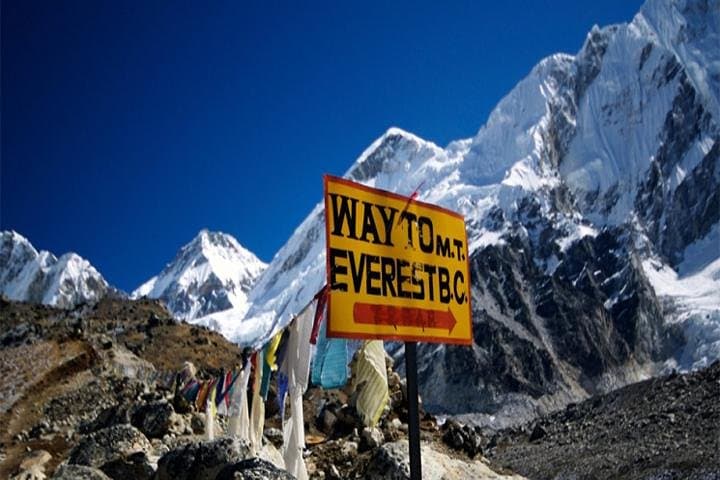
This 15-day circuit moves steadily from Kathmandu’s urban bustle to high alpine ridgelines: Lukla (2,804 m) to Namche Bazaar (3,440 m), acclimatization detours to Tengboche and Dingboche, a push to Lobuche and Gorak Shep, a summit-style dawn to Kala Patthar (5,545 m) and the walk to Everest Base Camp (~5,400 m).
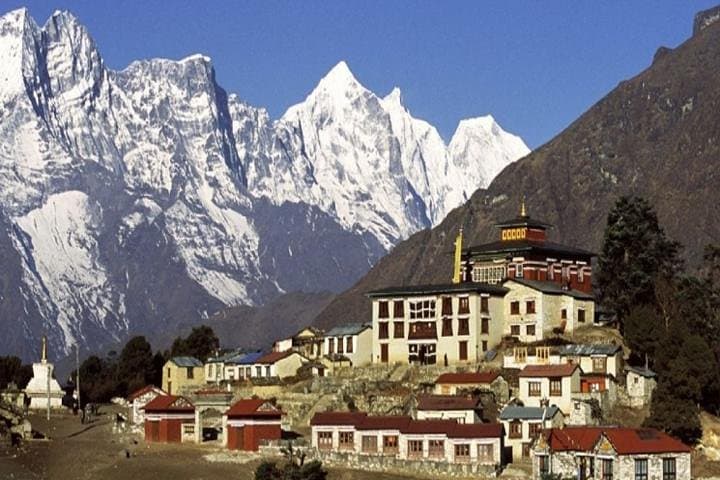
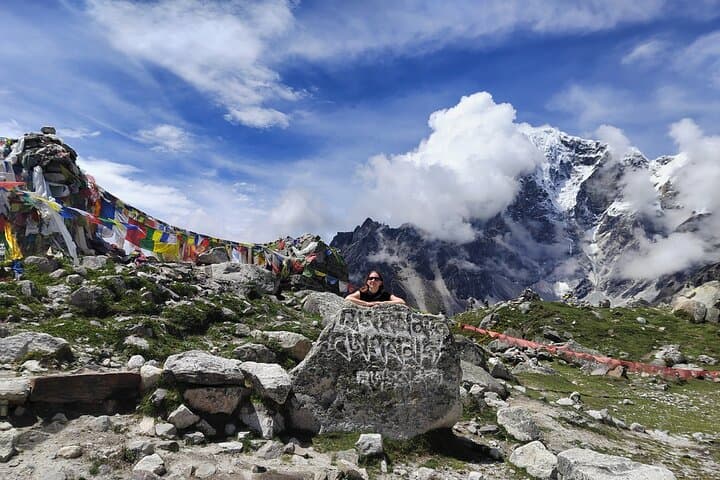
Geology here is raw: uplifted metamorphic rock, moraine-sculpted valleys and the Khumbu Glacier carving a cold corridor toward Everest. Cultural threads run equally deep — Sherpa villages, mani walls and Tengboche monastery reflect centuries of Himalayan faith and high-altitude livelihood.
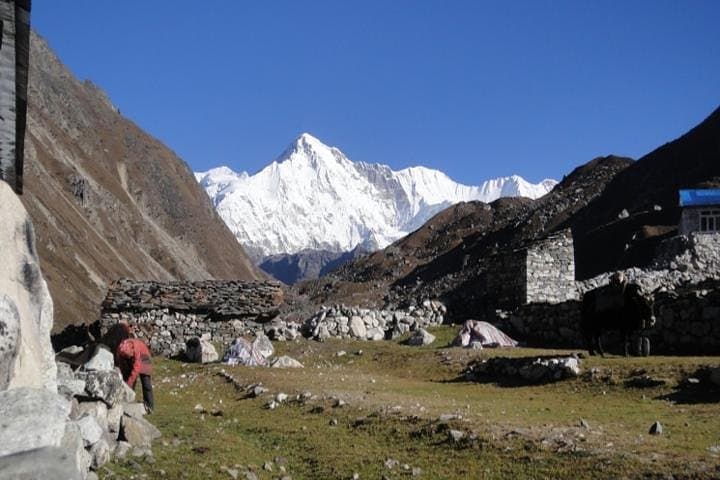
Expect varied terrain: forested trails and suspension bridges low on the route, stone steps and scree higher up, and glacier forefields approaching EBC. Typical daily walking is 4–6 hours with altitude gains of 300–850 m on key days (Namche ascent ~850 m).
Practical guidance: acclimatize one full day in Namche, watch for early signs of altitude illness, keep daily water intake high (3–4 L) and pack a warm down layer for sub-zero nights. Flights to/from Lukla are weather-dependent; build buffer time before international connections.
The route rewards persistence — close-up views of Ama Dablam, Lhotse and the Khumbu Icefall — and leaves you with a clear sense of how human culture and extreme geology coexist at the roof of the world.
challenging.
15 days.
Good aerobic fitness with experience on multi-day hikes; ability to walk 4–6 hours daily carrying a daypack and tolerate long days at altitude
Yes — you must obtain a TIMS card and Sagarmatha National Park entry permit, typically arranged through your operator before the trek.
The short Kathmandu–Lukla hop is scenic but weather-dependent; pilots are experienced, and flights often reschedule during poor visibility.
Not strictly, but prior multi-day hiking experience and a gradual acclimatization plan are essential to lower altitude sickness risk.
Teahouses offer basic twin rooms, shared bathrooms and hot meals; expect simple bedding and limited electricity at higher elevations.
The Khumbu valley is homeland to Sherpa communities who developed high-altitude expertise supporting Himalayan exploration since the early 20th century.
Trekkers enter Sagarmatha National Park; follow Leave No Trace, pack out non-biodegradable waste and support local recycling and porter welfare initiatives.
Outshine Adventure Pvt Ltd operates guided outdoor trips and adventures with an emphasis on safety, stewardship, and memorable experiences.
You step off a thirty-minute prop plane into Lukla and the air seems thinner the instant you exit the terminal — prayer flags snap overhead and the Dudh Koshi river dares you to follow it upstream.
You step off a thirty-minute prop plane into Lukla and the air seems thinner the instant you exit the terminal — prayer flags snap overhead and the Dudh Koshi river dares you to follow it upstream.
This 15-day circuit moves steadily from Kathmandu’s urban bustle to high alpine ridgelines: Lukla (2,804 m) to Namche Bazaar (3,440 m), acclimatization detours to Tengboche and Dingboche, a push to Lobuche and Gorak Shep, a summit-style dawn to Kala Patthar (5,545 m) and the walk to Everest Base Camp (~5,400 m).
Geology here is raw: uplifted metamorphic rock, moraine-sculpted valleys and the Khumbu Glacier carving a cold corridor toward Everest. Cultural threads run equally deep — Sherpa villages, mani walls and Tengboche monastery reflect centuries of Himalayan faith and high-altitude livelihood.
Expect varied terrain: forested trails and suspension bridges low on the route, stone steps and scree higher up, and glacier forefields approaching EBC. Typical daily walking is 4–6 hours with altitude gains of 300–850 m on key days (Namche ascent ~850 m).
Practical guidance: acclimatize one full day in Namche, watch for early signs of altitude illness, keep daily water intake high (3–4 L) and pack a warm down layer for sub-zero nights. Flights to/from Lukla are weather-dependent; build buffer time before international connections.
The route rewards persistence — close-up views of Ama Dablam, Lhotse and the Khumbu Icefall — and leaves you with a clear sense of how human culture and extreme geology coexist at the roof of the world.