THE ADVENTURE COLLECTIVE® · Independent discovery and booking for outdoor travel

Fly into Lukla and follow the Dudh Koshi to Everest Base Camp over 15 days, crossing Sherpa villages, monasteries and glacial moraine. This classic itinerary blends high-altitude trekking with cultural stops and acclimatization days—prepare for long days, teahouse nights and thin air.
Fly into Lukla and follow the Dudh Koshi to Everest Base Camp over 15 days, crossing Sherpa villages, monasteries and glacial moraine. This classic itinerary blends high-altitude trekking with cultural stops and acclimatization days—prepare for long days, teahouse nights and thin air.
Dawn arrives thin and blue across the Khumbu, prayer flags quivering as the trail unfurls toward the high ice and stone. Trekking to Everest Base Camp moves you through rivers that dare you forward, villages that breathe Sherpa life, and a skyline of serrated peaks that climb until the air tastes faint.
Verified experiences and guided adventures in the surrounding area.
Operated by Alpine Luxury Treks Pvt Ltd · Lukla, Solukhumbu
Dawn arrives thin and blue across the Khumbu, prayer flags quivering as the trail unfurls toward the high ice and stone. Trekking to Everest Base Camp moves you through rivers that dare you forward, villages that breathe Sherpa life, and a skyline of serrated peaks that climb until the air tastes faint.
The route follows the Dudh Koshi valley, a pathway with generations of trade, Buddhist monasteries and mani walls. Geologically this is young Himalayan uplift—glaciers, moraines and black moraine trails around the Khumbu Glacier mark the mountain’s slow, raw work. Sherpa culture is constant: Tengboche monastery rituals, mountain festivals and teahouse hospitality shape daily life on the trail.
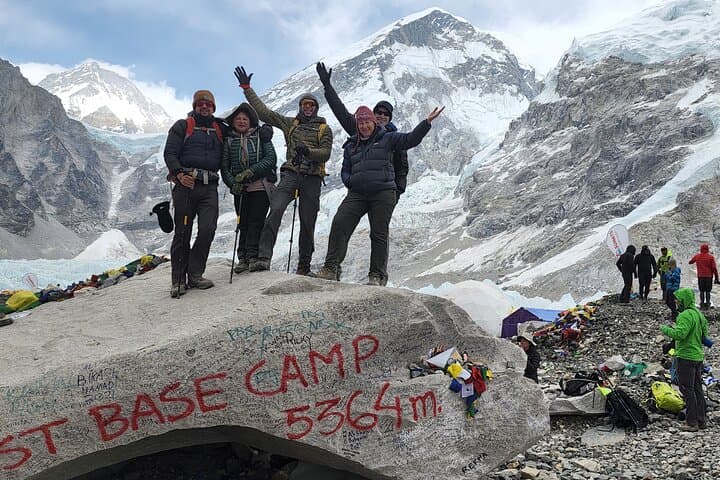
Practically, the classic itinerary begins with a scenic Lukla flight, progresses through Namche Bazaar for acclimatization, then on to Tengboche, Dingboche, Lobuche, Gorakshep and the moraine to Everest Base Camp, with a sunrise push to Kala Patthar for the best south-face view of Everest. Expect teahouse nights, long daylight marches (4–8 hours), and thin air above 4,500 m where pace and acclimatization matter more than speed.
Plan for layered clothing, crampon-ready boots for icy patches, and steady hydration; altitude is the chief risk—know the symptoms and give your guide immediate notice. Best seasons are spring and fall for clear views; winter is brutally cold and summer monsoon adds mud and clouds.
This trek is an earned convergence of culture, geology and high-mountain effort—an expedition-style trail that rewards patience, preparation and respect for the mountain environment.
challenging.
15–16 days.
Requires high aerobic fitness, multi-day endurance and experience with long uphill days at altitude.
Yes—trekking in the Khumbu requires TIMS card and Sagarmatha National Park permit, typically arranged by your operator.
Everest Base Camp is about 5,364 m and Kala Patthar around 5,545 m; both require careful acclimatization.
Basic shared or private rooms with simple beds, shared bathrooms and communal dining; hot showers and Wi‑Fi are available at larger stops for a fee.
AMS is possible above 3,000–4,000 m; symptoms vary—guides watch clients closely and will descend if symptoms worsen.
The Khumbu was historically part of trans-Himalayan trade routes; Sherpa communities developed climbing, guiding and trade economies in the 20th century.
The Sagarmatha National Park protects fragile alpine ecosystems; minimize waste, use refillable bottles and follow leave-no-trace practices.
Alpine Luxury Treks Pvt Ltd operates guided outdoor trips and adventures with an emphasis on safety, stewardship, and memorable experiences.
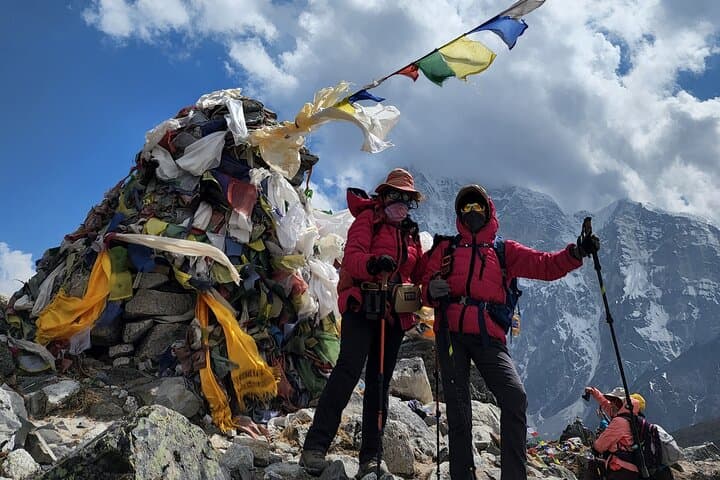
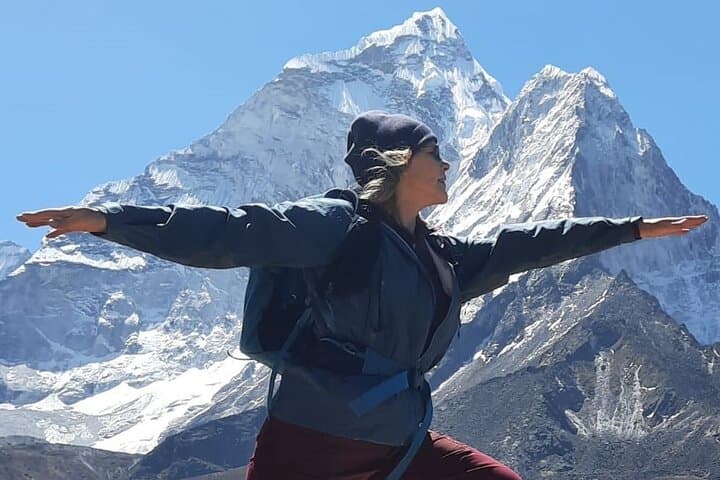
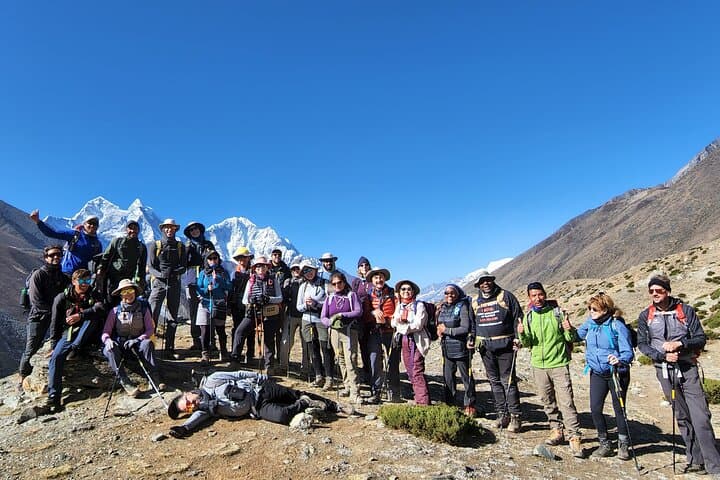
Dawn arrives thin and blue across the Khumbu, prayer flags quivering as the trail unfurls toward the high ice and stone. Trekking to Everest Base Camp moves you through rivers that dare you forward, villages that breathe Sherpa life, and a skyline of serrated peaks that climb until the air tastes faint.
Dawn arrives thin and blue across the Khumbu, prayer flags quivering as the trail unfurls toward the high ice and stone. Trekking to Everest Base Camp moves you through rivers that dare you forward, villages that breathe Sherpa life, and a skyline of serrated peaks that climb until the air tastes faint.
The route follows the Dudh Koshi valley, a pathway with generations of trade, Buddhist monasteries and mani walls. Geologically this is young Himalayan uplift—glaciers, moraines and black moraine trails around the Khumbu Glacier mark the mountain’s slow, raw work. Sherpa culture is constant: Tengboche monastery rituals, mountain festivals and teahouse hospitality shape daily life on the trail.
Practically, the classic itinerary begins with a scenic Lukla flight, progresses through Namche Bazaar for acclimatization, then on to Tengboche, Dingboche, Lobuche, Gorakshep and the moraine to Everest Base Camp, with a sunrise push to Kala Patthar for the best south-face view of Everest. Expect teahouse nights, long daylight marches (4–8 hours), and thin air above 4,500 m where pace and acclimatization matter more than speed.
Plan for layered clothing, crampon-ready boots for icy patches, and steady hydration; altitude is the chief risk—know the symptoms and give your guide immediate notice. Best seasons are spring and fall for clear views; winter is brutally cold and summer monsoon adds mud and clouds.
This trek is an earned convergence of culture, geology and high-mountain effort—an expedition-style trail that rewards patience, preparation and respect for the mountain environment.