THE ADVENTURE COLLECTIVE® · Independent discovery and booking for outdoor travel

A classic 14-day trek from Lukla to Everest Base Camp and Kala Patthar, this route combines high-altitude spectacle with Sherpa culture and teahouse logistics. Expect long, steep days, critical acclimatization, and unforgettable summit views at dawn.
A classic 14-day trek from Lukla to Everest Base Camp and Kala Patthar, this route combines high-altitude spectacle with Sherpa culture and teahouse logistics. Expect long, steep days, critical acclimatization, and unforgettable summit views at dawn.
You step off the short Lukla runway and the mountain air immediately rearranges your rhythm — thin, sharp, and insistently real. Over the next 12 trekking days the trail pulls you up from roughly 2,800 m in Lukla through fir and rhododendron forests, across creaking suspension bridges and moraine-scarred valleys, to the Khumbu Glacier where Everest Base Camp perches at about 5,365 m.
Verified experiences and guided adventures in the surrounding area.
Operated by Chamlang Expeditions · Kathmandu, Bagmati Province
You step off the short Lukla runway and the mountain air immediately rearranges your rhythm — thin, sharp, and insistently real. Over the next 12 trekking days the trail pulls you up from roughly 2,800 m in Lukla through fir and rhododendron forests, across creaking suspension bridges and moraine-scarred valleys, to the Khumbu Glacier where Everest Base Camp perches at about 5,365 m.
This route threads Sherpa villages with centuries-old Buddhist practices, mani stones carved with prayers, and monasteries like Tengboche that front panoramic ridgelines. Geologically the trek traces active uplift and glacial sculpting: moraines, icefalls and the exposed rock of the Khumbu Glacier tell the story of the Himalaya’s growth. Culturally, Namche Bazaar remains a trading hub turned acclimatization stop, where tea houses serve steaming dal bhat and guide stories of early expeditions.
Practical guidance: the itinerary includes a Lukla mountain flight, teahouse lodging, TIMS permit and an acclimatization day in Namche and Dingboche — vital to manage altitude. Expect day hikes of 4–9 hours, typical single-day elevation gains of 300–900 m, and rocky or icy trail on the approach to Gorak Shep and EBC. Bring layered clothing for strong solar radiation and sub-zero nights, and plan for last-minute flight delays into/out of Lukla.
Hydrate, pace up gradual grades, treat acclimatization seriously, and respect local customs around monasteries and prayer flags. The payoff is uncompromising: Kala Patthar’s dawn view of Everest, Lhotse and Nuptse — mountains that do not simply sit still but push the horizon forward.
challenging.
14 days.
Good aerobic fitness and prior multi-day hiking experience recommended; ability to hike 6–8 hours on steep, rocky terrain at altitude.
Yes — a Sagarmatha National Park permit and a TIMS card are required; most operators handle these before departure.
Lukla flights are short and weather-dependent; they are routine but cancellations are common in poor visibility — plan extra time.
No formal requirement, but previous multi-day trek experience and good cardiovascular fitness greatly reduce risk of problems.
Teahouse (guesthouse) lodging along the trail with shared rooms and basic meals; hotels in Kathmandu at the start and end nights.
The Khumbu valley was a trade corridor between Tibet and Nepal; Sherpa communities adopted Tibetan Buddhism and became integral to Himalayan mountaineering support.
Sagarmatha National Park restricts waste and requires permits; practice pack-in/pack-out, minimize single-use plastics, and respect local water sources.
Chamlang Expeditions operates guided outdoor trips and adventures with an emphasis on safety, stewardship, and memorable experiences.
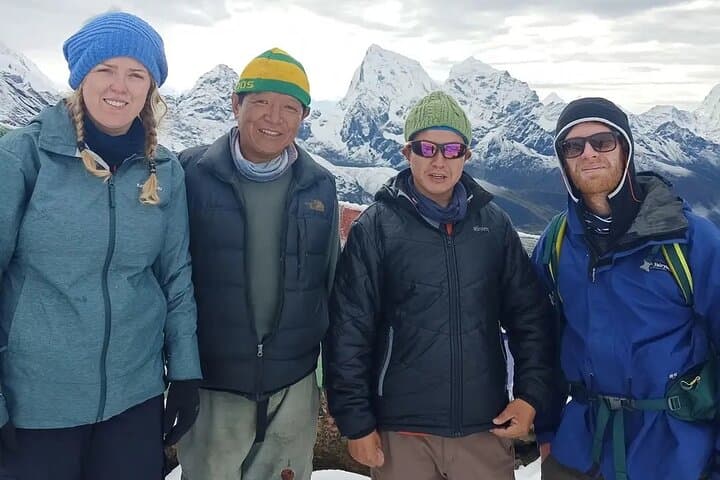
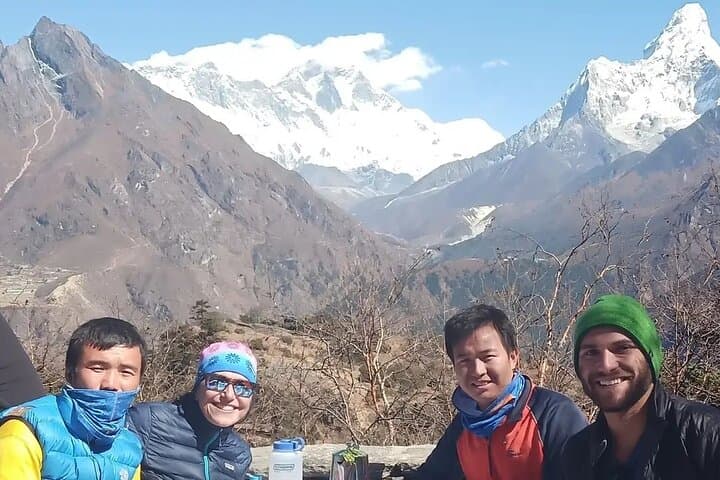
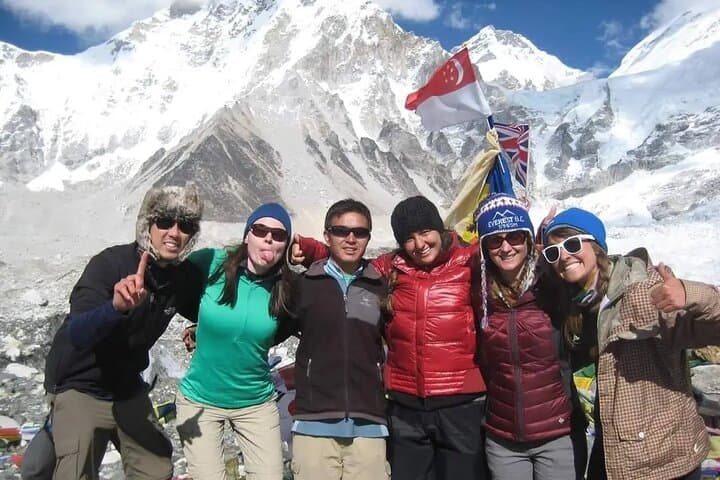
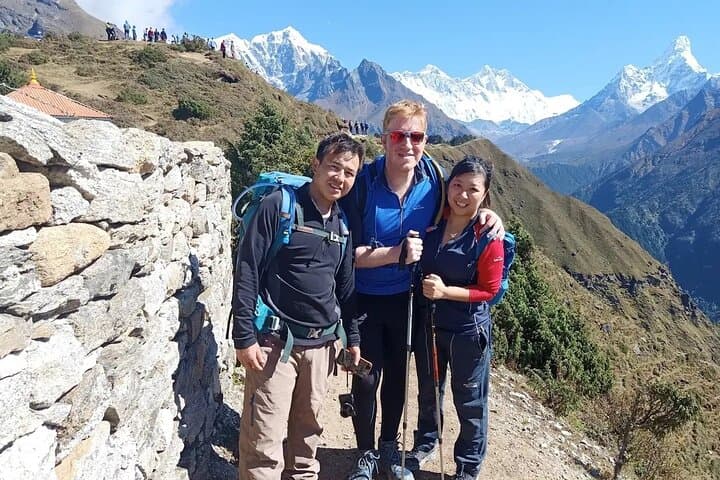
You step off the short Lukla runway and the mountain air immediately rearranges your rhythm — thin, sharp, and insistently real. Over the next 12 trekking days the trail pulls you up from roughly 2,800 m in Lukla through fir and rhododendron forests, across creaking suspension bridges and moraine-scarred valleys, to the Khumbu Glacier where Everest Base Camp perches at about 5,365 m.
You step off the short Lukla runway and the mountain air immediately rearranges your rhythm — thin, sharp, and insistently real. Over the next 12 trekking days the trail pulls you up from roughly 2,800 m in Lukla through fir and rhododendron forests, across creaking suspension bridges and moraine-scarred valleys, to the Khumbu Glacier where Everest Base Camp perches at about 5,365 m.
This route threads Sherpa villages with centuries-old Buddhist practices, mani stones carved with prayers, and monasteries like Tengboche that front panoramic ridgelines. Geologically the trek traces active uplift and glacial sculpting: moraines, icefalls and the exposed rock of the Khumbu Glacier tell the story of the Himalaya’s growth. Culturally, Namche Bazaar remains a trading hub turned acclimatization stop, where tea houses serve steaming dal bhat and guide stories of early expeditions.
Practical guidance: the itinerary includes a Lukla mountain flight, teahouse lodging, TIMS permit and an acclimatization day in Namche and Dingboche — vital to manage altitude. Expect day hikes of 4–9 hours, typical single-day elevation gains of 300–900 m, and rocky or icy trail on the approach to Gorak Shep and EBC. Bring layered clothing for strong solar radiation and sub-zero nights, and plan for last-minute flight delays into/out of Lukla.
Hydrate, pace up gradual grades, treat acclimatization seriously, and respect local customs around monasteries and prayer flags. The payoff is uncompromising: Kala Patthar’s dawn view of Everest, Lhotse and Nuptse — mountains that do not simply sit still but push the horizon forward.