THE ADVENTURE COLLECTIVE® · Independent discovery and booking for outdoor travel

Fly into Lukla, climb through Sherpa villages and glacial moraine, and reach Everest Base Camp and Kala Patthar on this 14-day acclimatized itinerary. Expect long days, high passes, and cultural stops in Namche and Tengboche.
Fly into Lukla, climb through Sherpa villages and glacial moraine, and reach Everest Base Camp and Kala Patthar on this 14-day acclimatized itinerary. Expect long days, high passes, and cultural stops in Namche and Tengboche.
The first light on a Nepali morning slices the peaks into black and white; by the time the tiny plane crosses the Dudh Kosi valley you feel the mountains leaning in, testing your resolve. That short Lukla flight (about 40 minutes) drops you into the high world at 2,800 m and the trail immediately begins to climb—stone stair, suspension bridge, Sherpa village—each step an honest measure of altitude gained.
Verified experiences and guided adventures in the surrounding area.
Operated by Walk Mountain Pvt Ltd. · Kathmandu, Bagmati Province
The first light on a Nepali morning slices the peaks into black and white; by the time the tiny plane crosses the Dudh Kosi valley you feel the mountains leaning in, testing your resolve. That short Lukla flight (about 40 minutes) drops you into the high world at 2,800 m and the trail immediately begins to climb—stone stair, suspension bridge, Sherpa village—each step an honest measure of altitude gained.
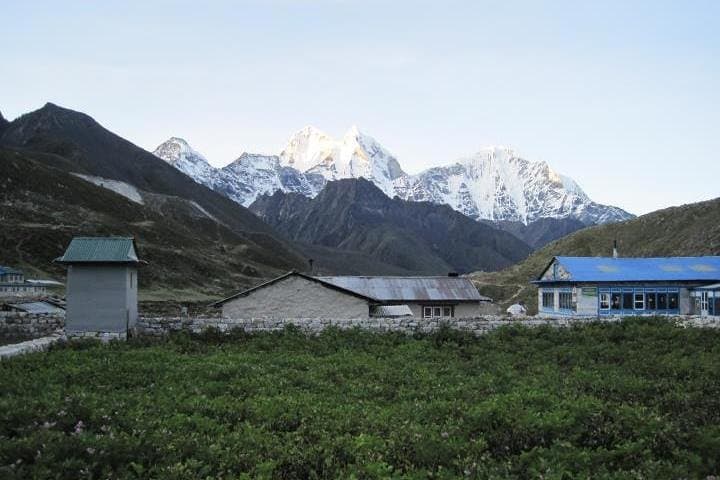
This 14-day itinerary threads through Sagarmatha National Park, a UNESCO-protected landscape carved by the Khumbu Glacier and lifted by the Himalayan thrust. You move from rhododendron forests below Namche Bazaar (3,440 m) into the glacial moraine beyond Lobuche, encountering Sherpa culture, hilltop gompas like Tengboche, and small museums that explain the 1953 ascent legacy and local mountaineering history.
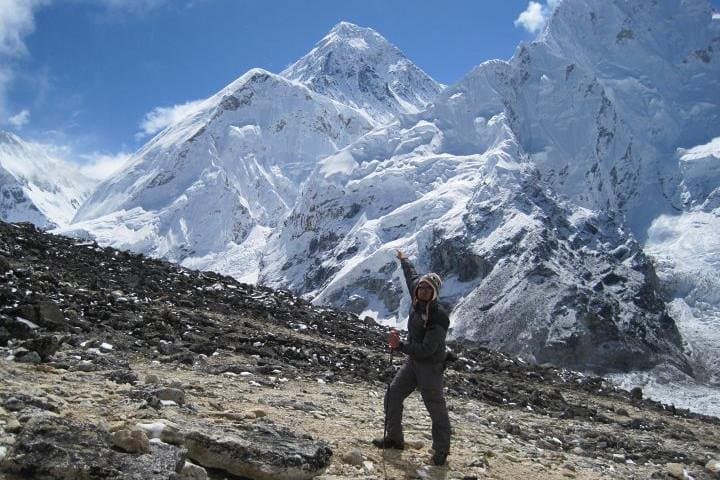
By day 9 you stand at Gorak Shep (5,170 m), then press on to Everest Base Camp (5,364 m) and Kala Patthar (≈5,545 m) for the clearest southern views of Everest’s summit limestone and jagged ridgelines. Terrain varies from packed dirt to scree and icy moraine; expect long uphill days (4–9 hrs) with cumulative elevation gain of roughly 2,700–2,800 m from Lukla to Base Camp.
Practical matters shape the experience: schedule trips in spring or autumn for the best weather windows, allow full acclimatization days at Namche and Dingboche, pack a zero-degree F sleeping bag, and plan for variable logistics—Lukla flights are weather-dependent and small-aircraft weight limits apply. Hydrate, monitor for AMS, and respect local conservation rules: carry out trash and use designated toilets where available.
challenging.
14 days.
Good aerobic fitness and experience with multi-day hiking at altitude; able to walk 4–9 hours on uneven terrain.
Autumn (Sept–Nov) and spring (Mar–May) offer the clearest weather and stable conditions; winter is colder with fewer crowds, and monsoon season brings rain and limited visibility.
Daily walks range from about 3–9 hours; altitude is the primary challenge—planned acclimatization days and awareness of AMS symptoms are essential.
No—flights are small and weather-dependent; delays and cancellations are common, so build buffer time into your itinerary.
Nightly stays are in local tea houses with twin-share rooms, basic facilities, and chargeable hot showers; Kathmandu nights are usually a 3-star hotel.
The route passes through Sherpa communities shaped by centuries of trans-Himalayan trade and modern mountaineering; Sagarmatha National Park was designated a UNESCO site in 1979.
Visitors should follow park rules, minimize single-use plastics, and use lodge facilities to reduce human waste; supporting licensed local guides helps sustain community economies.
Walk Mountain Pvt Ltd. operates guided outdoor trips and adventures with an emphasis on safety, stewardship, and memorable experiences.
The first light on a Nepali morning slices the peaks into black and white; by the time the tiny plane crosses the Dudh Kosi valley you feel the mountains leaning in, testing your resolve. That short Lukla flight (about 40 minutes) drops you into the high world at 2,800 m and the trail immediately begins to climb—stone stair, suspension bridge, Sherpa village—each step an honest measure of altitude gained.
The first light on a Nepali morning slices the peaks into black and white; by the time the tiny plane crosses the Dudh Kosi valley you feel the mountains leaning in, testing your resolve. That short Lukla flight (about 40 minutes) drops you into the high world at 2,800 m and the trail immediately begins to climb—stone stair, suspension bridge, Sherpa village—each step an honest measure of altitude gained.
This 14-day itinerary threads through Sagarmatha National Park, a UNESCO-protected landscape carved by the Khumbu Glacier and lifted by the Himalayan thrust. You move from rhododendron forests below Namche Bazaar (3,440 m) into the glacial moraine beyond Lobuche, encountering Sherpa culture, hilltop gompas like Tengboche, and small museums that explain the 1953 ascent legacy and local mountaineering history.
By day 9 you stand at Gorak Shep (5,170 m), then press on to Everest Base Camp (5,364 m) and Kala Patthar (≈5,545 m) for the clearest southern views of Everest’s summit limestone and jagged ridgelines. Terrain varies from packed dirt to scree and icy moraine; expect long uphill days (4–9 hrs) with cumulative elevation gain of roughly 2,700–2,800 m from Lukla to Base Camp.
Practical matters shape the experience: schedule trips in spring or autumn for the best weather windows, allow full acclimatization days at Namche and Dingboche, pack a zero-degree F sleeping bag, and plan for variable logistics—Lukla flights are weather-dependent and small-aircraft weight limits apply. Hydrate, monitor for AMS, and respect local conservation rules: carry out trash and use designated toilets where available.