THE ADVENTURE COLLECTIVE® · Independent discovery and booking for outdoor travel

A classic 14‑day route from Lukla to Everest Base Camp and Kala Patthar that combines high‑altitude trekking, Sherpa culture and panoramic Himalayan vistas. Read on for what to expect day‑to‑day, practical prep and local insights.
A classic 14‑day route from Lukla to Everest Base Camp and Kala Patthar that combines high‑altitude trekking, Sherpa culture and panoramic Himalayan vistas. Read on for what to expect day‑to‑day, practical prep and local insights.
You step off a short, jittery flight into Lukla and the Himalaya shuts the door behind you — thin air, a scatter of stone teahouses and a trail that climbs toward an enormous skyline. The first days follow the Dudh Koshi, crossing suspension bridges and threading pine and rhododendron forests before Namche Bazaar opens like a high-altitude market with Everest peeking above the ridgelines.
Verified experiences and guided adventures in the surrounding area.
Operated by Green Valley Nepal Treks & Research Hub Pvt Ltd · Kathmandu, Bagmati Province
You step off a short, jittery flight into Lukla and the Himalaya shuts the door behind you — thin air, a scatter of stone teahouses and a trail that climbs toward an enormous skyline. The first days follow the Dudh Koshi, crossing suspension bridges and threading pine and rhododendron forests before Namche Bazaar opens like a high-altitude market with Everest peeking above the ridgelines.
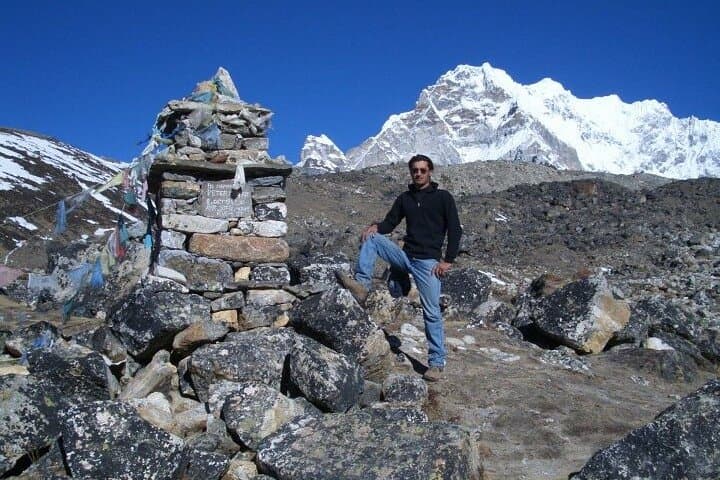
This trek follows paths used by sherpas and early expedition teams; the Khumbu Valley sits inside Sagarmatha National Park, a UNESCO-protected landscape of glacial moraine, sharp arêtes and ancient rock folded by the collision of India and Eurasia. Along the way you’ll pass monasteries in Tengboche and Pangboche, meet yak herders, and see cultural markers — prayer flags, mani walls, chortens — that mark both faith and route.
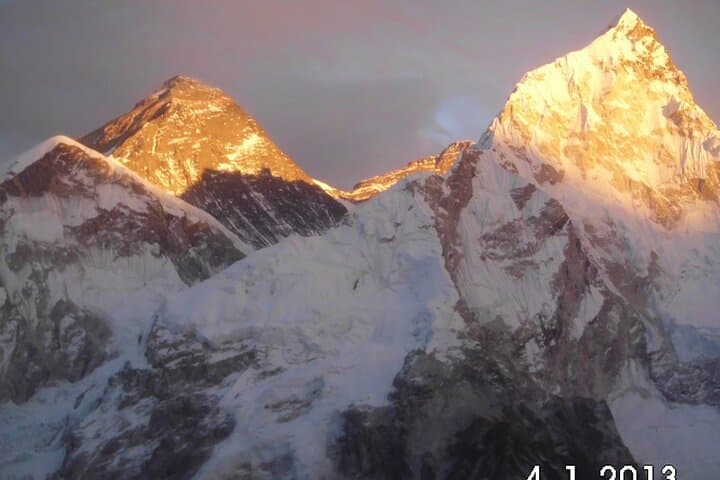
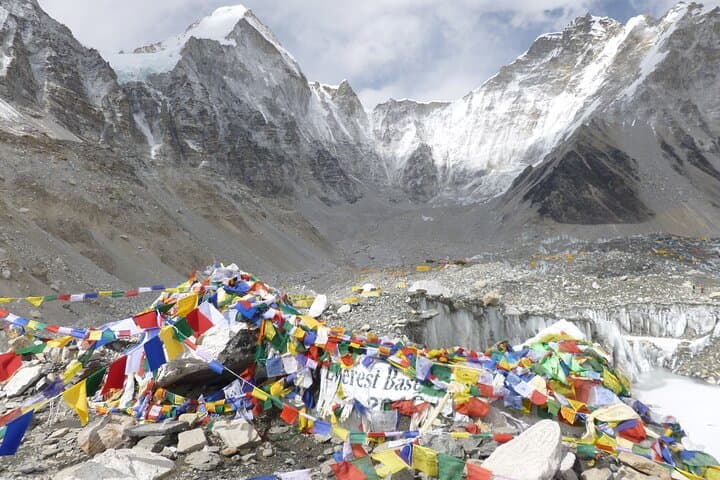
Technically the route is non-technical but physically demanding: expect rocky moraines, loose scree, steep rises and thin-air walking above 4,000 m. Key high points include Gorakshep (5,150 m), Everest Base Camp (5,364 m) and the sunrise viewpoint at Kala Patthar (5,545 m).
Practical edge: plan 12–14 days on trail for safe acclimatization, carry a high-quality sleeping bag, and budget for permits (Sagarmatha National Park and TIMS) and Lukla flight variability. Hydrate deliberately, pace your ascents, and use rest days in Namche or Dingboche to reduce altitude risk. Tea houses supply simple meals and a bed; nights get very cold. If you go prepared — layered clothing, good boots, and patience — the reward is a direct, visceral view of Earth’s highest summit and the resilient culture that lives on its slopes.
challenging.
12–14 days.
Requires excellent cardiovascular fitness and experience with multi‑day hiking at altitude; routine stair/hill training recommended
Yes—trekkers must carry a TIMS card and entry permit for Sagarmatha National Park, obtained in Kathmandu or through your operator.
Physically demanding due to sustained altitude and long days; strong fitness and prior multi‑day hikes are recommended.
Spring (March–May) and autumn (late Sept–Nov) offer the most stable weather and clearer mountain views, with spring giving rhododendron blooms.
Headache, nausea, dizziness and fatigue; descend immediately if symptoms worsen and seek medical attention for persistent or severe signs.
The Khumbu has long been home to Sherpa communities and became globally significant after the 1953 Everest first ascent; many trekking routes mirror historic porter and expedition tracks.
Sagarmatha National Park is strictly regulated—minimize waste, use refillable containers and support local teahouses to keep tourism sustainable.
Green Valley Nepal Treks & Research Hub Pvt Ltd operates guided outdoor trips and adventures with an emphasis on safety, stewardship, and memorable experiences.

You step off a short, jittery flight into Lukla and the Himalaya shuts the door behind you — thin air, a scatter of stone teahouses and a trail that climbs toward an enormous skyline. The first days follow the Dudh Koshi, crossing suspension bridges and threading pine and rhododendron forests before Namche Bazaar opens like a high-altitude market with Everest peeking above the ridgelines.
You step off a short, jittery flight into Lukla and the Himalaya shuts the door behind you — thin air, a scatter of stone teahouses and a trail that climbs toward an enormous skyline. The first days follow the Dudh Koshi, crossing suspension bridges and threading pine and rhododendron forests before Namche Bazaar opens like a high-altitude market with Everest peeking above the ridgelines.
This trek follows paths used by sherpas and early expedition teams; the Khumbu Valley sits inside Sagarmatha National Park, a UNESCO-protected landscape of glacial moraine, sharp arêtes and ancient rock folded by the collision of India and Eurasia. Along the way you’ll pass monasteries in Tengboche and Pangboche, meet yak herders, and see cultural markers — prayer flags, mani walls, chortens — that mark both faith and route.
Technically the route is non-technical but physically demanding: expect rocky moraines, loose scree, steep rises and thin-air walking above 4,000 m. Key high points include Gorakshep (5,150 m), Everest Base Camp (5,364 m) and the sunrise viewpoint at Kala Patthar (5,545 m).
Practical edge: plan 12–14 days on trail for safe acclimatization, carry a high-quality sleeping bag, and budget for permits (Sagarmatha National Park and TIMS) and Lukla flight variability. Hydrate deliberately, pace your ascents, and use rest days in Namche or Dingboche to reduce altitude risk. Tea houses supply simple meals and a bed; nights get very cold. If you go prepared — layered clothing, good boots, and patience — the reward is a direct, visceral view of Earth’s highest summit and the resilient culture that lives on its slopes.