THE ADVENTURE COLLECTIVE® · Independent discovery and booking for outdoor travel

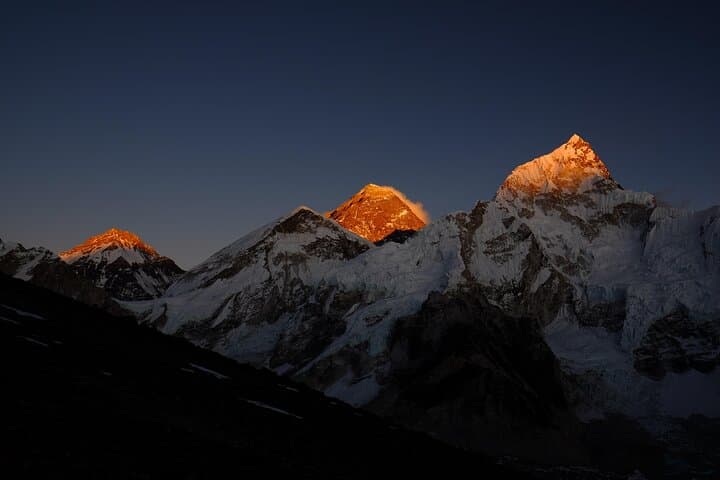
Fly into Lukla and step from Kathmandu’s bustle into high Himalayan terrain on a private 14‑day trek to Everest Base Camp and Kala Patthar. Expect long days on rocky trails, Sherpa hospitality in tea houses, and sunrise views over Everest.
Fly into Lukla and step from Kathmandu’s bustle into high Himalayan terrain on a private 14‑day trek to Everest Base Camp and Kala Patthar. Expect long days on rocky trails, Sherpa hospitality in tea houses, and sunrise views over Everest.
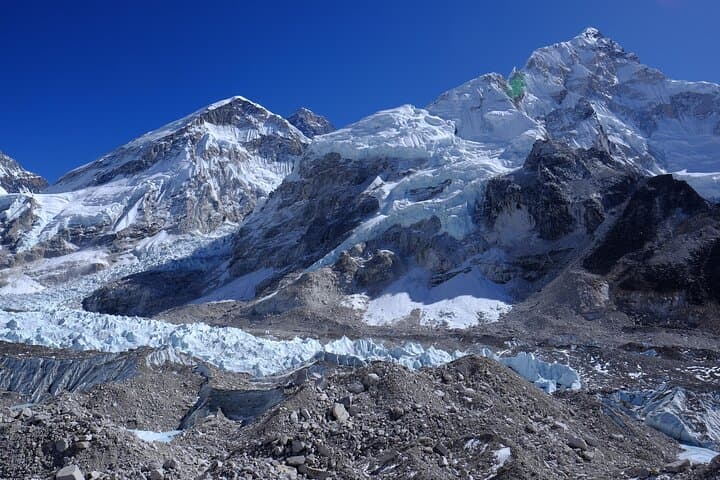
Morning light splits the high ridgelines as you lift off from Kathmandu—a stitched mosaic of terraced fields and Himalayan foothills shrinking beneath the plane. By the time the runway at Lukla comes into view, the mountains have already begun to assert themselves: jagged, immediate, and uncompromising. This private 14‑day trek moves you from Thamel's busy streets into Sagarmatha National Park, over suspension bridges and through Sherpa villages, to the stony plain of Everest Base Camp and the dawn summit of Kala Patthar.
Verified experiences and guided adventures in the surrounding area.
Operated by Yolo Hike · Kathmandu, Bagmati Province
Morning light splits the high ridgelines as you lift off from Kathmandu—a stitched mosaic of terraced fields and Himalayan foothills shrinking beneath the plane. By the time the runway at Lukla comes into view, the mountains have already begun to assert themselves: jagged, immediate, and uncompromising. This private 14‑day trek moves you from Thamel's busy streets into Sagarmatha National Park, over suspension bridges and through Sherpa villages, to the stony plain of Everest Base Camp and the dawn summit of Kala Patthar.
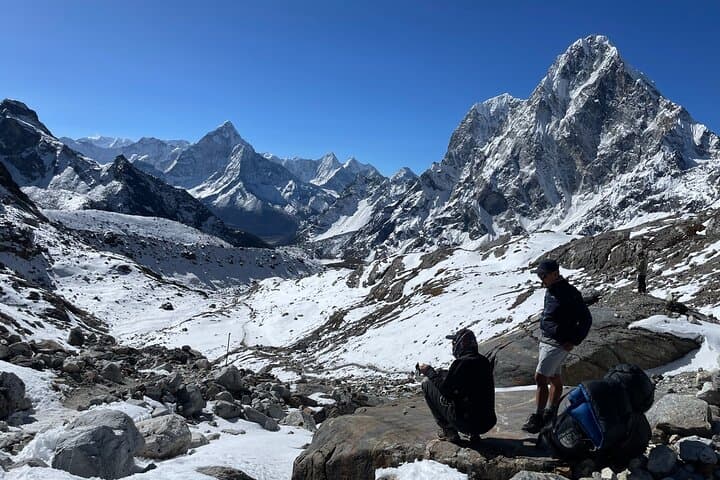
Sagarmatha National Park, created in 1976 and a UNESCO site since 1979, protects glaciers, alpine meadows and cultural sites maintained by Sherpa communities. Geology here is dramatic: uplifted metamorphic rock and moraine fields carved by millennia of glaciers. Cultural life centers on Buddhist monasteries—Tengboche offers prayer wheels and high‑altitude devotion with views that hold Ama Dablam like a guardian.
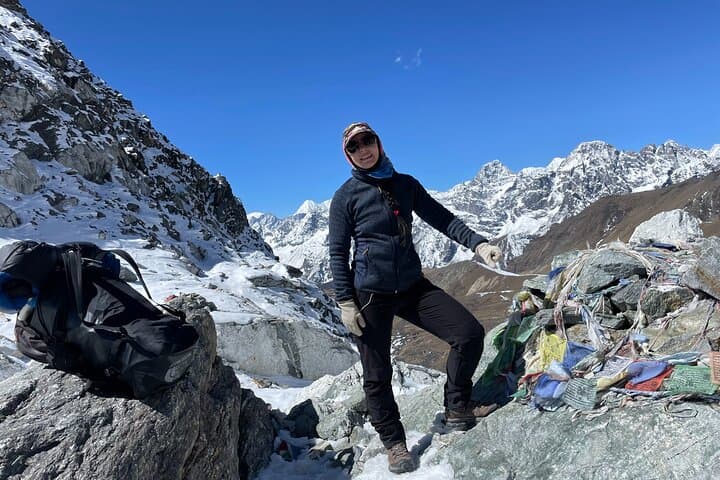
Expect 10–12 days of trekking on trails that range from packed stone steps and rhododendron slopes to loose, rocky high‑altitude scree. The route climbs from Lukla (~2,860 m) to Kala Patthar (~5,545 m) with a cumulative ascent of roughly 3,000–3,500 m and total walking distance in the range of 100–140 km round trip, depending on small detours. Trails can be icy, winds can bite, and thin air will change your pace.
Practical essentials: prioritize acclimatization days, light layers with an insulated midlayer, sturdy waterproof boots, and plan flights to Lukla with buffer days for weather delays. Hydrate, walk conservatively, and follow your guide’s schedule—altitude is the variable that determines success.
challenging.
14 days.
High aerobic fitness with experience on multiday hikes; ability to walk 5–8 hours a day with a light daypack.
Daily hiking ranges 3–8 hours; some days include short steep sections and others long uphill approaches—your guide sets pace based on group fitness and altitude.
No technical climbing experience required, but prior multiday trekking and good cardiovascular fitness greatly improve comfort and safety.
Guides are trained to monitor symptoms; standard response includes rest, descent if symptoms progress, and access to oxygen and evacuation procedures when necessary.
You’ll stay in tea‑houses (shared twin rooms) with basic private bathroom options in some villages; expect simple food, warm communal spaces and charging for electronics at a fee.
The route runs through Sagarmatha National Park, established 1976; Sherpa communities here have traded yak caravans for trekking services across generations.
Support local tea houses, minimize plastic waste, stay on designated trails, and follow park rules—these practices help protect fragile alpine ecosystems and the livelihoods of Sherpa villages.
Yolo Hike operates guided outdoor trips and adventures with an emphasis on safety, stewardship, and memorable experiences.
Morning light splits the high ridgelines as you lift off from Kathmandu—a stitched mosaic of terraced fields and Himalayan foothills shrinking beneath the plane. By the time the runway at Lukla comes into view, the mountains have already begun to assert themselves: jagged, immediate, and uncompromising. This private 14‑day trek moves you from Thamel's busy streets into Sagarmatha National Park, over suspension bridges and through Sherpa villages, to the stony plain of Everest Base Camp and the dawn summit of Kala Patthar.
Morning light splits the high ridgelines as you lift off from Kathmandu—a stitched mosaic of terraced fields and Himalayan foothills shrinking beneath the plane. By the time the runway at Lukla comes into view, the mountains have already begun to assert themselves: jagged, immediate, and uncompromising. This private 14‑day trek moves you from Thamel's busy streets into Sagarmatha National Park, over suspension bridges and through Sherpa villages, to the stony plain of Everest Base Camp and the dawn summit of Kala Patthar.
Sagarmatha National Park, created in 1976 and a UNESCO site since 1979, protects glaciers, alpine meadows and cultural sites maintained by Sherpa communities. Geology here is dramatic: uplifted metamorphic rock and moraine fields carved by millennia of glaciers. Cultural life centers on Buddhist monasteries—Tengboche offers prayer wheels and high‑altitude devotion with views that hold Ama Dablam like a guardian.
Expect 10–12 days of trekking on trails that range from packed stone steps and rhododendron slopes to loose, rocky high‑altitude scree. The route climbs from Lukla (~2,860 m) to Kala Patthar (~5,545 m) with a cumulative ascent of roughly 3,000–3,500 m and total walking distance in the range of 100–140 km round trip, depending on small detours. Trails can be icy, winds can bite, and thin air will change your pace.
Practical essentials: prioritize acclimatization days, light layers with an insulated midlayer, sturdy waterproof boots, and plan flights to Lukla with buffer days for weather delays. Hydrate, walk conservatively, and follow your guide’s schedule—altitude is the variable that determines success.