THE ADVENTURE COLLECTIVE® · Independent discovery and booking for outdoor travel

Fly into Lukla, walk through Sherpa villages and glaciers, and climb to Kala Patthar for a front-row view of Everest. This 12–14 day classic combines rigorous daily stages with crucial acclimatization and vivid cultural encounters.
Fly into Lukla, walk through Sherpa villages and glaciers, and climb to Kala Patthar for a front-row view of Everest. This 12–14 day classic combines rigorous daily stages with crucial acclimatization and vivid cultural encounters.
The plane eases onto Lukla’s tiny runway and the world rearranges itself into crags, prayer flags and thin air. From that nervous landing the trail climbs and folds through rhododendron forests, high meadows and moraine tracks until you stand at Gorak Shep, the last village before the glacier, with Everest’s flanks looming like a living wall.
Verified experiences and guided adventures in the surrounding area.
Operated by Luxury Holidays Nepal Pvt. Ltd. · Gorak Shep, Province No. 1
The plane eases onto Lukla’s tiny runway and the world rearranges itself into crags, prayer flags and thin air. From that nervous landing the trail climbs and folds through rhododendron forests, high meadows and moraine tracks until you stand at Gorak Shep, the last village before the glacier, with Everest’s flanks looming like a living wall.
This route threads modern trekking culture with deep Sherpa history: Namche Bazaar’s trading legacy, Tengboche monastery’s chants and the memory of Sir Edmund Hillary and Tenzing Norgay’s 1953 ascent. Geology shows in every valley—Khumbu Glacier’s moraine, jagged granitic ridges and wind-sculpted seracs tell a story of uplift and ice. Sagarmatha National Park, a UNESCO site, protects both the landscape and a distinctive high-altitude lifestyle.
Practically, expect 12–14 days on trail with daily stages of 4–8 hours, highs approaching 5,545 m on Kala Patthar and variable footing: packed dirt, rock, loose scree and occasional snow. Acclimatization days (Namche, Dingboche) are essential. Permits (TIMS, Sagarmatha NP), domestic flights (Kathmandu–Lukla) and sturdy lodge planning define logistics. Bring a warm down jacket, layered clothing, reliable boots, and a sleeping bag rated for subzero temps; hire experienced guides and porters to speed progress and manage altitude risk.
Weather shifts fast—clear mornings can yield stormy afternoons—so plan buffer days for flight delays. Hydrate, walk slow on the steep approaches, and keep an eye on symptoms of acute mountain sickness. When the sunrise hits Kala Patthar and Everest briefly crowns the sky, the effort turns plain and immediate: this is a trek that tests lungs and steadies perspective.
challenging.
12–14 days.
Good aerobic fitness with prior multi-day hiking experience; comfortable walking 4–8 hours per day with elevation gain.
Yes—trekkers must carry a TIMS card and a Sagarmatha National Park permit, typically arranged by your operator before or on arrival in Lukla/Namche.
Build buffer days into your itinerary; if flights cancel due to weather you may be rebooked or delayed in Kathmandu or Lukla until conditions improve.
Guides are strongly recommended for logistics, acclimatization management and cultural translation; porters reduce load and speed progress but are optional.
Spring (March–May) and autumn (late Sept–Nov) offer the most stable weather and clearer mountain views, though winter is possible for experienced trekkers with cold-weather gear.
The Khumbu has long been inhabited by Sherpa communities who developed high-altitude trade routes; Hillary and Tenzing’s 1953 ascent made the region globally famous.
Sagarmatha National Park is a protected UNESCO site; trekkers should minimize waste, use lodge facilities responsibly and follow local waste-disposal rules to reduce impact.
Luxury Holidays Nepal Pvt. Ltd. operates guided outdoor trips and adventures with an emphasis on safety, stewardship, and memorable experiences.
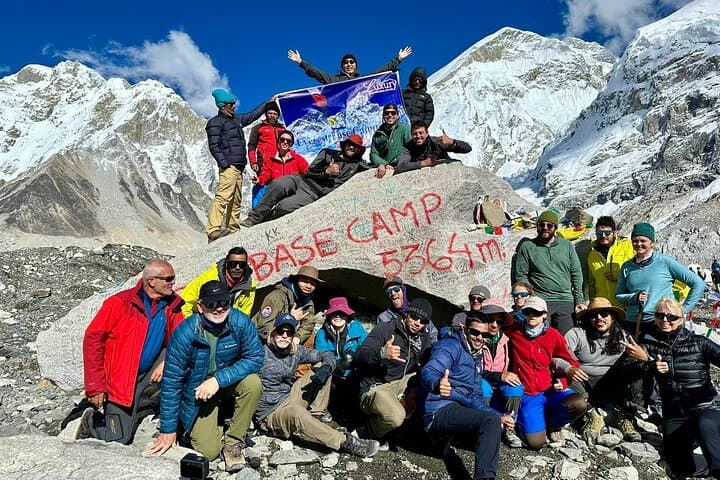
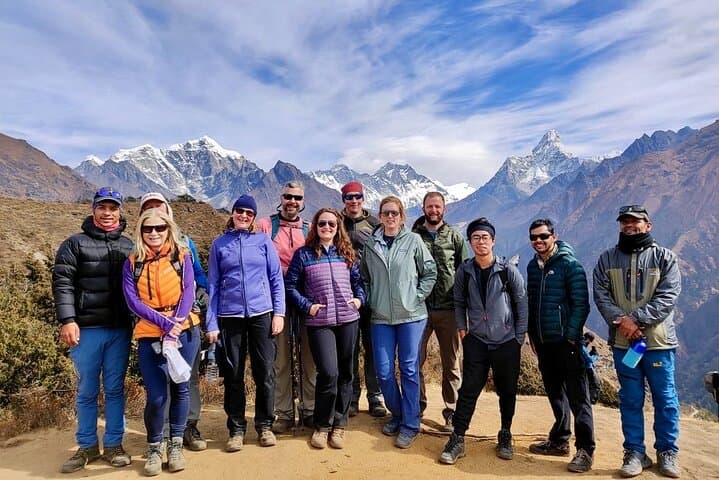
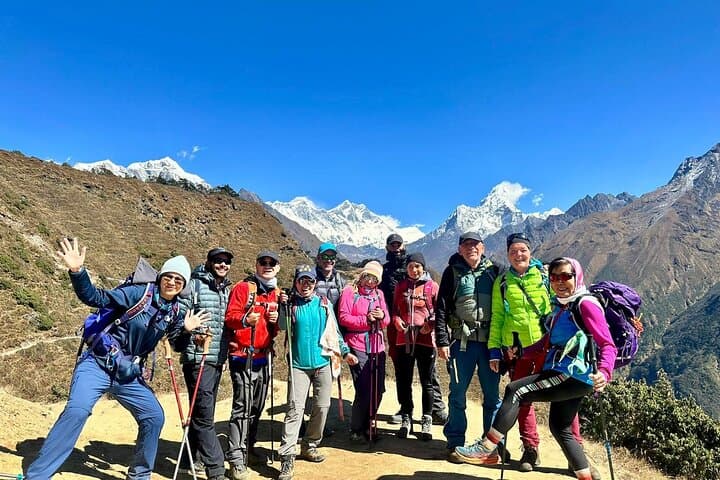
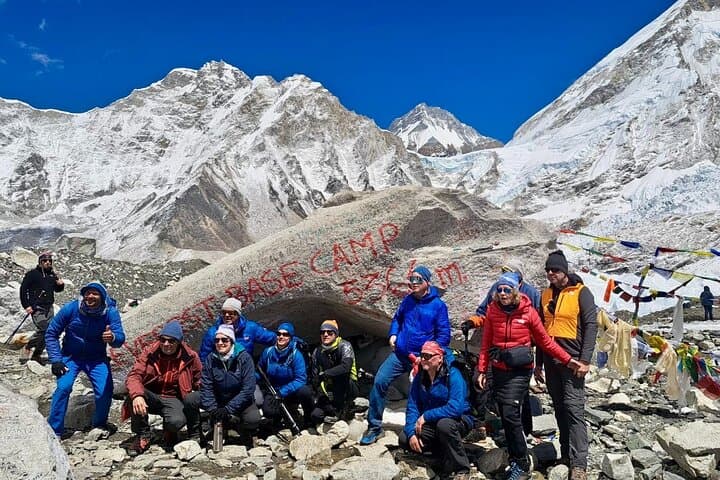
The plane eases onto Lukla’s tiny runway and the world rearranges itself into crags, prayer flags and thin air. From that nervous landing the trail climbs and folds through rhododendron forests, high meadows and moraine tracks until you stand at Gorak Shep, the last village before the glacier, with Everest’s flanks looming like a living wall.
The plane eases onto Lukla’s tiny runway and the world rearranges itself into crags, prayer flags and thin air. From that nervous landing the trail climbs and folds through rhododendron forests, high meadows and moraine tracks until you stand at Gorak Shep, the last village before the glacier, with Everest’s flanks looming like a living wall.
This route threads modern trekking culture with deep Sherpa history: Namche Bazaar’s trading legacy, Tengboche monastery’s chants and the memory of Sir Edmund Hillary and Tenzing Norgay’s 1953 ascent. Geology shows in every valley—Khumbu Glacier’s moraine, jagged granitic ridges and wind-sculpted seracs tell a story of uplift and ice. Sagarmatha National Park, a UNESCO site, protects both the landscape and a distinctive high-altitude lifestyle.
Practically, expect 12–14 days on trail with daily stages of 4–8 hours, highs approaching 5,545 m on Kala Patthar and variable footing: packed dirt, rock, loose scree and occasional snow. Acclimatization days (Namche, Dingboche) are essential. Permits (TIMS, Sagarmatha NP), domestic flights (Kathmandu–Lukla) and sturdy lodge planning define logistics. Bring a warm down jacket, layered clothing, reliable boots, and a sleeping bag rated for subzero temps; hire experienced guides and porters to speed progress and manage altitude risk.
Weather shifts fast—clear mornings can yield stormy afternoons—so plan buffer days for flight delays. Hydrate, walk slow on the steep approaches, and keep an eye on symptoms of acute mountain sickness. When the sunrise hits Kala Patthar and Everest briefly crowns the sky, the effort turns plain and immediate: this is a trek that tests lungs and steadies perspective.