THE ADVENTURE COLLECTIVE® · Independent discovery and booking for outdoor travel

A 14-day trek from Lukla to Everest Base Camp and Kala Patthar that combines high-altitude panoramas, Sherpa culture, and glacier-sculpted terrain. This guide outlines what to expect—terrain, permits, acclimatization, and practical tips to prepare for the Khumbu.
A 14-day trek from Lukla to Everest Base Camp and Kala Patthar that combines high-altitude panoramas, Sherpa culture, and glacier-sculpted terrain. This guide outlines what to expect—terrain, permits, acclimatization, and practical tips to prepare for the Khumbu.
You feel the plane drop into Lukla and the mountains close in—stone-dusted ridges jutting above a stitched patchwork of villages, prayer flags snapping like small proclamations of arrival.
Verified experiences and guided adventures in the surrounding area.
Operated by Travel Max Guide · Lukla, Province No. 1
You feel the plane drop into Lukla and the mountains close in—stone-dusted ridges jutting above a stitched patchwork of villages, prayer flags snapping like small proclamations of arrival.
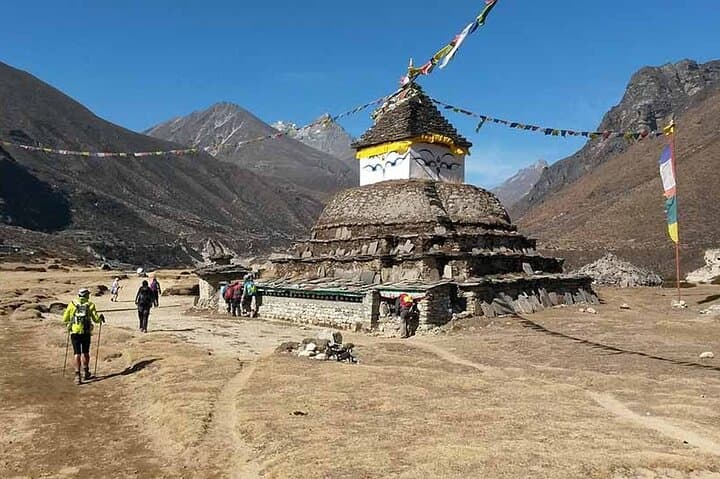
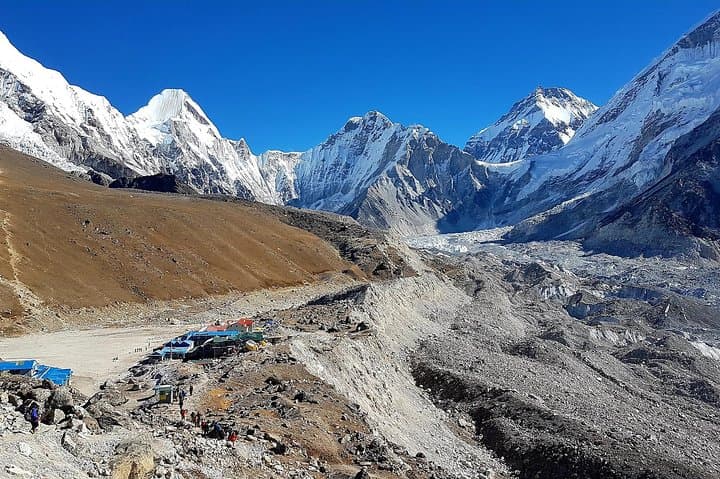
Across 14 days the trail pushes through rhododendron forests, along the Dudh Koshi that dares you to keep pace, and up onto the glacier-carved moraines that guard the Khumbu. Geologically, this route traces the southern flank of the Mahalangur Himal: sedimentary folds give way to granite spines and the slow-carved terminal moraine of the Khumbu Glacier. Culturally, it moves through Sherpa communities where mani walls, chortens, and Tengboche Monastery mark spiritual waypoints; Sagarmatha National Park—Nepal’s high-altitude preserve and a UNESCO site—frames both natural and human history.
Practically, expect long days of 4–8 hours on rocky, often-steep trails with daily gains that can range from 200–900 m. Lodges/teahouses provide full-board meals and basic bunk-style rooms; water is available but should be treated or boiled. Acclimatization days at Namche and Dingboche are built into the itinerary—respect them. Flights to/from Lukla are spectacular but weather-dependent; plan extra buffer days before international departures.
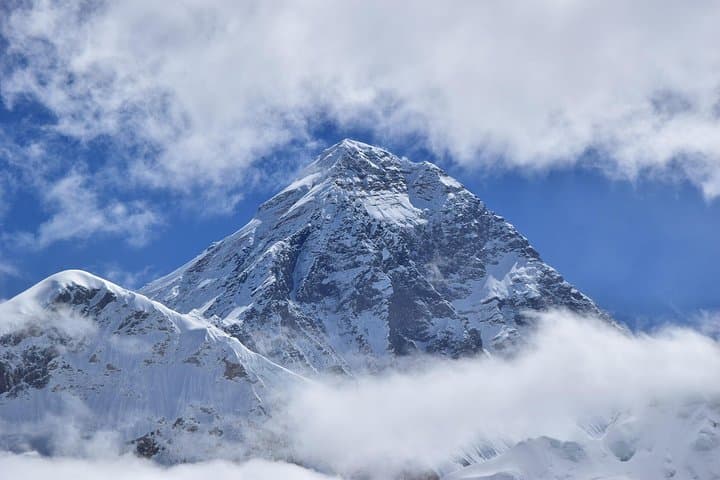
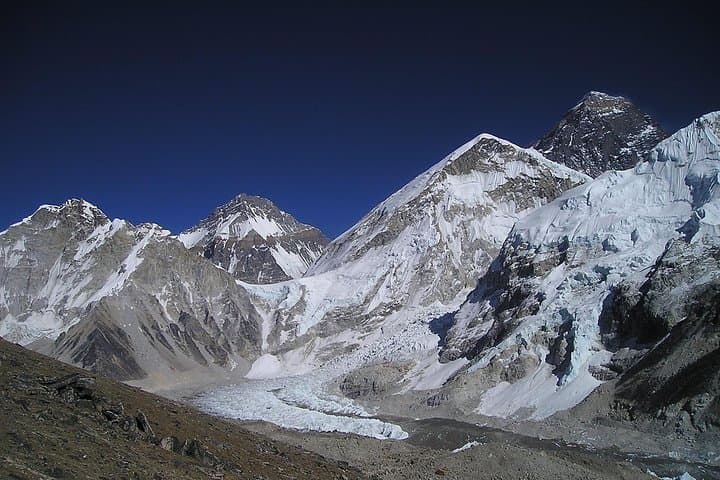
Bring layered insulation, sturdy boots, and a water treatment system; train with long hikes and elevation gain beforehand. Permits (Sagarmatha National Park, TIMS) are required; a certified guide is strongly recommended. On clear mornings, Kala Patthar rewards the early climb with a 360° panorama of Everest and its great neighbors—an earned, high-altitude payoff.
challenging.
12–14 days.
Prepare with long hikes and stair or treadmill sessions focusing on sustained elevation gain; good cardiovascular fitness and leg strength required.
No—EBC is a high-altitude trek that requires fitness and acclimatization but not technical mountaineering skills.
You need a Sagarmatha National Park permit and a TIMS card; these are usually arranged by your operator or guide.
Spring (March–May) and autumn (September–November) offer the most stable weather, clearer views, and warmer daytime temperatures.
Lukla flights are routine but weather-dependent; pilots are experienced, and operators monitor conditions closely—expect occasional delays or rebookings.
The Khumbu has been inhabited by Sherpa communities for centuries; trade and Buddhist practice shaped village life, and the area became internationally significant after early 20th-century mountaineering expeditions.
Sagarmatha National Park is fragile—stay on trails, pack out waste where possible, and minimize single-use plastics to reduce impact at high altitude.
Travel Max Guide operates guided outdoor trips and adventures with an emphasis on safety, stewardship, and memorable experiences.
You feel the plane drop into Lukla and the mountains close in—stone-dusted ridges jutting above a stitched patchwork of villages, prayer flags snapping like small proclamations of arrival.
You feel the plane drop into Lukla and the mountains close in—stone-dusted ridges jutting above a stitched patchwork of villages, prayer flags snapping like small proclamations of arrival.
Across 14 days the trail pushes through rhododendron forests, along the Dudh Koshi that dares you to keep pace, and up onto the glacier-carved moraines that guard the Khumbu. Geologically, this route traces the southern flank of the Mahalangur Himal: sedimentary folds give way to granite spines and the slow-carved terminal moraine of the Khumbu Glacier. Culturally, it moves through Sherpa communities where mani walls, chortens, and Tengboche Monastery mark spiritual waypoints; Sagarmatha National Park—Nepal’s high-altitude preserve and a UNESCO site—frames both natural and human history.
Practically, expect long days of 4–8 hours on rocky, often-steep trails with daily gains that can range from 200–900 m. Lodges/teahouses provide full-board meals and basic bunk-style rooms; water is available but should be treated or boiled. Acclimatization days at Namche and Dingboche are built into the itinerary—respect them. Flights to/from Lukla are spectacular but weather-dependent; plan extra buffer days before international departures.
Bring layered insulation, sturdy boots, and a water treatment system; train with long hikes and elevation gain beforehand. Permits (Sagarmatha National Park, TIMS) are required; a certified guide is strongly recommended. On clear mornings, Kala Patthar rewards the early climb with a 360° panorama of Everest and its great neighbors—an earned, high-altitude payoff.