THE ADVENTURE COLLECTIVE® · Independent discovery and booking for outdoor travel

A classic high-altitude trek through Sagarmatha National Park, the Everest Base Camp route delivers glacier views, Sherpa culture and a demanding climb to Kala Patthar. Expect long days, altitude challenges and unforgettable mountain panoramas.
A classic high-altitude trek through Sagarmatha National Park, the Everest Base Camp route delivers glacier views, Sherpa culture and a demanding climb to Kala Patthar. Expect long days, altitude challenges and unforgettable mountain panoramas.
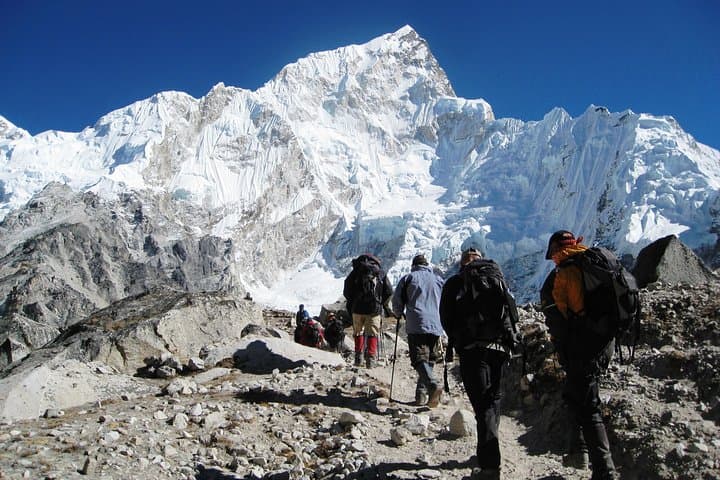
The morning over Lukla is thin and bright; prayer flags ripple across ridgelines while the first light pins Everest’s north face into stark relief. You step off the plane into a landscape that alternates between terraced Sherpa villages, rhododendron forests, and moraine fields that seem to push the glacier forward. The trail climbs in earnest after Namche Bazaar, negotiating switchbacks, rivers and stone stairways toward Gorakshep and the final approach to Base Camp.
Verified experiences and guided adventures in the surrounding area.
Operated by Himalayan Smile Treks and Adventure Pvt. Ltd · Lukla, Koshi Province
The morning over Lukla is thin and bright; prayer flags ripple across ridgelines while the first light pins Everest’s north face into stark relief. You step off the plane into a landscape that alternates between terraced Sherpa villages, rhododendron forests, and moraine fields that seem to push the glacier forward. The trail climbs in earnest after Namche Bazaar, negotiating switchbacks, rivers and stone stairways toward Gorakshep and the final approach to Base Camp.
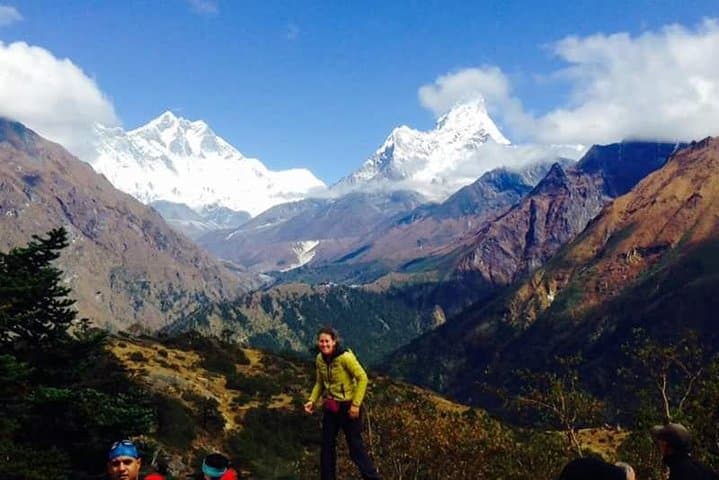
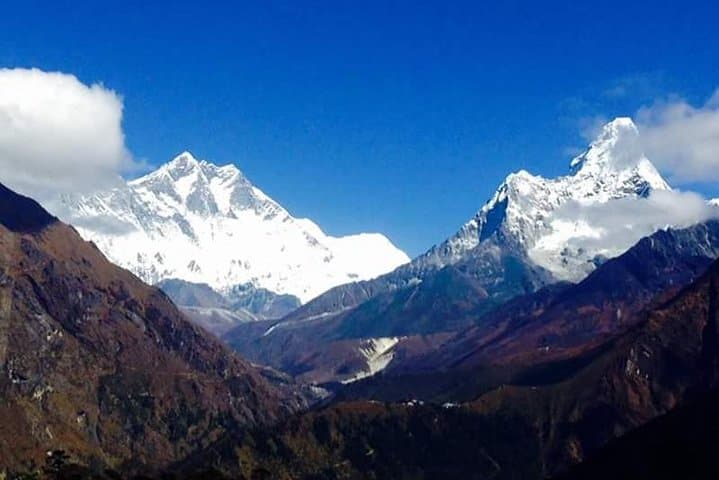
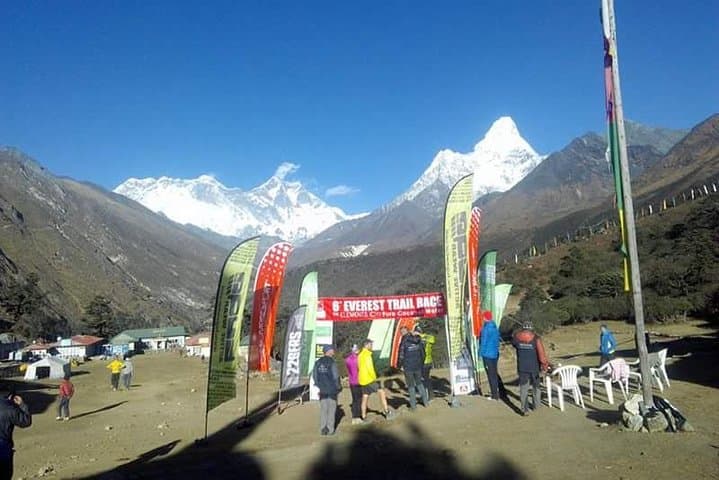
This trek threads through Sagarmatha National Park, a UNESCO-protected area whose glaciers and moraine fields record millennia of uplift and freeze. Sherpa culture is visible in mani walls, monasteries and teahouses; Tengboche Monastery offers a living window into Himalayan Buddhist practice and seasonal festivals. Geologically, the route follows valleys carved by the Khumbu Glacier, with views of Ama Dablam’s fluted ridges and Lhotse’s massive face.
Practically: expect roughly 110–130 km total walking from Lukla roundtrip, sleeping between 2,800 m and 5,140 m with final vantage points at Kala Patthar (≈5,545 m) and Base Camp (≈5,380 m). Acclimatization days in Namche and Dingboche are essential; altitude sickness is the primary risk, not technical terrain. Trails are rocky, sometimes icy, and teahouse accommodations vary from basic to comfortable. Flights to/from Lukla are weather-dependent, so build buffer days.
Bring layered clothing, sturdy boots, sun protection and a good hydration system. Move steadily, respect rest days, and carry cash for teahouses. The payoff—close-range glacier panoramas and a sunrise on Kala Patthar—rewards careful preparation.
challenging.
12–14 days.
Good cardiovascular fitness and endurance for repeated uphill days at altitude; regular hiking or stair training recommended.
The route is non-technical—no climbing gear required—but it is physically demanding due to steep ascents and high elevation.
Yes. Sagarmatha National Park permit and Khumbu Pasang Lhamu Rural Municipality TIMS are required; guides or agencies typically handle these for you.
Spring (March–May) and fall (September–November) offer the clearest views and best trail conditions; monsoon brings clouds and leeches, winter brings extreme cold.
Many fit trekkers can reach EBC, but altitude tolerance varies—anyone with cardiovascular issues or pregnancy should not attempt it without medical clearance.
The Khumbu region has long been inhabited by Sherpa communities and came to global attention during 20th-century Everest expeditions; Sagarmatha National Park was established in 1976 and is UNESCO-listed.
Trails and teahouses strain under seasonal visitation—pack out waste when possible, use local services to support the economy, and follow park rules to limit impact.
Himalayan Smile Treks and Adventure Pvt. Ltd operates guided outdoor trips and adventures with an emphasis on safety, stewardship, and memorable experiences.
The morning over Lukla is thin and bright; prayer flags ripple across ridgelines while the first light pins Everest’s north face into stark relief. You step off the plane into a landscape that alternates between terraced Sherpa villages, rhododendron forests, and moraine fields that seem to push the glacier forward. The trail climbs in earnest after Namche Bazaar, negotiating switchbacks, rivers and stone stairways toward Gorakshep and the final approach to Base Camp.
The morning over Lukla is thin and bright; prayer flags ripple across ridgelines while the first light pins Everest’s north face into stark relief. You step off the plane into a landscape that alternates between terraced Sherpa villages, rhododendron forests, and moraine fields that seem to push the glacier forward. The trail climbs in earnest after Namche Bazaar, negotiating switchbacks, rivers and stone stairways toward Gorakshep and the final approach to Base Camp.
This trek threads through Sagarmatha National Park, a UNESCO-protected area whose glaciers and moraine fields record millennia of uplift and freeze. Sherpa culture is visible in mani walls, monasteries and teahouses; Tengboche Monastery offers a living window into Himalayan Buddhist practice and seasonal festivals. Geologically, the route follows valleys carved by the Khumbu Glacier, with views of Ama Dablam’s fluted ridges and Lhotse’s massive face.
Practically: expect roughly 110–130 km total walking from Lukla roundtrip, sleeping between 2,800 m and 5,140 m with final vantage points at Kala Patthar (≈5,545 m) and Base Camp (≈5,380 m). Acclimatization days in Namche and Dingboche are essential; altitude sickness is the primary risk, not technical terrain. Trails are rocky, sometimes icy, and teahouse accommodations vary from basic to comfortable. Flights to/from Lukla are weather-dependent, so build buffer days.
Bring layered clothing, sturdy boots, sun protection and a good hydration system. Move steadily, respect rest days, and carry cash for teahouses. The payoff—close-range glacier panoramas and a sunrise on Kala Patthar—rewards careful preparation.