THE ADVENTURE COLLECTIVE® · Independent discovery and booking for outdoor travel

A 14-day high-altitude trek from Lukla to Kala Patthar and Everest Base Camp, this route combines Sherpa culture, glacier terrain and sustained elevation gain. Plan for acclimatization days, weather-delayed flights, and basic teahouse accommodations.
A 14-day high-altitude trek from Lukla to Kala Patthar and Everest Base Camp, this route combines Sherpa culture, glacier terrain and sustained elevation gain. Plan for acclimatization days, weather-delayed flights, and basic teahouse accommodations.
Dawn breaks over the Sherpa villages as a small plane slips down to Lukla, and the trail unfurls north along the Dudh Koshi—steep stone steps, rhododendron forests, and suspension bridges setting the pace.
Verified experiences and guided adventures in the surrounding area.
Operated by Himalayan Adventure Treks and Tours Pvt Ltd · Lukla, Solukhumbu
Dawn breaks over the Sherpa villages as a small plane slips down to Lukla, and the trail unfurls north along the Dudh Koshi—steep stone steps, rhododendron forests, and suspension bridges setting the pace.
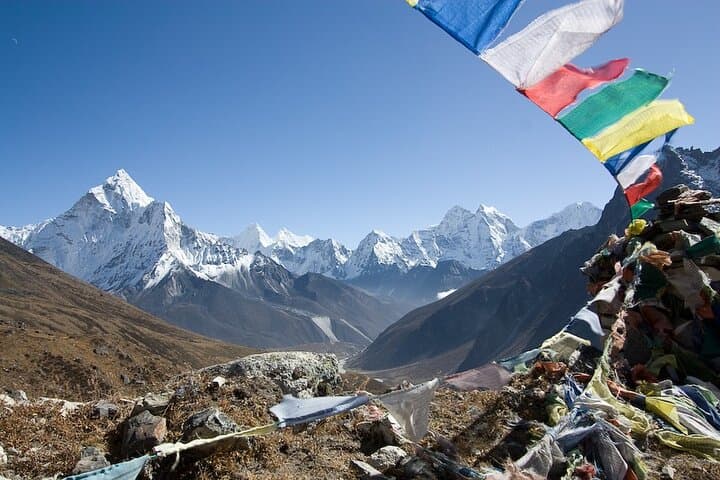
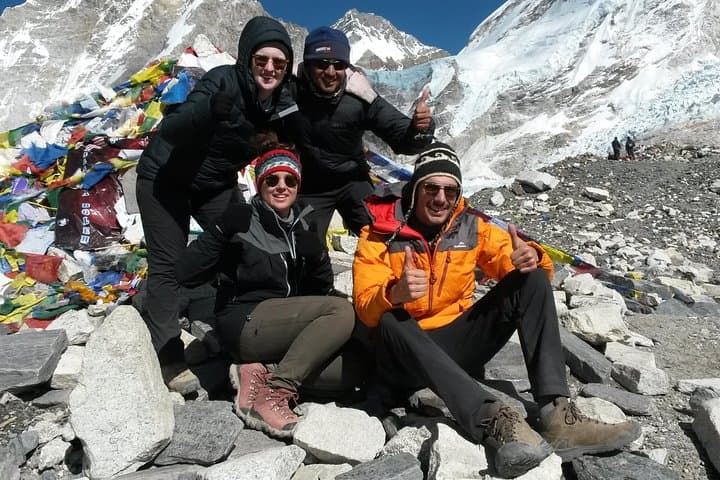
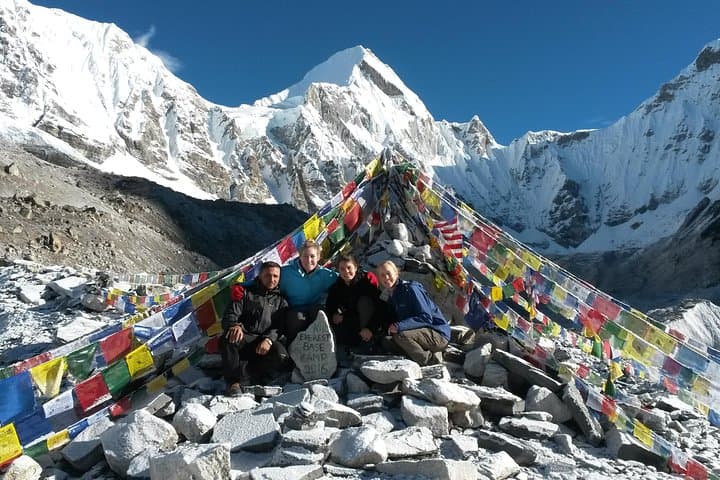
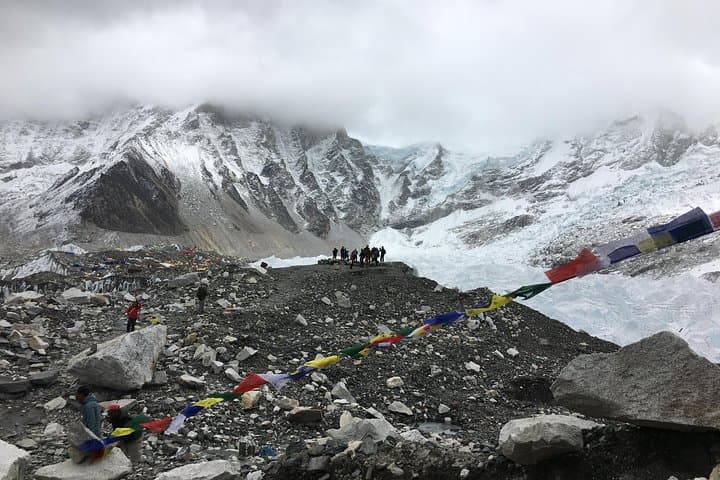
This 14-day trek threads through Sagarmatha National Park, a UNESCO-protected landscape carved by the Khumbu Glacier. Geology here reads like a slow-motion story: polished moraine, crevassed ice near Gorakshep, and the serrated ridgelines that frame Everest. Centuries of Sherpa settlement give the route its human heartbeat—monasteries at Tengboche send prayer flags into the wind, and Khumjung preserves local traditions and Hillary-era stories.
Expect 4–7 hours of walking on most travel days, with key altitude gains: Namche Bazaar (3,446m), Dingboche (4,360m), Lobuche (4,910m), Gorakshep (5,160m) and Kala Patthar (5,545m) for the classic sunrise panorama. Terrain alternates packed dirt, rocky switchbacks and glacier moraine; weather can shift from sun to wind-driven snow in hours.
Practically: permits (TIMS and Sagarmatha fees) are required and usually handled by outfitters. Acclimatization days at Namche and Dingboche are non-negotiable—move slowly, stay hydrated, and monitor symptoms of AMS. Flights to Lukla are weather-dependent; plan buffer days for inbound/outbound flights.
Lodging is in teahouses—simple rooms, communal meals—so carry layered insulation, good boots, and a trusted sleeping bag. The reward is visceral: close-up Himalayan faces, silent glacial bowls, and the raw relief on reaching Kala Patthar as Everest finally steps forward into view.
challenging.
14 days.
Good cardiovascular fitness and experience with multi-day hiking; ability to hike 4–7 hours with pack at altitude.
Yes—TIMS (Trekkers' Information Management System) and Sagarmatha National Park entry fees are required; reputable operators usually handle these.
The trek is challenging due to sustained altitude and daily gains; walkers should be comfortable hiking several hours a day and follow acclimatization protocols.
Children over the minimum age (commonly 8) can join, but families should consider altitude risks and the child's hiking experience and resilience.
Operators typically reschedule flights and provide alternative accommodation in Kathmandu or Lukla; plan extra buffer days to avoid missing connections.
This corridor is central to modern mountaineering history and Sherpa culture; Sagarmatha National Park was established in 1976 and later recognized by UNESCO.
Respect park rules: pack out non-biodegradable waste, minimize single-use plastics, and support local teahouses and porters fairly.
Himalayan Adventure Treks and Tours Pvt Ltd operates guided outdoor trips and adventures with an emphasis on safety, stewardship, and memorable experiences.
Dawn breaks over the Sherpa villages as a small plane slips down to Lukla, and the trail unfurls north along the Dudh Koshi—steep stone steps, rhododendron forests, and suspension bridges setting the pace.
Dawn breaks over the Sherpa villages as a small plane slips down to Lukla, and the trail unfurls north along the Dudh Koshi—steep stone steps, rhododendron forests, and suspension bridges setting the pace.
This 14-day trek threads through Sagarmatha National Park, a UNESCO-protected landscape carved by the Khumbu Glacier. Geology here reads like a slow-motion story: polished moraine, crevassed ice near Gorakshep, and the serrated ridgelines that frame Everest. Centuries of Sherpa settlement give the route its human heartbeat—monasteries at Tengboche send prayer flags into the wind, and Khumjung preserves local traditions and Hillary-era stories.
Expect 4–7 hours of walking on most travel days, with key altitude gains: Namche Bazaar (3,446m), Dingboche (4,360m), Lobuche (4,910m), Gorakshep (5,160m) and Kala Patthar (5,545m) for the classic sunrise panorama. Terrain alternates packed dirt, rocky switchbacks and glacier moraine; weather can shift from sun to wind-driven snow in hours.
Practically: permits (TIMS and Sagarmatha fees) are required and usually handled by outfitters. Acclimatization days at Namche and Dingboche are non-negotiable—move slowly, stay hydrated, and monitor symptoms of AMS. Flights to Lukla are weather-dependent; plan buffer days for inbound/outbound flights.
Lodging is in teahouses—simple rooms, communal meals—so carry layered insulation, good boots, and a trusted sleeping bag. The reward is visceral: close-up Himalayan faces, silent glacial bowls, and the raw relief on reaching Kala Patthar as Everest finally steps forward into view.