THE ADVENTURE COLLECTIVE® · Independent discovery and booking for outdoor travel

A classic high-altitude journey through Sagarmatha National Park, the Everest Base Camp trek mixes steep passes, glacier views and Sherpa villages. This 12–14 day guide covers what to expect on trail, permits, gear and acclimatization essentials.
A classic high-altitude journey through Sagarmatha National Park, the Everest Base Camp trek mixes steep passes, glacier views and Sherpa villages. This 12–14 day guide covers what to expect on trail, permits, gear and acclimatization essentials.
A thin, cold sunlight slides across a rough stone path as you step out of a low-ceilinged teahouse into the high Khumbu air. The trail climbs past prayer flags and terraced slopes, each breath sharper, each view opening into serrated ridgelines and glaciers that dare you to keep moving.
Verified experiences and guided adventures in the surrounding area.
Operated by Nepal Alibaba Treks & Tours Pvt. Ltd · Lukla, Province No. 1
A thin, cold sunlight slides across a rough stone path as you step out of a low-ceilinged teahouse into the high Khumbu air. The trail climbs past prayer flags and terraced slopes, each breath sharper, each view opening into serrated ridgelines and glaciers that dare you to keep moving.
The route follows long-used Sherpa trade paths through Sagarmatha National Park, a UNESCO World Heritage site since 1979. Geologically the valley is young—steep uplift, exposed moraine, and glacial sculpting reveal the Himalaya’s active rise. Villages like Namche, Tengboche and Lobuche are living pages of Sherpa culture: mani walls, gompas, and tea-house hospitality that anchor the route.
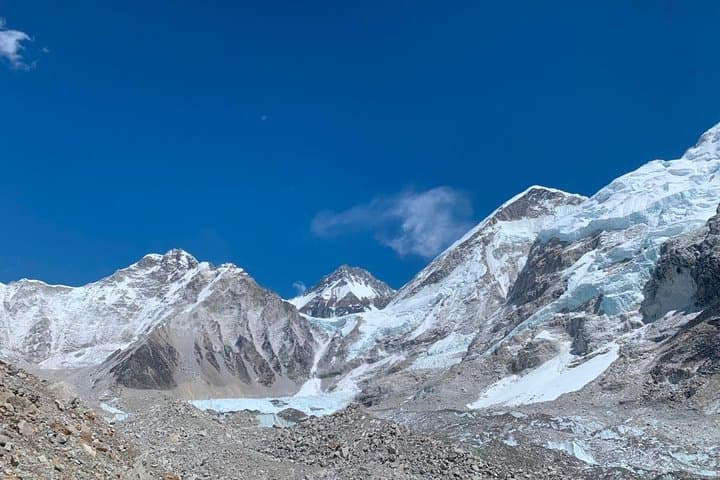
Expect roughly 130 km round-trip from Lukla with total elevation gain around 2,500–2,600 m; highest habitual stops are Gorak Shep and Everest Base Camp area at ~5,360 m. Terrain alternates packed dirt, stone staircases and loose moraine; daily hiking is typically 4–7 hours with critical acclimatization days.
Plan for altitude more than technical difficulty: the trail requires stamina, pacing, and vigilance for acute mountain sickness. Permits (Sagarmatha National Park and TIMS) and a local guide are standard; flights into Lukla start the trek. Hydrate, layer for wide temperature swings, and carry cash—teahouses accept little else.
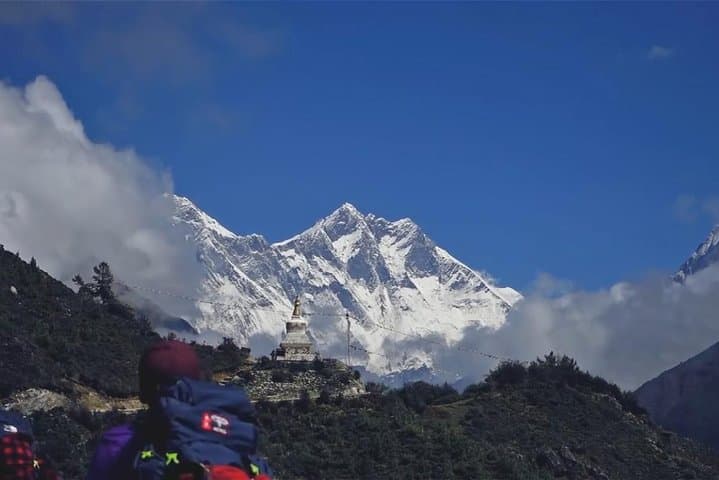
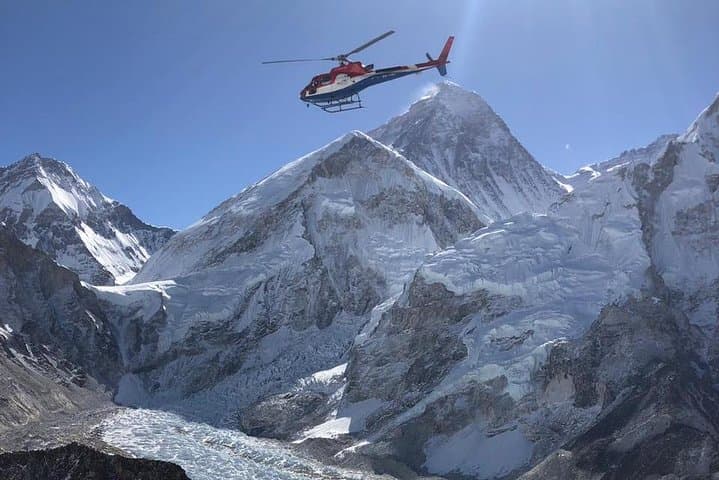
The payoff is immediate: glass-clear dawn views of Everest, Lhotse and Ama Dablam, and evenings trading stories with Sherpa hosts. Move deliberately, respect local systems for waste and water, and you’ll leave with the high-country rhythm and a clear sense of why this route remains the world’s defining trek.
challenging.
12–14 days.
Good aerobic fitness and the ability to hike 4–7 hours per day carrying a daypack; prior multi-day hiking experience recommended
Pre-monsoon (March–May) and autumn (late September–November) offer the most stable weather, clearer views and busy but well-serviced teahouses.
Yes—Sagarmatha National Park permit and a TIMS card are required; these are typically arranged in Kathmandu or through your guide operator.
The trail is not technical—no climbing gear required—but altitude makes it physically demanding; proper pacing and acclimatization matter most.
Simple teahouses provide shared or private rooms, hot meals and basic facilities; expect modest comforts and higher prices the farther up you go.
The trail traces centuries-old Sherpa and Tibetan trade routes; Sagarmatha National Park was established in 1976 and recognized by UNESCO in 1979.
Trail erosion and waste are ongoing issues—use local guides, carry out non-biodegradable trash, and support teahouses that follow water- and waste-management practices.
Nepal Alibaba Treks & Tours Pvt. Ltd operates guided outdoor trips and adventures with an emphasis on safety, stewardship, and memorable experiences.
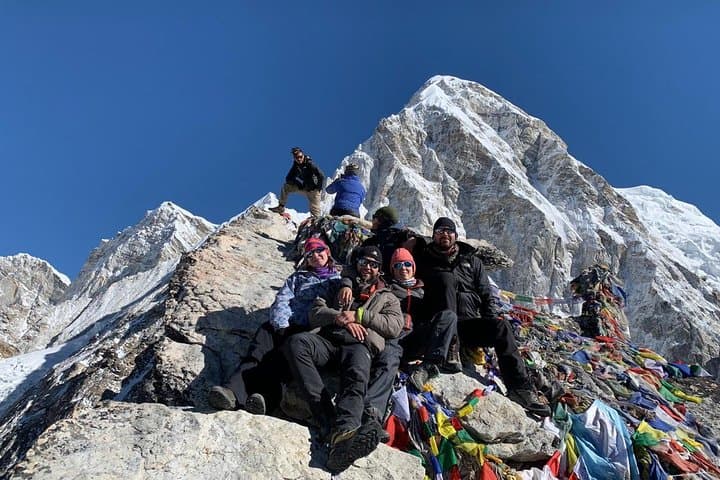
A thin, cold sunlight slides across a rough stone path as you step out of a low-ceilinged teahouse into the high Khumbu air. The trail climbs past prayer flags and terraced slopes, each breath sharper, each view opening into serrated ridgelines and glaciers that dare you to keep moving.
A thin, cold sunlight slides across a rough stone path as you step out of a low-ceilinged teahouse into the high Khumbu air. The trail climbs past prayer flags and terraced slopes, each breath sharper, each view opening into serrated ridgelines and glaciers that dare you to keep moving.
The route follows long-used Sherpa trade paths through Sagarmatha National Park, a UNESCO World Heritage site since 1979. Geologically the valley is young—steep uplift, exposed moraine, and glacial sculpting reveal the Himalaya’s active rise. Villages like Namche, Tengboche and Lobuche are living pages of Sherpa culture: mani walls, gompas, and tea-house hospitality that anchor the route.
Expect roughly 130 km round-trip from Lukla with total elevation gain around 2,500–2,600 m; highest habitual stops are Gorak Shep and Everest Base Camp area at ~5,360 m. Terrain alternates packed dirt, stone staircases and loose moraine; daily hiking is typically 4–7 hours with critical acclimatization days.
Plan for altitude more than technical difficulty: the trail requires stamina, pacing, and vigilance for acute mountain sickness. Permits (Sagarmatha National Park and TIMS) and a local guide are standard; flights into Lukla start the trek. Hydrate, layer for wide temperature swings, and carry cash—teahouses accept little else.
The payoff is immediate: glass-clear dawn views of Everest, Lhotse and Ama Dablam, and evenings trading stories with Sherpa hosts. Move deliberately, respect local systems for waste and water, and you’ll leave with the high-country rhythm and a clear sense of why this route remains the world’s defining trek.