THE ADVENTURE COLLECTIVE® · Independent discovery and booking for outdoor travel

A high-altitude trek through the Khumbu to Everest Base Camp offers dramatic ice-sculpted views, Sherpa culture, and rigorous acclimatization days. This practical guide outlines what to expect on the standard 14-day route and how to prepare.
A high-altitude trek through the Khumbu to Everest Base Camp offers dramatic ice-sculpted views, Sherpa culture, and rigorous acclimatization days. This practical guide outlines what to expect on the standard 14-day route and how to prepare.
You arrive off a small Ramechap-Lukla flight with the plane disgorging hikers and wind as if the mountains themselves are testing your intent. Trails climb through rhododendron forests, cross bridges that swing over rivers daring you onward, and open onto high villages where prayer flags pull at the sky. By late afternoon, tea-house terraces frame the first views of ice and rock; by night, the air pinches cold and clear.
Verified experiences and guided adventures in the surrounding area.
Operated by Nepal Hiking Team · Lukla, Province No. 1
You arrive off a small Ramechap-Lukla flight with the plane disgorging hikers and wind as if the mountains themselves are testing your intent. Trails climb through rhododendron forests, cross bridges that swing over rivers daring you onward, and open onto high villages where prayer flags pull at the sky. By late afternoon, tea-house terraces frame the first views of ice and rock; by night, the air pinches cold and clear.
The Khumbu has been a trading and spiritual corridor for centuries. Sagarmatha (Everest) National Park—one of Nepal's first protected areas—preserves glacial valleys and Sherpa culture: mani walls, gompas, and yak caravans that still move goods along ancient tracks. Geologically, the route threads moraines and glacial outwash from the high Tibetan plateau, giving way to moraines and boulder fields near Gorakshep and the gravel plain of Base Camp itself.
Practically, expect long days and high passes where altitude, not technical difficulty, is the real challenge. The standard 14-day itinerary stages acclimatization with planned rest hikes at Namche and Dingboche. Lodges provide full-board meals and basic hot showers at selected stops; potable water is sold or treated. Fly in and out via Lukla—weather can delay flights, so build buffer days into your schedule.
Pace yourself: hydrate, eat regularly, and communicate any symptoms of acute mountain sickness. Carry layered clothing, a sleeping bag rated for sub-zero nights, and a small personal first-aid kit. Respect local customs, pack out non-biodegradable waste where possible, and let the mountain keep its silence.
challenging.
14 days.
Good aerobic fitness and experience with multi-day hikes at altitude; able to walk 5–7 hours on hilly terrain for consecutive days.
Yes. Trekkers require a TIMS card and a Sagarmatha National Park permit; guides typically organize permits before departure.
Pre-monsoon (March–May) and post-monsoon (late September–November) offer the most stable weather and clear mountain views.
Altitude is the main risk; follow acclimatization days, ascend slowly, stay hydrated, and descend immediately if severe symptoms appear—guides carry basic medication and oxygen where possible.
Flights are weather-dependent and can be delayed or canceled; plan buffer days and consider alternative return options in case of disruption.
This corridor has long been used by Sherpa traders; Sagarmatha National Park was established in the 1970s and later recognized by UNESCO for its natural and cultural significance.
Trail impacts include litter and human waste; support local lodges, use refillable bottles, and follow Leave No Trace practices to reduce pressure on fragile high-altitude ecosystems.
Nepal Hiking Team operates guided outdoor trips and adventures with an emphasis on safety, stewardship, and memorable experiences.
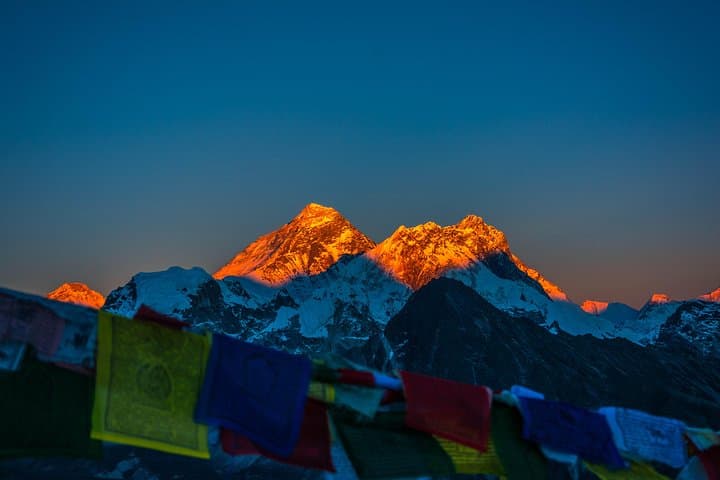
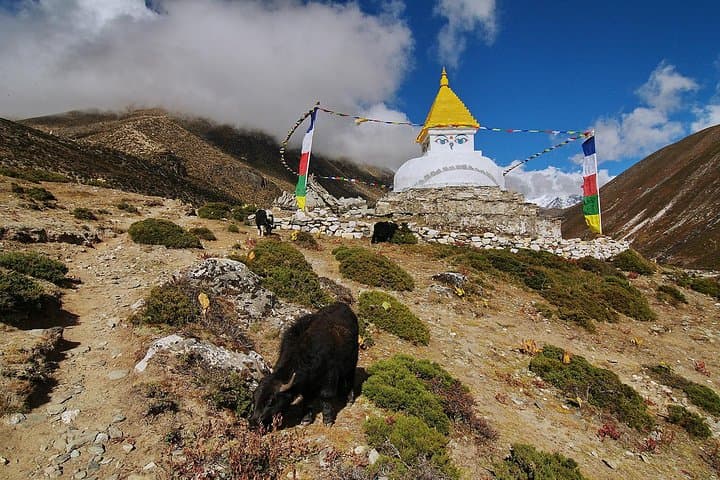
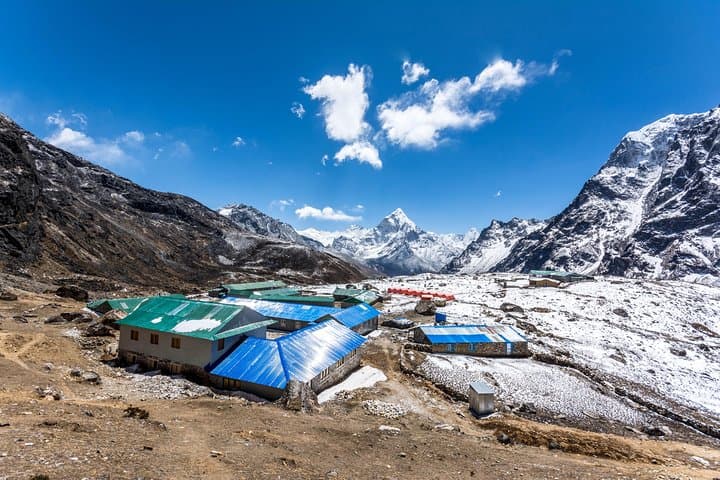
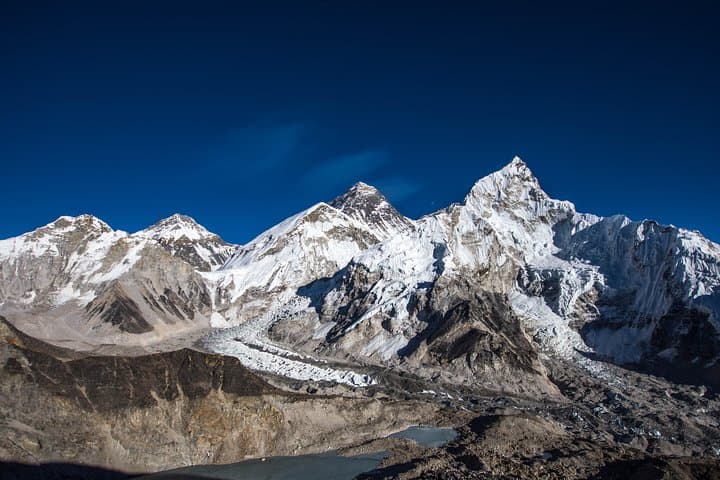
You arrive off a small Ramechap-Lukla flight with the plane disgorging hikers and wind as if the mountains themselves are testing your intent. Trails climb through rhododendron forests, cross bridges that swing over rivers daring you onward, and open onto high villages where prayer flags pull at the sky. By late afternoon, tea-house terraces frame the first views of ice and rock; by night, the air pinches cold and clear.
You arrive off a small Ramechap-Lukla flight with the plane disgorging hikers and wind as if the mountains themselves are testing your intent. Trails climb through rhododendron forests, cross bridges that swing over rivers daring you onward, and open onto high villages where prayer flags pull at the sky. By late afternoon, tea-house terraces frame the first views of ice and rock; by night, the air pinches cold and clear.
The Khumbu has been a trading and spiritual corridor for centuries. Sagarmatha (Everest) National Park—one of Nepal's first protected areas—preserves glacial valleys and Sherpa culture: mani walls, gompas, and yak caravans that still move goods along ancient tracks. Geologically, the route threads moraines and glacial outwash from the high Tibetan plateau, giving way to moraines and boulder fields near Gorakshep and the gravel plain of Base Camp itself.
Practically, expect long days and high passes where altitude, not technical difficulty, is the real challenge. The standard 14-day itinerary stages acclimatization with planned rest hikes at Namche and Dingboche. Lodges provide full-board meals and basic hot showers at selected stops; potable water is sold or treated. Fly in and out via Lukla—weather can delay flights, so build buffer days into your schedule.
Pace yourself: hydrate, eat regularly, and communicate any symptoms of acute mountain sickness. Carry layered clothing, a sleeping bag rated for sub-zero nights, and a small personal first-aid kit. Respect local customs, pack out non-biodegradable waste where possible, and let the mountain keep its silence.