THE ADVENTURE COLLECTIVE® · Independent discovery and booking for outdoor travel

A classic lodge route from Lukla to Everest Base Camp, this 12‑day Khumbu trek threads Sherpa villages, high alpine moraine and Kala Patthar views. Expect long days, thin air and unforgettable high‑altitude scenery—plan for acclimatization and possible flight delays.
A classic lodge route from Lukla to Everest Base Camp, this 12‑day Khumbu trek threads Sherpa villages, high alpine moraine and Kala Patthar views. Expect long days, thin air and unforgettable high‑altitude scenery—plan for acclimatization and possible flight delays.
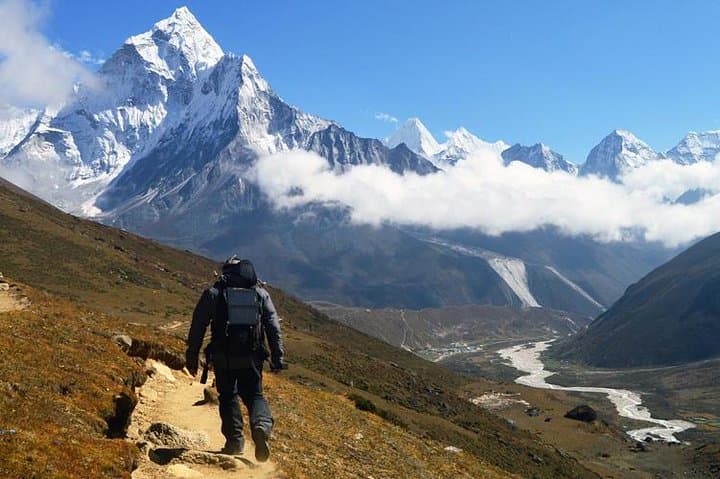
The first light of the Himalaya slices across a tea‑house roof in Lukla and the line of trekkers exhales as the trail pulls them into stone villages and rhododendron forests. The air gets thinner and the views larger with each day; prayer flags twitch like small, stubborn maps pointing toward the summit above.
Verified experiences and guided adventures in the surrounding area.
Operated by Adventure Bound · Lukla, Province No. 1
The first light of the Himalaya slices across a tea‑house roof in Lukla and the line of trekkers exhales as the trail pulls them into stone villages and rhododendron forests. The air gets thinner and the views larger with each day; prayer flags twitch like small, stubborn maps pointing toward the summit above.
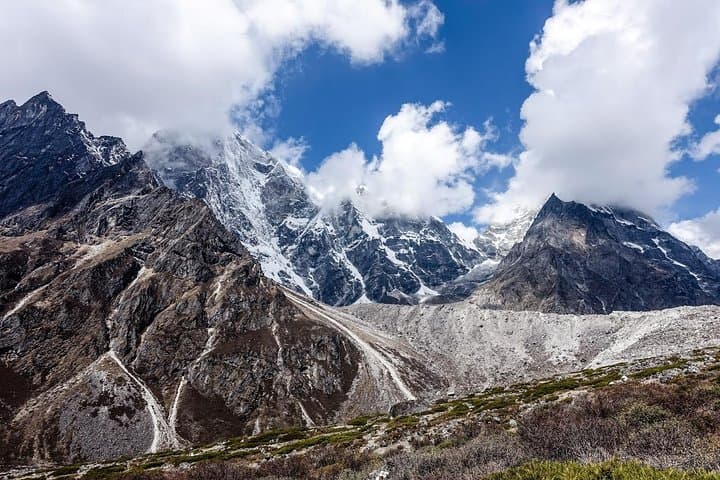
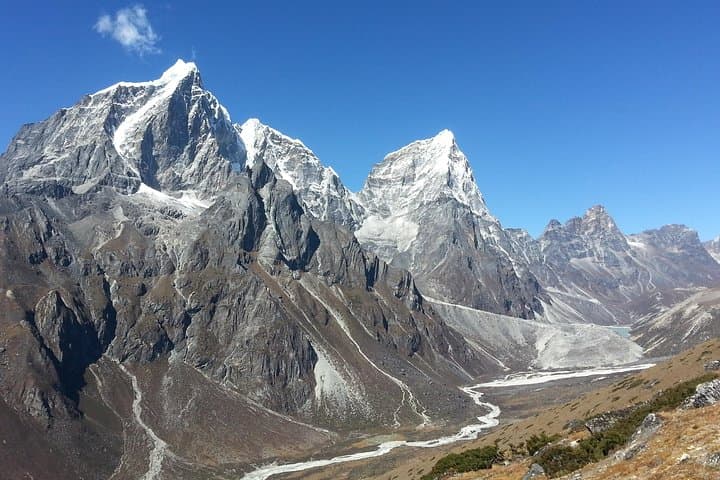
This 12‑day lodge trek follows the classic Khumbu corridor—Lukla to Phakding, Namche Bazaar, Tengboche, Dingboche, Lobuche, Gorak Shep and Everest Base Camp with a sunrise climb to Kala Patthar. The route threads Sagarmatha National Park, created in 1976 and a UNESCO site since 1979, where glacial moraine and exposed rock tell the geologic story of uplift and ice.
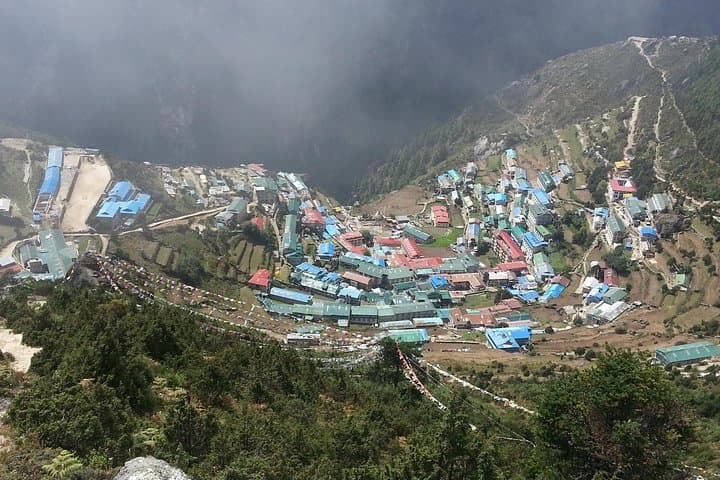
Culturally the trail is Sherpa country: mani stones, monasteries and teahouses that run on diesel, yak trains and steady hospitality. Walkers encounter traditional stone houses and the legacy of Tenzing Norgay and Edmund Hillary who opened these passes to the world.
Practically, expect dry, rocky trails, days of 4–7 hours walking, with key acclimatization stops at Namche and Dingboche. Weather in the mountains is decisive—flights to and from Lukla are frequently delayed by wind and low cloud, so build contingency days into your schedule.
Hydration, layered insulation, and conservative pacing are the truest safety gear. Meals and twin‑share lodgings are included on many itineraries, but bring cash for hot drinks and battery recharges. If altitude becomes a concern, descend early—evacuation options include scheduled flights, but helicopter lift is expensive. With preparation and respect for the mountain, the trek delivers a raw, close encounter with Everest's high world.
challenging.
12 days.
Good aerobic fitness and experience with multi‑day trekking at altitude; able to walk 4–7 hours over uneven terrain.
The typical itinerary runs 12 days from Lukla to Kathmandu; add 1–2 contingency days for Lukla flight delays.
Prior multi‑day trekking experience is strongly advised; acclimatization stops mitigate risk but altitude sickness can still occur.
Yes—Sagarmatha National Park permits and TIMS registration are required and are usually handled by the operator.
Expect waits in Kathmandu or Lukla; operators may rebook the next flight or arrange a helicopter at extra cost—carry extra days and travel insurance.
The Khumbu route follows paths used by Sherpas for centuries and retraces the approach used by Edmund Hillary and Tenzing Norgay in the 1953 Everest era.
Sagarmatha National Park enforces permit and waste rules; minimize single‑use plastics, pack out non‑biodegradable trash and support local teahouses that follow waste‑management practices.
Adventure Bound operates guided outdoor trips and adventures with an emphasis on safety, stewardship, and memorable experiences.
The first light of the Himalaya slices across a tea‑house roof in Lukla and the line of trekkers exhales as the trail pulls them into stone villages and rhododendron forests. The air gets thinner and the views larger with each day; prayer flags twitch like small, stubborn maps pointing toward the summit above.
The first light of the Himalaya slices across a tea‑house roof in Lukla and the line of trekkers exhales as the trail pulls them into stone villages and rhododendron forests. The air gets thinner and the views larger with each day; prayer flags twitch like small, stubborn maps pointing toward the summit above.
This 12‑day lodge trek follows the classic Khumbu corridor—Lukla to Phakding, Namche Bazaar, Tengboche, Dingboche, Lobuche, Gorak Shep and Everest Base Camp with a sunrise climb to Kala Patthar. The route threads Sagarmatha National Park, created in 1976 and a UNESCO site since 1979, where glacial moraine and exposed rock tell the geologic story of uplift and ice.
Culturally the trail is Sherpa country: mani stones, monasteries and teahouses that run on diesel, yak trains and steady hospitality. Walkers encounter traditional stone houses and the legacy of Tenzing Norgay and Edmund Hillary who opened these passes to the world.
Practically, expect dry, rocky trails, days of 4–7 hours walking, with key acclimatization stops at Namche and Dingboche. Weather in the mountains is decisive—flights to and from Lukla are frequently delayed by wind and low cloud, so build contingency days into your schedule.
Hydration, layered insulation, and conservative pacing are the truest safety gear. Meals and twin‑share lodgings are included on many itineraries, but bring cash for hot drinks and battery recharges. If altitude becomes a concern, descend early—evacuation options include scheduled flights, but helicopter lift is expensive. With preparation and respect for the mountain, the trek delivers a raw, close encounter with Everest's high world.