THE ADVENTURE COLLECTIVE® · Independent discovery and booking for outdoor travel

A 14-day, high-altitude trek from Lukla to Everest Base Camp and Kala Patthar, passing Namche Bazaar, Tengboche and Gorakshep. Expect long days, thin air and teahouse nights with sunrise views of Everest.
A 14-day, high-altitude trek from Lukla to Everest Base Camp and Kala Patthar, passing Namche Bazaar, Tengboche and Gorakshep. Expect long days, thin air and teahouse nights with sunrise views of Everest.
The trail starts before dawn in Lukla, where a 35–40 minute flight drops you onto a runway clinging to the mountainside. From there the path threads rhododendron forests, suspension bridges and Sherpa villages, opening gradually to the gray, glacial shoulders of the Khumbu. By Gorakshep the air thins and the ice-polished ridgelines of Everest and Nuptse command the sky.
Verified experiences and guided adventures in the surrounding area.
Operated by Happyland Treks · Lukla, Province No. 1
The trail starts before dawn in Lukla, where a 35–40 minute flight drops you onto a runway clinging to the mountainside. From there the path threads rhododendron forests, suspension bridges and Sherpa villages, opening gradually to the gray, glacial shoulders of the Khumbu. By Gorakshep the air thins and the ice-polished ridgelines of Everest and Nuptse command the sky.
This route moves through Sagarmatha National Park—declared a UNESCO World Heritage Site—and lives in the long shadow of Himalayan exploration and Sherpa culture. The geology is dramatic: young continental crust still rising, feeding glaciers that grind valleys into moraine and shape the Khumbu’s stark bowl. Villages like Namche Bazaar evolved as trading hubs between Tibet and Kathmandu and now function as acclimatization bases where local teahouses keep the route human at high altitude.
Practically, the trek is a test of patience as much as fitness. Expect 5–7 hours of walking most days, large day-to-day elevation gains between 300–800 m, and two deliberate acclimatization days. Tea-house lodging keeps pack weight down but nights can dip well below freezing above 4,000 m. Flights to and from Lukla are subject to weather delays; build buffer days into travel plans. Hydration, steady pacing, and awareness of acute mountain sickness are the core safety measures. Good boots, layered insulation, and a headlamp are non-negotiable. When the sun hits Kala Patthar at sunrise the massif seems to lean toward you—an uncompromising reminder that in the high Himalaya, respect and preparation are the route to reward.
challenging.
14 days.
Requires good aerobic fitness, experience with multi-day hiking, and mental tolerance for long days at altitude.
Late spring (March–May) and fall (September–November) offer the most stable weather and best summit visibility; each season has trade-offs in crowds and temperature.
No technical rock or ice-climbing skills are required for this trekking route, but experience with multi-day hikes and altitude awareness is necessary.
You must carry a TIMS card and the Sagarmatha National Park entry permit; these are typically arranged by your operator or at Kathmandu before departure.
There is a real risk above 3,000 m—use staged acclimatization, recognize symptoms early, and be prepared to descend; consider prophylactic medication after consulting a physician.
The Khumbu is home to Sherpa communities long engaged in trade and mountaineering support; modern trekking grew after the 1953 Everest ascent and the area became Sagarmatha National Park in 1976.
Sagarmatha National Park regulates trekking with permits; minimize waste, avoid single-use plastics, and follow local guidelines to protect fragile alpine ecosystems.
Happyland Treks operates guided outdoor trips and adventures with an emphasis on safety, stewardship, and memorable experiences.
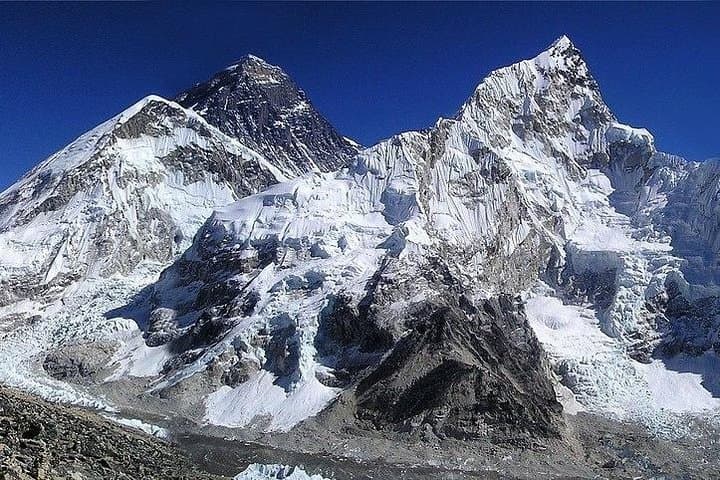
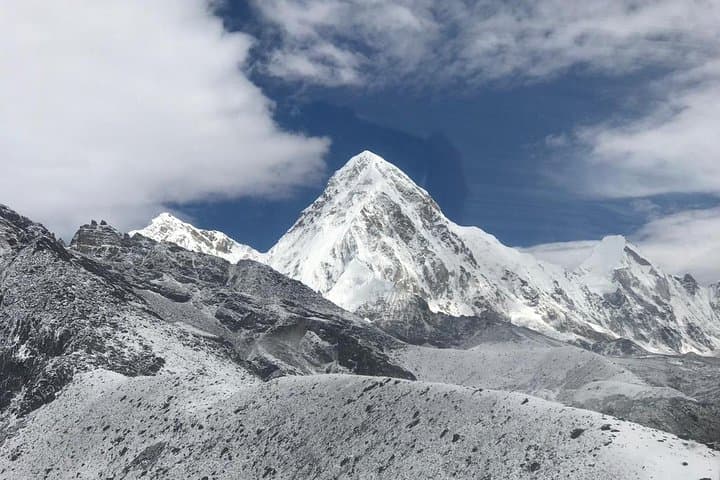
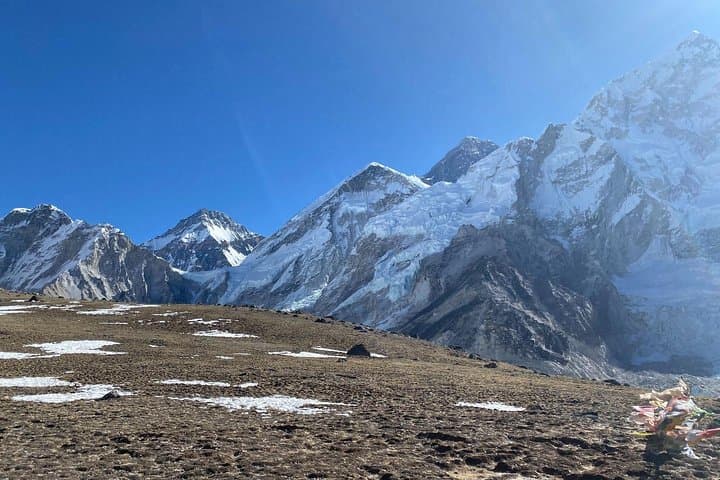
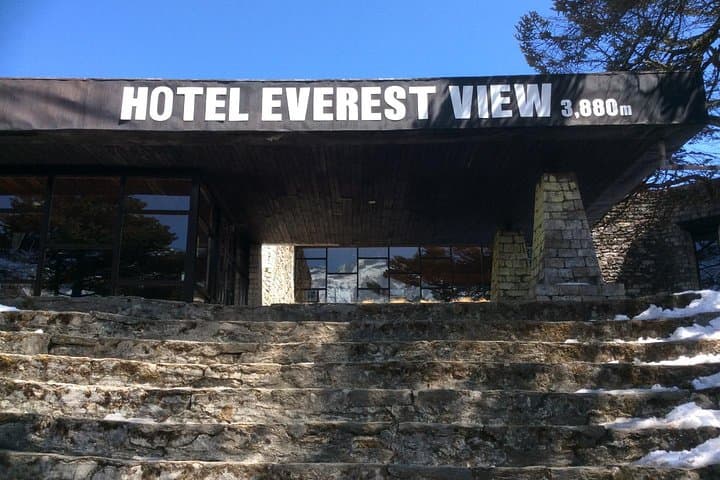
The trail starts before dawn in Lukla, where a 35–40 minute flight drops you onto a runway clinging to the mountainside. From there the path threads rhododendron forests, suspension bridges and Sherpa villages, opening gradually to the gray, glacial shoulders of the Khumbu. By Gorakshep the air thins and the ice-polished ridgelines of Everest and Nuptse command the sky.
The trail starts before dawn in Lukla, where a 35–40 minute flight drops you onto a runway clinging to the mountainside. From there the path threads rhododendron forests, suspension bridges and Sherpa villages, opening gradually to the gray, glacial shoulders of the Khumbu. By Gorakshep the air thins and the ice-polished ridgelines of Everest and Nuptse command the sky.
This route moves through Sagarmatha National Park—declared a UNESCO World Heritage Site—and lives in the long shadow of Himalayan exploration and Sherpa culture. The geology is dramatic: young continental crust still rising, feeding glaciers that grind valleys into moraine and shape the Khumbu’s stark bowl. Villages like Namche Bazaar evolved as trading hubs between Tibet and Kathmandu and now function as acclimatization bases where local teahouses keep the route human at high altitude.
Practically, the trek is a test of patience as much as fitness. Expect 5–7 hours of walking most days, large day-to-day elevation gains between 300–800 m, and two deliberate acclimatization days. Tea-house lodging keeps pack weight down but nights can dip well below freezing above 4,000 m. Flights to and from Lukla are subject to weather delays; build buffer days into travel plans. Hydration, steady pacing, and awareness of acute mountain sickness are the core safety measures. Good boots, layered insulation, and a headlamp are non-negotiable. When the sun hits Kala Patthar at sunrise the massif seems to lean toward you—an uncompromising reminder that in the high Himalaya, respect and preparation are the route to reward.