THE ADVENTURE COLLECTIVE® · Independent discovery and booking for outdoor travel

A two-week, high-altitude trek from Kathmandu to Everest Base Camp that balances cultural encounters with Sherpa villages and sustained mountain hiking. Expect long days, thin air and unforgettable glacier and summit views.
A two-week, high-altitude trek from Kathmandu to Everest Base Camp that balances cultural encounters with Sherpa villages and sustained mountain hiking. Expect long days, thin air and unforgettable glacier and summit views.
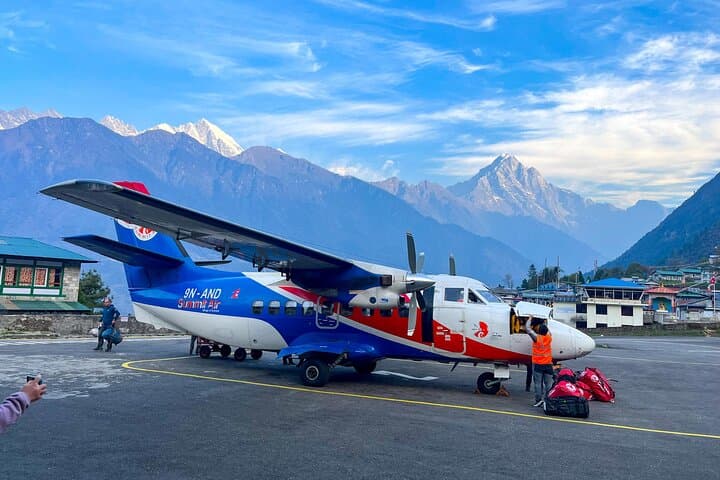
The trail opens with Kathmandu’s chaos dissolving into thin air as the plane toward Lukla drops you into a valley of prayer flags and wind-scraped rock.
Verified experiences and guided adventures in the surrounding area.
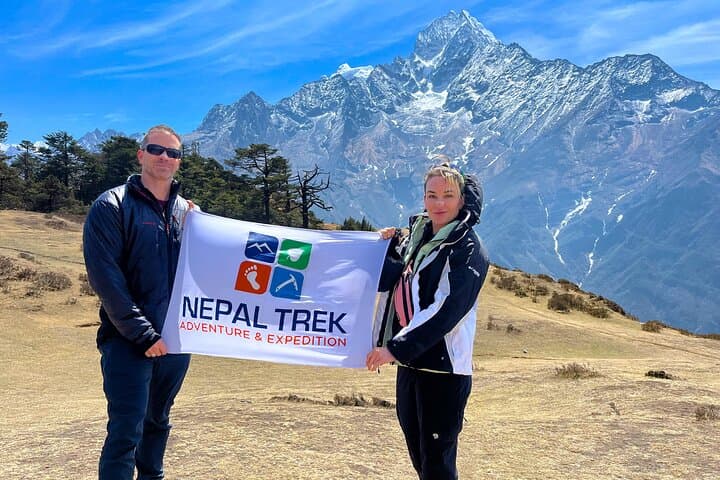
Operated by Nepal Trek Adventure and Expedition P.Ltd · Lukla, Province No. 1
The trail opens with Kathmandu’s chaos dissolving into thin air as the plane toward Lukla drops you into a valley of prayer flags and wind-scraped rock.
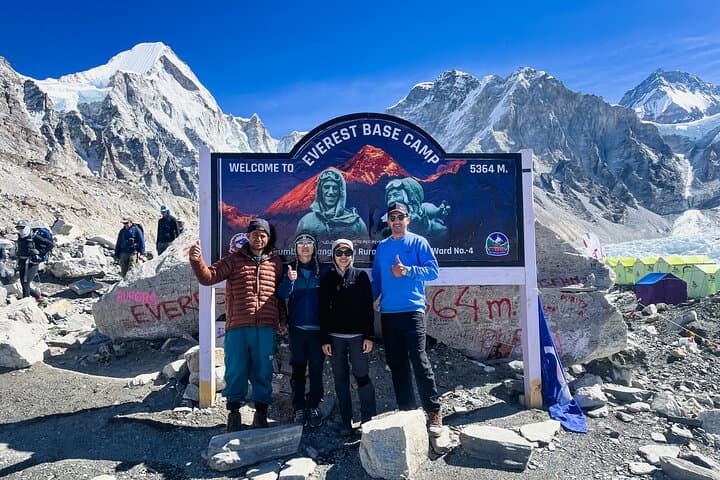
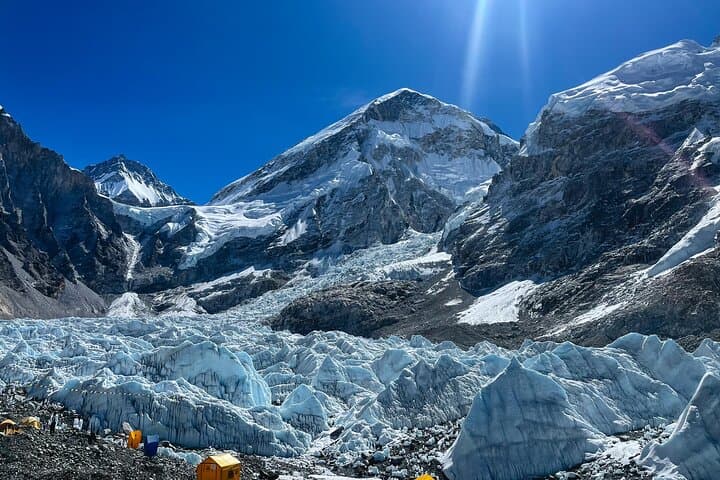
From Phakding’s riverside terraces you climb through rhododendron and pine until Namche Bazaar appears like a highland market clinging to the ridge. The high country then tightens: moraine, blue ice, and the Khumbu Glacier lead you to Gorakshep and, finally, the flattened expanse where climbers assemble at Everest Base Camp. Wind and sun become active companions—sometimes coaxing, sometimes harsh.
Geology here is immediate: the uplifted sedimentary layers of the Himalaya thrust skyward by the Indian and Eurasian plates, carved by glaciers that still grind and reshape the valleys. Culturally, this route threads Sherpa villages, monasteries and the legacy of Hillary’s school—places where Buddhist ritual and mountaineering history meet.
Expect thin air, long daylight hikes, and villages that run on teahouses rather than traffic lights. The trail alternates packed dirt and stone stairways, with exposed sections above tree line and short glacier-adjacent walks near Base Camp.
Practical guidance: pace slowly for acclimatization—two acclimatization days are built in. Carry layered clothing for intense sun and sub-zero nights, and treat water or use bottled sources; altitude causes dehydration fast. Footwear with ankle support, trekking poles and a trusted guide are essential. Flights to and from Lukla are weather-dependent—build flexibility into your schedule.
This is not a technical climb but a sustained high-altitude trek: respect the mountains, listen to your body, and plan for weather and logistics in Nepal as carefully as you plan your boots.
challenging.
14 days.
Good cardiovascular fitness with experience in long daily hikes and previous multi-day trekking; able to handle sustained uphill walking and reduced oxygen at altitude.
No—this route is a non-technical trek, but it requires good fitness, acclimatization and comfort with high-altitude conditions.
Daily stages typically range from 3–8 hours; a few days include longer stretches (e.g., Namche to Tengboche, return from Lobuche).
This itinerary includes necessary permits and an English-speaking trekking guide with porters; always confirm details with the operator before travel.
The trip includes Kathmandu–Lukla return flights, but they are weather-dependent—allow buffer days and check weight limits for luggage.
The modern route was shaped by Sherpa mountaineering culture and the mid-20th-century Everest expeditions; the area sits within Sagarmatha National Park, established in 1976.
Sagarmatha National Park protects fragile alpine ecosystems; travelers are expected to follow Leave No Trace, avoid single-use plastics and respect local waste management practices.
Nepal Trek Adventure and Expedition P.Ltd operates guided outdoor trips and adventures with an emphasis on safety, stewardship, and memorable experiences.
The trail opens with Kathmandu’s chaos dissolving into thin air as the plane toward Lukla drops you into a valley of prayer flags and wind-scraped rock.
The trail opens with Kathmandu’s chaos dissolving into thin air as the plane toward Lukla drops you into a valley of prayer flags and wind-scraped rock.
From Phakding’s riverside terraces you climb through rhododendron and pine until Namche Bazaar appears like a highland market clinging to the ridge. The high country then tightens: moraine, blue ice, and the Khumbu Glacier lead you to Gorakshep and, finally, the flattened expanse where climbers assemble at Everest Base Camp. Wind and sun become active companions—sometimes coaxing, sometimes harsh.
Geology here is immediate: the uplifted sedimentary layers of the Himalaya thrust skyward by the Indian and Eurasian plates, carved by glaciers that still grind and reshape the valleys. Culturally, this route threads Sherpa villages, monasteries and the legacy of Hillary’s school—places where Buddhist ritual and mountaineering history meet.
Expect thin air, long daylight hikes, and villages that run on teahouses rather than traffic lights. The trail alternates packed dirt and stone stairways, with exposed sections above tree line and short glacier-adjacent walks near Base Camp.
Practical guidance: pace slowly for acclimatization—two acclimatization days are built in. Carry layered clothing for intense sun and sub-zero nights, and treat water or use bottled sources; altitude causes dehydration fast. Footwear with ankle support, trekking poles and a trusted guide are essential. Flights to and from Lukla are weather-dependent—build flexibility into your schedule.
This is not a technical climb but a sustained high-altitude trek: respect the mountains, listen to your body, and plan for weather and logistics in Nepal as carefully as you plan your boots.