THE ADVENTURE COLLECTIVE® · Independent discovery and booking for outdoor travel

Fly into Lukla and walk a path of glaciers, prayer flags and Sherpa villages to reach the closest point to Everest you can reach on foot. This 14‑day guided trek balances acclimatization days with summit‑views from Kala Patthar.
Fly into Lukla and walk a path of glaciers, prayer flags and Sherpa villages to reach the closest point to Everest you can reach on foot. This 14‑day guided trek balances acclimatization days with summit‑views from Kala Patthar.
The first light of the Himalaya strips the sky to silver as you taxi toward Lukla; prayer flags snap overhead and the trail drops to the Dudh Koshi, pulling you into a landscape that demands attention.
Verified experiences and guided adventures in the surrounding area.
Operated by Expedia Holiday · Lukla, Province No. 1
The first light of the Himalaya strips the sky to silver as you taxi toward Lukla; prayer flags snap overhead and the trail drops to the Dudh Koshi, pulling you into a landscape that demands attention.
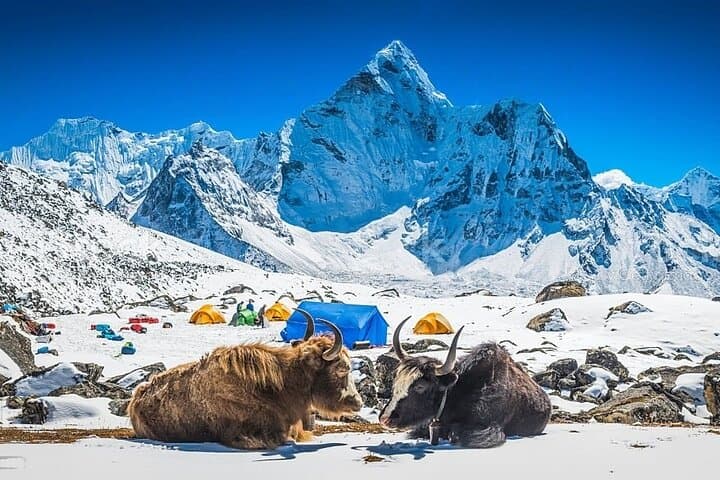
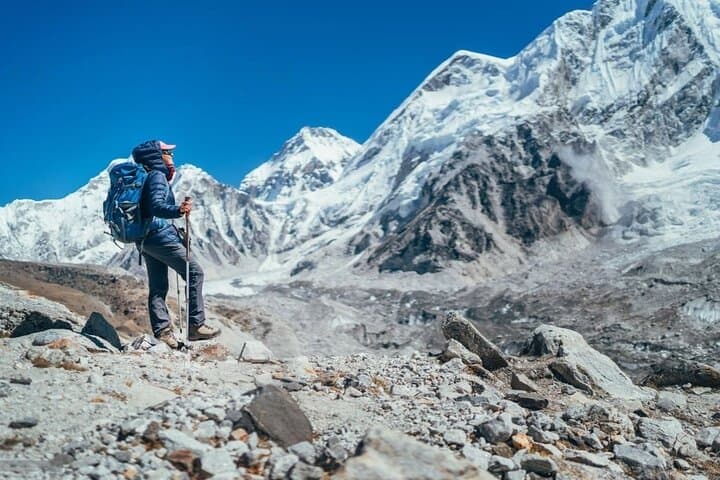
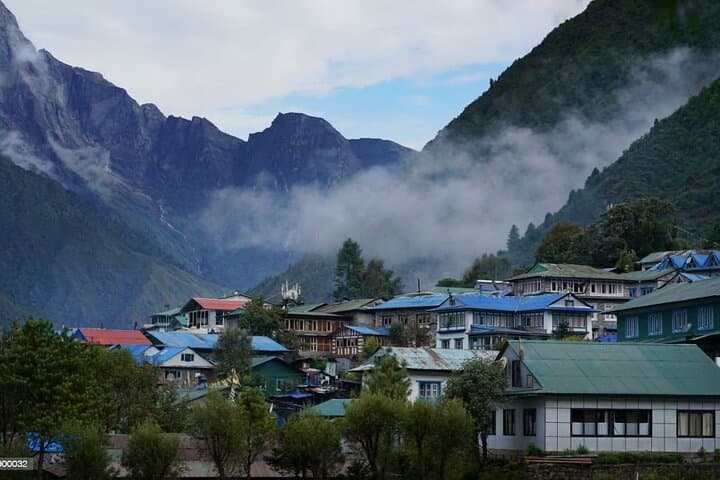
This 14-day itinerary follows classic high‑altitude footpaths through Sagarmatha (Everest) National Park, crossing suspended bridges, moraine benches and stony alpine meadows. Geologically the route threads glacial valleys carved by the Khumbu Glacier and rises toward moraines, icefall faces and the scree that surrounds Gorak Shep and Everest Base Camp (≈5,365 m). Culturally the trek moves through Sherpa settlements—Namche Bazaar’s market energy, Tengboche monastery’s chants and the mani stones of Pangboche speak to a living Himalayan tradition shaped by trade, Buddhism and mountaineering.
Expect steadily increasing altitude with long walking days—typical stages include Lukla (2,804 m) to Namche (3,441 m), acclimatization hikes to viewpoints like Syangboche, then on to Dingboche, Lobuche and Gorak Shep. Kala Patthar (5,555 m) is the dawn reward: the most complete panorama of Everest and its neighbors.
Practicalities: the trek requires good trekking fitness, planning for altitude, layered clothing and sturdy boots. Flights to/from Lukla are subject to weather and sometimes rerouted via Ramechhap/Manthali. Permits (Sagarmatha NP, TIMS) and local guides/porters are standard; this program includes them. Hydrate, pace your ascent, and budget extra days for weather or acclimatization—safety is part of the reward.
challenging.
13–14 days.
Good aerobic fitness with experience on multi‑day hikes at altitude; able to walk 5–8 hours over uneven terrain on consecutive days.
No technical climbing experience is required, but prior multi‑day trekking and acclimatization knowledge improve safety and comfort at 5,000+m elevations.
Spring (March–May) and autumn (September–November) offer the most stable weather, clearer mountain views and active trekking seasons.
Typical walking days range from 3–8 hours; key long days include Lukla to Phakding, Namche approaches, and the Gorak Shep–EBC–back day.
Yes—Sagarmatha National Park and TIMS permits are required, and hiring a licensed guide and porter is standard practice for safety and logistics.
This route threads communities shaped by Sherpa culture and mountaineering history; Sagarmatha (Everest) National Park was created in 1976 and later became a UNESCO World Heritage site.
Permits fund park conservation and communities; trekkers should minimize waste, avoid single‑use plastics and use local teahouses to support the mountain economy.
Expedia Holiday operates guided outdoor trips and adventures with an emphasis on safety, stewardship, and memorable experiences.

The first light of the Himalaya strips the sky to silver as you taxi toward Lukla; prayer flags snap overhead and the trail drops to the Dudh Koshi, pulling you into a landscape that demands attention.
The first light of the Himalaya strips the sky to silver as you taxi toward Lukla; prayer flags snap overhead and the trail drops to the Dudh Koshi, pulling you into a landscape that demands attention.
This 14-day itinerary follows classic high‑altitude footpaths through Sagarmatha (Everest) National Park, crossing suspended bridges, moraine benches and stony alpine meadows. Geologically the route threads glacial valleys carved by the Khumbu Glacier and rises toward moraines, icefall faces and the scree that surrounds Gorak Shep and Everest Base Camp (≈5,365 m). Culturally the trek moves through Sherpa settlements—Namche Bazaar’s market energy, Tengboche monastery’s chants and the mani stones of Pangboche speak to a living Himalayan tradition shaped by trade, Buddhism and mountaineering.
Expect steadily increasing altitude with long walking days—typical stages include Lukla (2,804 m) to Namche (3,441 m), acclimatization hikes to viewpoints like Syangboche, then on to Dingboche, Lobuche and Gorak Shep. Kala Patthar (5,555 m) is the dawn reward: the most complete panorama of Everest and its neighbors.
Practicalities: the trek requires good trekking fitness, planning for altitude, layered clothing and sturdy boots. Flights to/from Lukla are subject to weather and sometimes rerouted via Ramechhap/Manthali. Permits (Sagarmatha NP, TIMS) and local guides/porters are standard; this program includes them. Hydrate, pace your ascent, and budget extra days for weather or acclimatization—safety is part of the reward.