THE ADVENTURE COLLECTIVE® · Independent discovery and booking for outdoor travel

A classic 14-day trek from Kathmandu to Everest Base Camp that combines high-altitude trekking, Sherpa culture, and iconic Himalayan panoramas. This guide previews terrain, acclimatization strategy, and practical gear to prepare for the trip.
A classic 14-day trek from Kathmandu to Everest Base Camp that combines high-altitude trekking, Sherpa culture, and iconic Himalayan panoramas. This guide previews terrain, acclimatization strategy, and practical gear to prepare for the trip.
The first light over Kathmandu gives way to a heartbeat—preparing, packing, and that thin-air promise. After a jittery mountain flight into Lukla, the trail climbs out of rhododendron forests, crosses suspension bridges where the Dudh Koshi river dares you to keep pace, and threads Sherpa villages whose prayer flags snap like small engines of good luck.
Verified experiences and guided adventures in the surrounding area.
Operated by Nepal Nirvana Trails · Kathmandu, Bagmati Province
The first light over Kathmandu gives way to a heartbeat—preparing, packing, and that thin-air promise. After a jittery mountain flight into Lukla, the trail climbs out of rhododendron forests, crosses suspension bridges where the Dudh Koshi river dares you to keep pace, and threads Sherpa villages whose prayer flags snap like small engines of good luck.
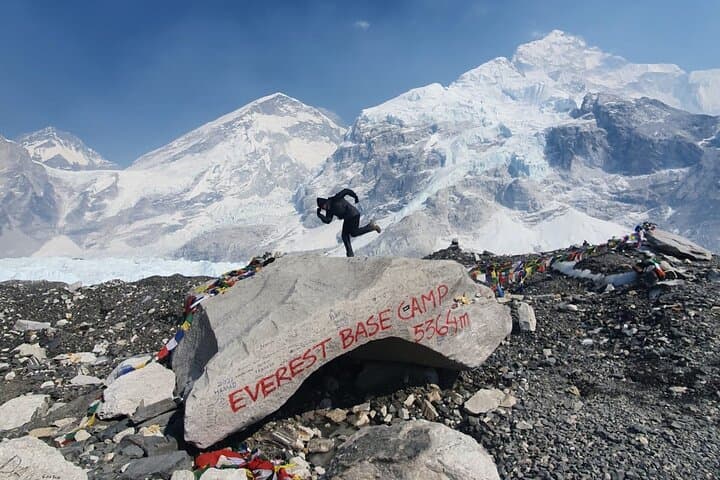
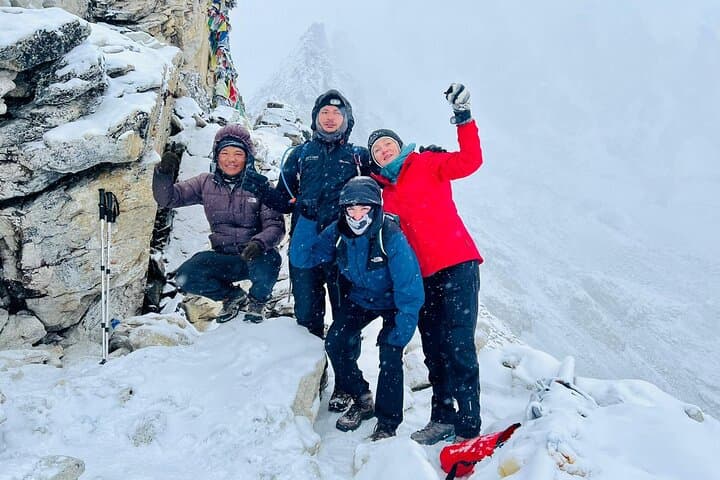
This route tracks through Sagarmatha National Park, a young, jagged landscape shaped by uplift and the slow, grinding motion of the Khumbu Glacier. Geology reads here as exposed moraine and crevassed ice; Kalapatthar offers one of the clearest perches to study Everest’s north–south ridgelines. Culturally, the trail moves through Sherpa communities where tea houses double as social hubs and monasteries like Tengboche open onto ritual and mountain reverence.
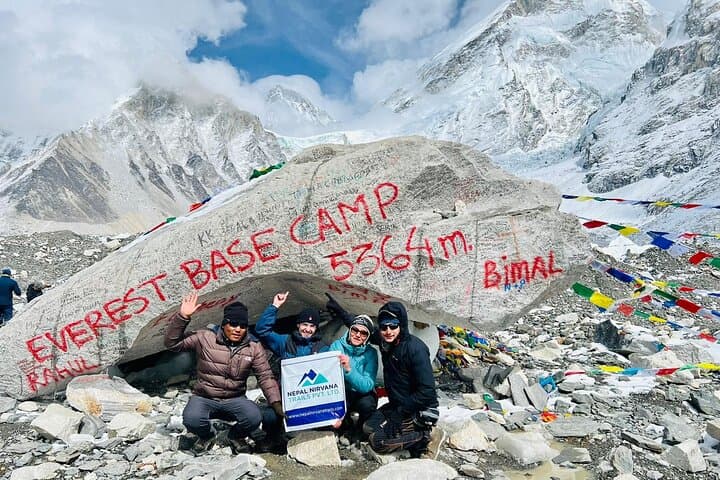
Expect two planned acclimatization stops—Namche and Dingboche—designed to reduce altitude risk and to let the body and mind adjust. Days vary from steady marches of 5–7 hours to long summit-style pushes to Gorakshep and base camp, with carved-out vistas of Ama Dablam, Lhotse and Pumori along the way.
Practical guidance: prioritize layered insulation, a sturdy pair of broken-in mountaineering boots, and a sleeping bag rated to -10°C; carry a personal water-treatment method and use trekking poles to protect knees on rocky descents. Start the itinerary in Kathmandu for permit logistics and the early Lukla flight; plan buffer days for weather delays. Respect local customs, pack out non-biodegradable waste, and allow altitude time—this is a journey where patience is as important as fitness.
challenging.
14 days.
Good aerobic base with regular hiking and some altitude exposure recommended; stair-climbing and long-day hikes will help
The Lukla flight is short but weather-dependent; it can be delayed or canceled—build buffer days into your schedule.
No technical climbing gear is required for the standard EBC trek—this is a trekking route, not a mountaineering ascent.
You need Sagarmatha National Park permit and Khumbu pasang-lhamu rural municipality TIMS card—your operator typically arranges these.
Ascend gradually, use scheduled acclimatization days, consider prophylactic acetazolamide if advised by a physician, and descend immediately if severe AMS symptoms occur.
The Khumbu valley is home to Sherpa communities with Tibetan roots; the area became globally prominent after the 1953 Everest ascent and the construction of early trade routes.
Sagarmatha National Park is protected to preserve fragile high-altitude ecosystems—stick to marked trails, minimize waste, and avoid single-use plastics where possible.
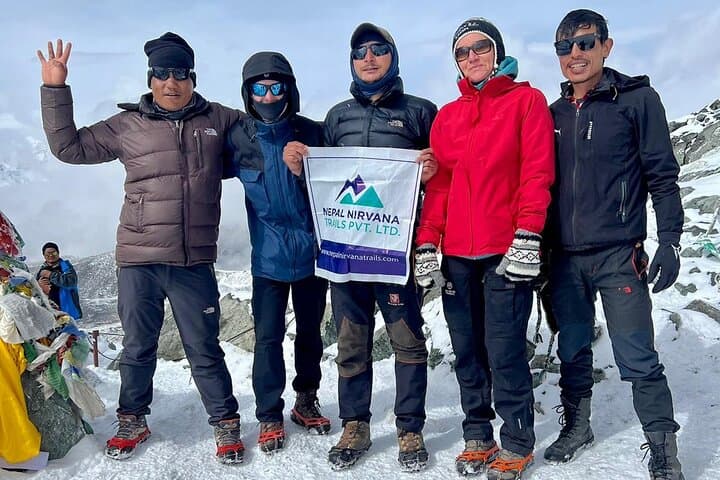
Nepal Nirvana Trails operates guided outdoor trips and adventures with an emphasis on safety, stewardship, and memorable experiences.
The first light over Kathmandu gives way to a heartbeat—preparing, packing, and that thin-air promise. After a jittery mountain flight into Lukla, the trail climbs out of rhododendron forests, crosses suspension bridges where the Dudh Koshi river dares you to keep pace, and threads Sherpa villages whose prayer flags snap like small engines of good luck.
The first light over Kathmandu gives way to a heartbeat—preparing, packing, and that thin-air promise. After a jittery mountain flight into Lukla, the trail climbs out of rhododendron forests, crosses suspension bridges where the Dudh Koshi river dares you to keep pace, and threads Sherpa villages whose prayer flags snap like small engines of good luck.
This route tracks through Sagarmatha National Park, a young, jagged landscape shaped by uplift and the slow, grinding motion of the Khumbu Glacier. Geology reads here as exposed moraine and crevassed ice; Kalapatthar offers one of the clearest perches to study Everest’s north–south ridgelines. Culturally, the trail moves through Sherpa communities where tea houses double as social hubs and monasteries like Tengboche open onto ritual and mountain reverence.
Expect two planned acclimatization stops—Namche and Dingboche—designed to reduce altitude risk and to let the body and mind adjust. Days vary from steady marches of 5–7 hours to long summit-style pushes to Gorakshep and base camp, with carved-out vistas of Ama Dablam, Lhotse and Pumori along the way.
Practical guidance: prioritize layered insulation, a sturdy pair of broken-in mountaineering boots, and a sleeping bag rated to -10°C; carry a personal water-treatment method and use trekking poles to protect knees on rocky descents. Start the itinerary in Kathmandu for permit logistics and the early Lukla flight; plan buffer days for weather delays. Respect local customs, pack out non-biodegradable waste, and allow altitude time—this is a journey where patience is as important as fitness.