THE ADVENTURE COLLECTIVE® · Independent discovery and booking for outdoor travel

A classic 14-day guided trek from Kathmandu to Everest Base Camp offering steep climbs, high-altitude panoramas, and Sherpa cultural stops. Expect 4–8 hour walking days, guesthouse nights, and mandatory permits handled by your operator.
A classic 14-day guided trek from Kathmandu to Everest Base Camp offering steep climbs, high-altitude panoramas, and Sherpa cultural stops. Expect 4–8 hour walking days, guesthouse nights, and mandatory permits handled by your operator.
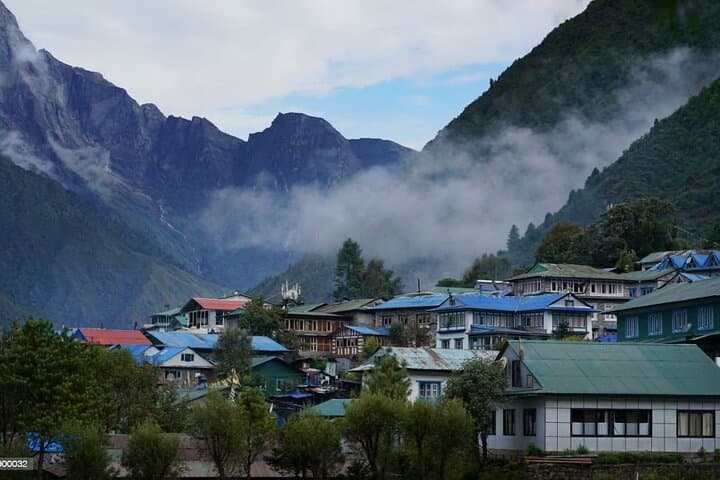
The flight out of Kathmandu climbs over terraced hills and drops you into Lukla’s short runway; wind tugs at the plane like a restless guide and the trail immediately dives toward the Dudh Kosi, prayer flags flashing above suspension bridges.
Verified experiences and guided adventures in the surrounding area.
Operated by Expedia Holiday · Kathmandu, Bagmati Province
The flight out of Kathmandu climbs over terraced hills and drops you into Lukla’s short runway; wind tugs at the plane like a restless guide and the trail immediately dives toward the Dudh Kosi, prayer flags flashing above suspension bridges.
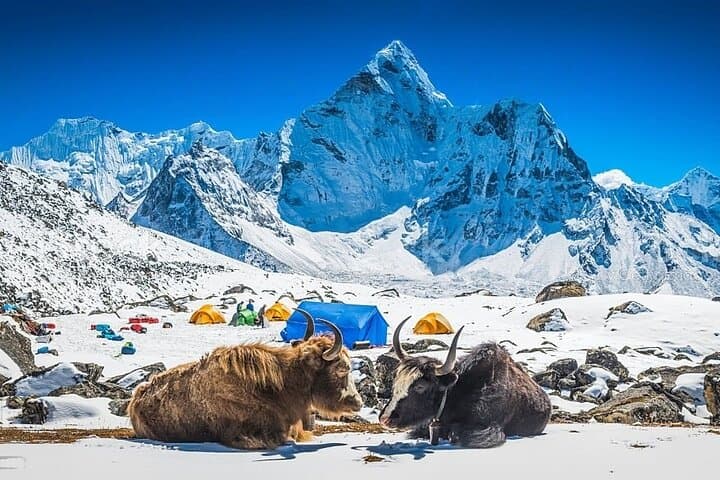
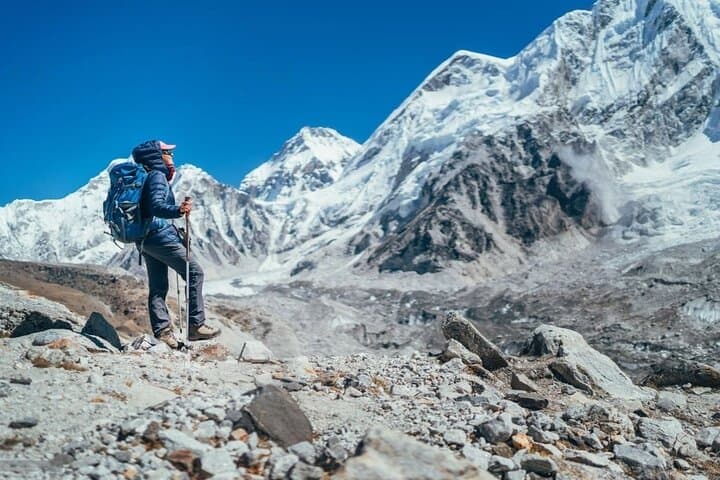
Over 14 days you move from river valleys into the thin, crystalline air of the high Khumbu. The route follows well-marked trails—stone steps, packed dirt, and glacier moraine—crossing the Sagarmatha (Everest) National Park. Expect daily walking of 4–8 hours, big altitude jumps (Namche Bazaar at 3,441 m, Dingboche 4,350 m, Everest Base Camp 5,365 m, Kala Patthar 5,555 m) and terrain that alternates between rhododendron forests and wind-polished rock.
This trek threads Sherpa culture and Himalayan geology: mani walls and monasteries speak to centuries of Tibetan-Buddhist life while moraines and icefalls reveal a landscape carved by moving ice. Guesthouses offer simple twin rooms and hot meals; porters carry shared loads and flights to Lukla are weather-dependent.
Practical guidance: prioritize acclimatization days (namche rest, Dingboche hike), carry layered clothing, and practice uphill hiking before departure. Hydrate often—altitude robs thirst—and pack a reliable headlamp and daypack. Permits (Sagarmatha National Park, TIMS) are required and typically handled by guides.
This is a non-technical high-altitude trek: no ropes or crampons for the standard route, but fitness, respect for altitude, and flexibility around weather are essential. When the wind opens, Everest and its neighbors step forward; when clouds gather, the mountains pull you into silence.
challenging.
14 days.
Good cardiovascular fitness with prior multi-day hiking experience; ability to walk 4–8 hours/day with a light daypack.
No — the standard EBC itinerary is a non-technical trek. You don’t need ropes or crampons, though trekking experience and good fitness are necessary.
You need Sagarmatha National Park entry and a TIMS card; operators normally handle permits and fees as part of the package.
Lukla flights are frequently delayed or canceled due to wind and visibility; operators usually plan contingency days and alternative ground options via Ramechhap/Manthali.
Acute Mountain Sickness can affect anyone; guides use staged acclimatization, monitor symptoms, and have evacuation plans; know the signs and descend if symptoms worsen.
The Khumbu has been home to Sherpa communities for centuries and the trail grew in prominence with 20th-century mountaineering; Sagarmatha National Park was established in 1976 to protect the region.
Trekkers are encouraged to minimize plastic use and stick to marked trails; many operators support local waste disposal programs and community-run lodges.
Expedia Holiday operates guided outdoor trips and adventures with an emphasis on safety, stewardship, and memorable experiences.

The flight out of Kathmandu climbs over terraced hills and drops you into Lukla’s short runway; wind tugs at the plane like a restless guide and the trail immediately dives toward the Dudh Kosi, prayer flags flashing above suspension bridges.
The flight out of Kathmandu climbs over terraced hills and drops you into Lukla’s short runway; wind tugs at the plane like a restless guide and the trail immediately dives toward the Dudh Kosi, prayer flags flashing above suspension bridges.
Over 14 days you move from river valleys into the thin, crystalline air of the high Khumbu. The route follows well-marked trails—stone steps, packed dirt, and glacier moraine—crossing the Sagarmatha (Everest) National Park. Expect daily walking of 4–8 hours, big altitude jumps (Namche Bazaar at 3,441 m, Dingboche 4,350 m, Everest Base Camp 5,365 m, Kala Patthar 5,555 m) and terrain that alternates between rhododendron forests and wind-polished rock.
This trek threads Sherpa culture and Himalayan geology: mani walls and monasteries speak to centuries of Tibetan-Buddhist life while moraines and icefalls reveal a landscape carved by moving ice. Guesthouses offer simple twin rooms and hot meals; porters carry shared loads and flights to Lukla are weather-dependent.
Practical guidance: prioritize acclimatization days (namche rest, Dingboche hike), carry layered clothing, and practice uphill hiking before departure. Hydrate often—altitude robs thirst—and pack a reliable headlamp and daypack. Permits (Sagarmatha National Park, TIMS) are required and typically handled by guides.
This is a non-technical high-altitude trek: no ropes or crampons for the standard route, but fitness, respect for altitude, and flexibility around weather are essential. When the wind opens, Everest and its neighbors step forward; when clouds gather, the mountains pull you into silence.