THE ADVENTURE COLLECTIVE® · Independent discovery and booking for outdoor travel

A 14‑day trek that follows historic Sherpa routes to the Khumbu Glacier and Everest Base Camp. Expect high-altitude days, teahouse nights, and unforgettable views from Kala Patthar.
A 14‑day trek that follows historic Sherpa routes to the Khumbu Glacier and Everest Base Camp. Expect high-altitude days, teahouse nights, and unforgettable views from Kala Patthar.
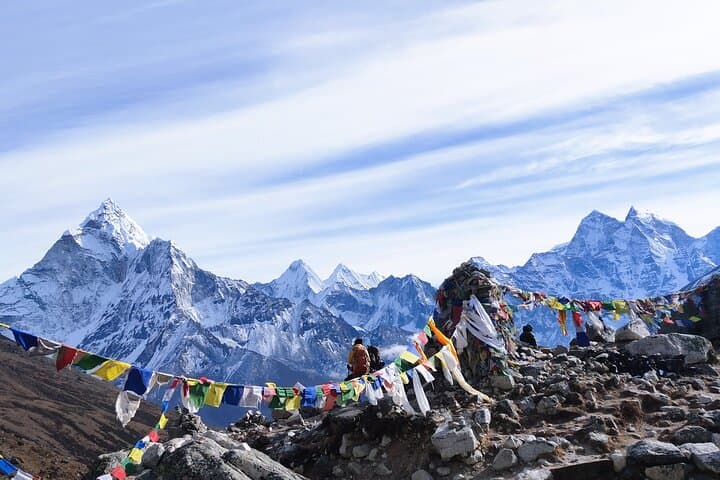
A thin morning light cuts across Kathmandu Valley as you board the 35‑minute flight to Lukla; the plane drops you onto a short runway carved into the mountain and the air instantly tastes different — sharper, thinner, more honest. From Lukla the trail unfurls along the Dudh Koshi, crosses prayer-flagged suspension bridges and climbs through rhododendron forests into the high black-and-white of the Khumbu.
Verified experiences and guided adventures in the surrounding area.
Operated by Ace the Himalaya · Kathmandu, Bagmati Province
A thin morning light cuts across Kathmandu Valley as you board the 35‑minute flight to Lukla; the plane drops you onto a short runway carved into the mountain and the air instantly tastes different — sharper, thinner, more honest. From Lukla the trail unfurls along the Dudh Koshi, crosses prayer-flagged suspension bridges and climbs through rhododendron forests into the high black-and-white of the Khumbu.
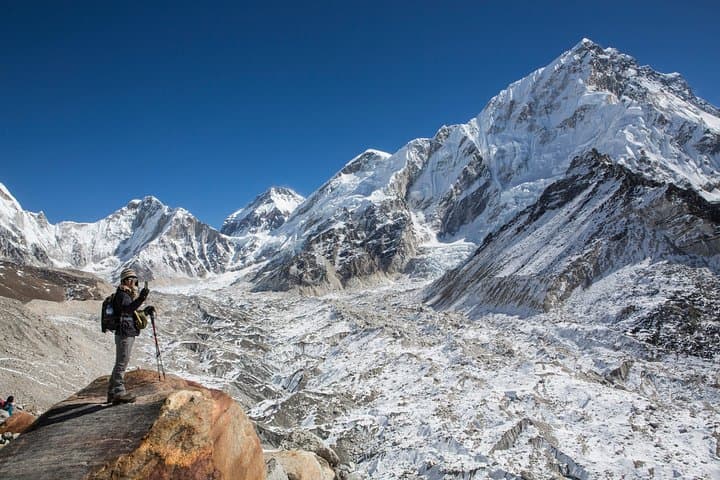
This route follows the footsteps of early climbers and Sherpa traders. Geologically the landscape is young: glacial moraine, jagged granite, and the Khumbu Icefall sculpt the valley. Culturally the trail is threaded with mani stones, chortens and monasteries where monks beat drums and incense smoke keeps the wind company. Villages like Namche, Tengboche and Dingboche are living hubs of Sherpa life — tea houses, bakeries, and climbing notices plastered with expedition schedules.
Expect steady climbs, long days above 3,000–5,500 m and simple guesthouse nights. Acclimatization days are built into the itinerary for a reason; altitude is the single biggest hazard. Weather swings quickly: clear mornings can become wind-scoured afternoons. Hydration, slow pacing and layered clothing are your best defenses. Footwear with firm ankle support and a fitted sleeping bag rated to -10°C matter more than luxury.
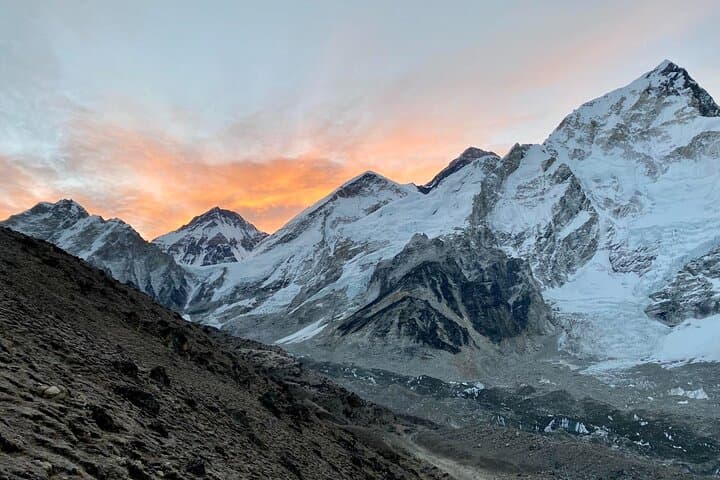
Plan for domestic flight luggage limits (15 kg typical), bring a daypack for summit pushes to Kala Patthar, and allow a buffer day in Kathmandu for flight delays. When you stand on Kala Patthar at sunrise, the mountains push forward like old giants — and the effort that got you there will feel deserved.
challenging.
12–14 days.
You should have good cardiovascular fitness and experience with multi‑day hikes; comfortable walking 6–8 hours on uneven terrain.
Spring (March–May) and autumn (September–November) offer the most stable weather, clearer skies and peak teahouse season for services and flights.
Flights are short and weather-dependent; cancellations are common. Allow buffer days in Kathmandu and consider an overland option via Ramechhap/Manthali if flights are disrupted.
Yes — Sagarmatha (Everest) National Park entry permit and TIMS are required; these are usually arranged by your operator and included in organized trips.
There is significant risk above 3,000 m; the itinerary includes acclimatization days but you must monitor symptoms, hydrate, and descend if moderate/severe signs appear.
The trail evolved from trade routes used by Sherpa and Tibetan traders and later became the access corridor for Everest expeditions pioneered in the 1950s.
Sagarmatha National Park has permit fees that fund conservation; stick to established trails, avoid single-use plastics and use filtered water to reduce waste.
Ace the Himalaya operates guided outdoor trips and adventures with an emphasis on safety, stewardship, and memorable experiences.
A thin morning light cuts across Kathmandu Valley as you board the 35‑minute flight to Lukla; the plane drops you onto a short runway carved into the mountain and the air instantly tastes different — sharper, thinner, more honest. From Lukla the trail unfurls along the Dudh Koshi, crosses prayer-flagged suspension bridges and climbs through rhododendron forests into the high black-and-white of the Khumbu.
A thin morning light cuts across Kathmandu Valley as you board the 35‑minute flight to Lukla; the plane drops you onto a short runway carved into the mountain and the air instantly tastes different — sharper, thinner, more honest. From Lukla the trail unfurls along the Dudh Koshi, crosses prayer-flagged suspension bridges and climbs through rhododendron forests into the high black-and-white of the Khumbu.
This route follows the footsteps of early climbers and Sherpa traders. Geologically the landscape is young: glacial moraine, jagged granite, and the Khumbu Icefall sculpt the valley. Culturally the trail is threaded with mani stones, chortens and monasteries where monks beat drums and incense smoke keeps the wind company. Villages like Namche, Tengboche and Dingboche are living hubs of Sherpa life — tea houses, bakeries, and climbing notices plastered with expedition schedules.
Expect steady climbs, long days above 3,000–5,500 m and simple guesthouse nights. Acclimatization days are built into the itinerary for a reason; altitude is the single biggest hazard. Weather swings quickly: clear mornings can become wind-scoured afternoons. Hydration, slow pacing and layered clothing are your best defenses. Footwear with firm ankle support and a fitted sleeping bag rated to -10°C matter more than luxury.
Plan for domestic flight luggage limits (15 kg typical), bring a daypack for summit pushes to Kala Patthar, and allow a buffer day in Kathmandu for flight delays. When you stand on Kala Patthar at sunrise, the mountains push forward like old giants — and the effort that got you there will feel deserved.