THE ADVENTURE COLLECTIVE® · Independent discovery and booking for outdoor travel

A classic 14-day trek from Lukla to Everest Base Camp that blends high-altitude trail work with Sherpa culture, glacier views and non-technical but demanding days above 4,000 m. Read practical tips on acclimatization, permits and what to expect on the route.
A classic 14-day trek from Lukla to Everest Base Camp that blends high-altitude trail work with Sherpa culture, glacier views and non-technical but demanding days above 4,000 m. Read practical tips on acclimatization, permits and what to expect on the route.
Snowlight cuts across a thin sky as trekkers tighten boots at Lukla airstrip, the Himalaya opening like a map of vertical deserts and serrated ridgelines. The trail climbs steadily through rhododendron forest, crosses suspension bridges where the Dudh Koshi dares you across its blue roar, and delivers walkers to the bustling, wind-swept streets of Namche Bazaar — a Sherpa hub that feels both remote and cosmopolitan.
Verified experiences and guided adventures in the surrounding area.
Operated by Nepal High Trek & Expedition Pvt. Ltd · Lukla, Solukhumbu
Snowlight cuts across a thin sky as trekkers tighten boots at Lukla airstrip, the Himalaya opening like a map of vertical deserts and serrated ridgelines. The trail climbs steadily through rhododendron forest, crosses suspension bridges where the Dudh Koshi dares you across its blue roar, and delivers walkers to the bustling, wind-swept streets of Namche Bazaar — a Sherpa hub that feels both remote and cosmopolitan.
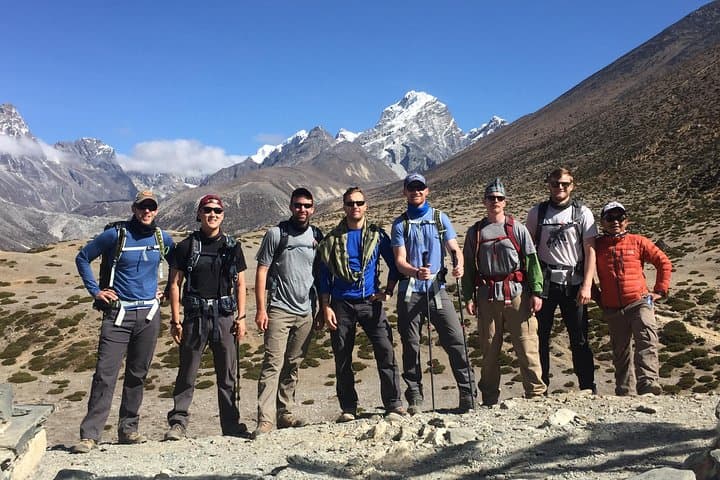
This route follows routes long used by traders and mountaineers. Geologically the Khumbu is young: jagged granites and uplifted metamorphic belts create dramatic moraines and glacial valleys that frame Everest’s southern flanks. Sherpa monasteries and mani walls mark cultural waypoints; stories of mountaineering history echo in the stone memorials at Lobuche.
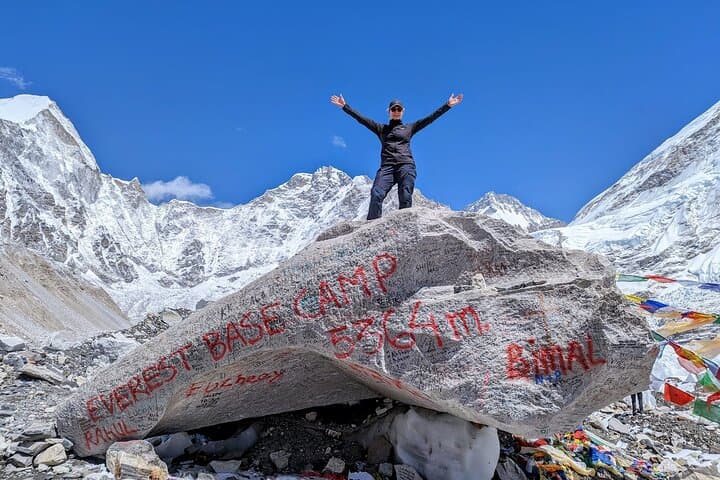
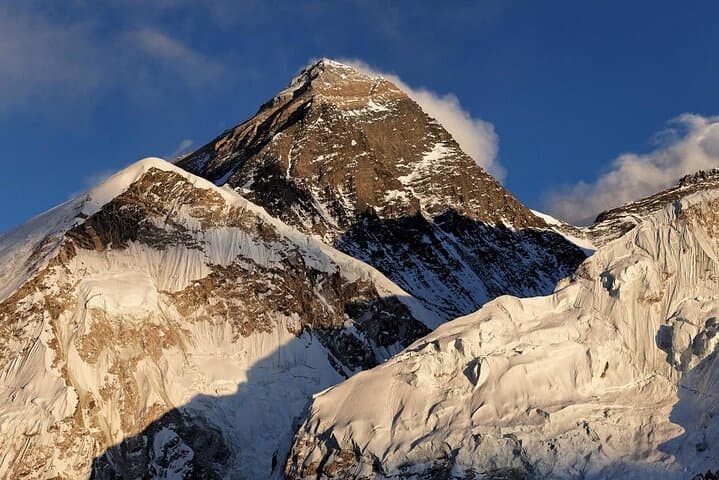
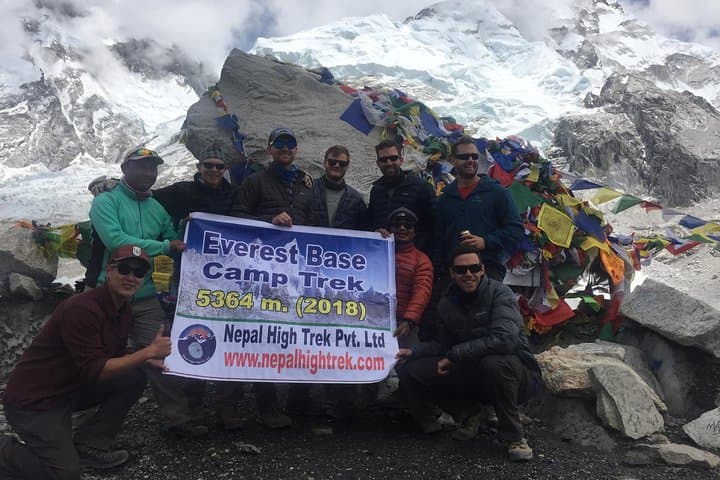
Expect varied terrain: steep stone staircases, packed earth, glacier-adjacent moraines and occasional snowfields above 4,500 m. Acclimatization days at Namche and Dingboche are built into a sensible itinerary; weather windows in spring and fall provide the clearest summit views. Physically demanding but non-technical, the trek rewards persistence with close-up views of Lhotse, Nuptse and the skyline of Everest Base Camp itself.
Practical guidance: pack warm layers, a reliable sleeping bag, and water purification. Start early on high days to avoid afternoon wind and allow extra time for altitude. Operators typically include domestic flights (Kathmandu–Lukla), teahouse accommodation, and permits (Sagarmatha NP). For first-time high-trekkers, hire an experienced guide and consider travel insurance with helicopter-evac coverage.
challenging.
14 days.
Good aerobic fitness and experience with multi-day hikes carrying a daypack; prior altitude exposure helpful
Yes — trekkers must carry the Sagarmatha National Park Permit and Khumbu Pasang Lhamu Rural Municipality entrance permit; guides usually arrange these.
Altitude is the primary challenge: acclimatization days and a gradual ascent profile help; watch for AMS symptoms and descend if they worsen.
Teahouses are basic: shared rooms, limited hot water, and communal dining; included meals are hearty and typically local and Nepalese cuisine.
Fit beginners can, with proper preparation, acclimatization, and an experienced guide; prior multi-day hiking experience is recommended.
The Khumbu corridor has long been a trade and pilgrimage route for Sherpa communities and was central to early British and international Everest expeditions in the 20th century.
Sagarmatha National Park manages trail use and waste; travelers should carry out plastic, use refillable bottles, and respect local water and fuel resources.
Nepal High Trek & Expedition Pvt. Ltd operates guided outdoor trips and adventures with an emphasis on safety, stewardship, and memorable experiences.
Snowlight cuts across a thin sky as trekkers tighten boots at Lukla airstrip, the Himalaya opening like a map of vertical deserts and serrated ridgelines. The trail climbs steadily through rhododendron forest, crosses suspension bridges where the Dudh Koshi dares you across its blue roar, and delivers walkers to the bustling, wind-swept streets of Namche Bazaar — a Sherpa hub that feels both remote and cosmopolitan.
Snowlight cuts across a thin sky as trekkers tighten boots at Lukla airstrip, the Himalaya opening like a map of vertical deserts and serrated ridgelines. The trail climbs steadily through rhododendron forest, crosses suspension bridges where the Dudh Koshi dares you across its blue roar, and delivers walkers to the bustling, wind-swept streets of Namche Bazaar — a Sherpa hub that feels both remote and cosmopolitan.
This route follows routes long used by traders and mountaineers. Geologically the Khumbu is young: jagged granites and uplifted metamorphic belts create dramatic moraines and glacial valleys that frame Everest’s southern flanks. Sherpa monasteries and mani walls mark cultural waypoints; stories of mountaineering history echo in the stone memorials at Lobuche.
Expect varied terrain: steep stone staircases, packed earth, glacier-adjacent moraines and occasional snowfields above 4,500 m. Acclimatization days at Namche and Dingboche are built into a sensible itinerary; weather windows in spring and fall provide the clearest summit views. Physically demanding but non-technical, the trek rewards persistence with close-up views of Lhotse, Nuptse and the skyline of Everest Base Camp itself.
Practical guidance: pack warm layers, a reliable sleeping bag, and water purification. Start early on high days to avoid afternoon wind and allow extra time for altitude. Operators typically include domestic flights (Kathmandu–Lukla), teahouse accommodation, and permits (Sagarmatha NP). For first-time high-trekkers, hire an experienced guide and consider travel insurance with helicopter-evac coverage.