THE ADVENTURE COLLECTIVE® · Independent discovery and booking for outdoor travel

A classic 14-day trek from Kathmandu to Everest Base Camp and Kala Patthar, this route combines Sherpa culture, high‑altitude geology, and panoramic Himalayan views. Ideal for prepared trekkers who prioritize acclimatization and guided logistics.
A classic 14-day trek from Kathmandu to Everest Base Camp and Kala Patthar, this route combines Sherpa culture, high‑altitude geology, and panoramic Himalayan views. Ideal for prepared trekkers who prioritize acclimatization and guided logistics.
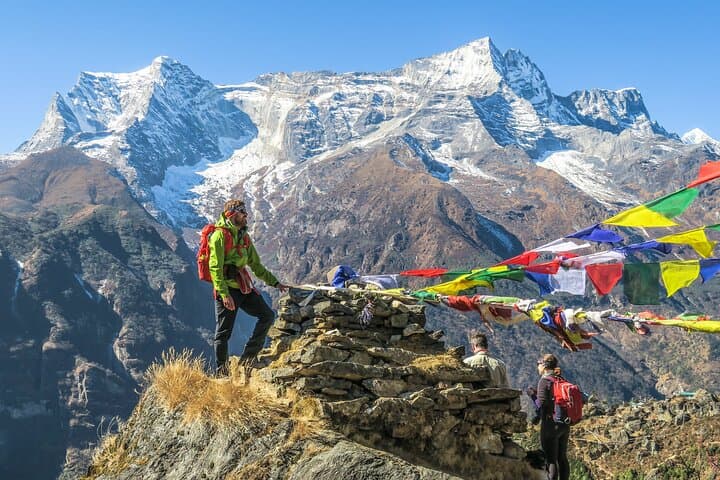
Dawn breaks cold and thin over the Khumbu valley; prayer flags snap as the trail climbs out of a village and the first jagged teeth of the high Himalaya appear like a promise. The 14-day itinerary threads from Kathmandu’s dusty bustle to the short, heart-thumping Lukla flight, then follows the Dudh Kosi through rhododendron and pine, past chortens and Sherpa markets, to Namche Bazaar and higher, where breathing itself becomes part of the route.
Verified experiences and guided adventures in the surrounding area.
Operated by Asian Heritage Treks and Travels · Kathmandu, Bagmati Province
Dawn breaks cold and thin over the Khumbu valley; prayer flags snap as the trail climbs out of a village and the first jagged teeth of the high Himalaya appear like a promise. The 14-day itinerary threads from Kathmandu’s dusty bustle to the short, heart-thumping Lukla flight, then follows the Dudh Kosi through rhododendron and pine, past chortens and Sherpa markets, to Namche Bazaar and higher, where breathing itself becomes part of the route.
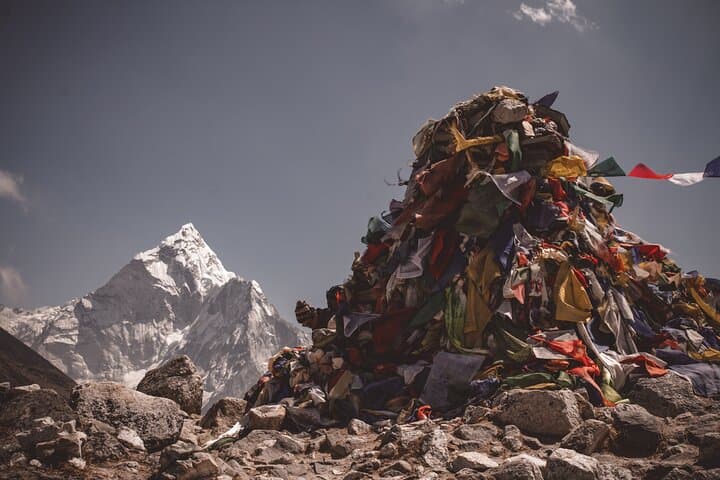
This route crosses Sagarmatha National Park, a UNESCO-protected landscape carved by ongoing uplift and glaciation: the Khumbu Glacier and moraine fields tell a geological story of young mountains and ancient ice. Sherpa communities and monasteries—Tengboche among them—anchor the cultural side of the trek, offering butter tea, seasonal markets, and sacred mani walls that mark both faith and passage.
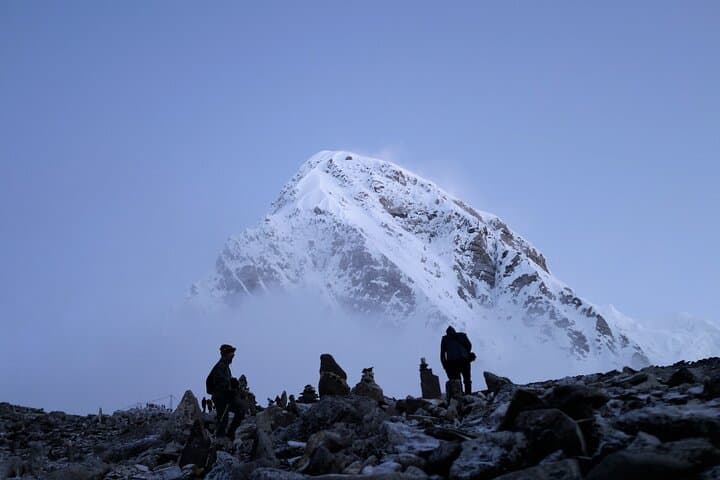
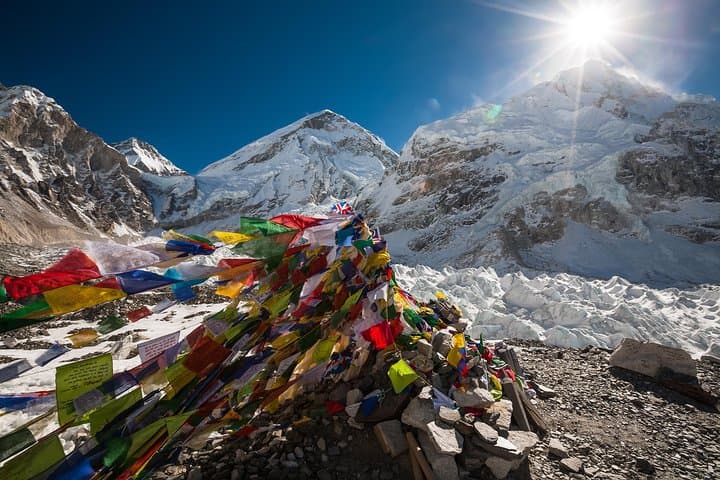
Expect steep gains in elevation between Namche, Tengboche, Dingboche and Lobuche, with Kala Patthar (≈5,450 m) providing the clearest panorama of Everest and the Khumbu Glacier. Lodges and teahouses govern daily life on the trail; potable-water options and simple meals are available but variable in quality and price.
Practical reality: acclimatize (scheduled rest day in Namche), carry permits (Sagarmatha NP, TIMS), and plan for weather-driven Lukla flight changes. Footwear with solid ankle support, layered insulation for extreme diurnal swings, and a slow pace matter more than speed. Guides and local support not only ease logistics but materially reduce risk at altitude. In short: it’s a demanding, highly structured high‑altitude trek that rewards patience, preparation, and respect for the mountains.
difficult.
12–14 days.
Good cardiovascular fitness with endurance hiking experience; comfortable with consecutive days of uphill gain at altitude.
Yes—Sagarmatha National Park permit and a TIMS card are required; these are usually arranged by your operator but confirm before departure.
The Lukla flight is short (~35–40 minutes) but can be bumpy; weather delays are common so schedule buffer days.
Permits are possible for independent trekkers, but hiring a licensed guide and porter is strongly recommended for safety, logistics, and altitude risk management.
Acute Mountain Sickness is a real risk above 3,000 m; following acclimatization schedules, hydrating, and ascending slowly reduces risk but does not eliminate it.
The Khumbu was opened to trekkers in the mid-20th century as mountaineering to Everest grew; Sherpa communities historically served as high-altitude guides and trade intermediaries.
Sagarmatha National Park enforces permits and visitor fees to fund conservation; minimize waste, avoid single-use plastics, and pack out non‑biodegradable items.
Asian Heritage Treks and Travels operates guided outdoor trips and adventures with an emphasis on safety, stewardship, and memorable experiences.
Dawn breaks cold and thin over the Khumbu valley; prayer flags snap as the trail climbs out of a village and the first jagged teeth of the high Himalaya appear like a promise. The 14-day itinerary threads from Kathmandu’s dusty bustle to the short, heart-thumping Lukla flight, then follows the Dudh Kosi through rhododendron and pine, past chortens and Sherpa markets, to Namche Bazaar and higher, where breathing itself becomes part of the route.
Dawn breaks cold and thin over the Khumbu valley; prayer flags snap as the trail climbs out of a village and the first jagged teeth of the high Himalaya appear like a promise. The 14-day itinerary threads from Kathmandu’s dusty bustle to the short, heart-thumping Lukla flight, then follows the Dudh Kosi through rhododendron and pine, past chortens and Sherpa markets, to Namche Bazaar and higher, where breathing itself becomes part of the route.
This route crosses Sagarmatha National Park, a UNESCO-protected landscape carved by ongoing uplift and glaciation: the Khumbu Glacier and moraine fields tell a geological story of young mountains and ancient ice. Sherpa communities and monasteries—Tengboche among them—anchor the cultural side of the trek, offering butter tea, seasonal markets, and sacred mani walls that mark both faith and passage.
Expect steep gains in elevation between Namche, Tengboche, Dingboche and Lobuche, with Kala Patthar (≈5,450 m) providing the clearest panorama of Everest and the Khumbu Glacier. Lodges and teahouses govern daily life on the trail; potable-water options and simple meals are available but variable in quality and price.
Practical reality: acclimatize (scheduled rest day in Namche), carry permits (Sagarmatha NP, TIMS), and plan for weather-driven Lukla flight changes. Footwear with solid ankle support, layered insulation for extreme diurnal swings, and a slow pace matter more than speed. Guides and local support not only ease logistics but materially reduce risk at altitude. In short: it’s a demanding, highly structured high‑altitude trek that rewards patience, preparation, and respect for the mountains.