THE ADVENTURE COLLECTIVE® · Independent discovery and booking for outdoor travel

Ride a short, dramatic flight to Lukla, then follow rivers, rhododendron forests and glacial valleys to Everest Base Camp. This 14–15 day guided trek combines cultural villages, high-altitude challenges and jaw-dropping summit views.
Ride a short, dramatic flight to Lukla, then follow rivers, rhododendron forests and glacial valleys to Everest Base Camp. This 14–15 day guided trek combines cultural villages, high-altitude challenges and jaw-dropping summit views.
You step off the tiny Lukla airstrip into thin, biting air and the trail immediately frames the objective: a ragged skyline of white peaks that draw you up the Dudh Koshi valley.
Verified experiences and guided adventures in the surrounding area.
Operated by Sublime Trails Pvt. Ltd · Lukla, Province No. 1
You step off the tiny Lukla airstrip into thin, biting air and the trail immediately frames the objective: a ragged skyline of white peaks that draw you up the Dudh Koshi valley.
Over the next two weeks you trade river gorges and rhododendron forests for stony ridgelines and wind-scoured high camps. The route threads classic Sherpa villages—Phakding, Namche Bazaar, Tengboche—then climbs through exposed moraine toward Lobuche, Gorak Shep and Everest Base Camp itself, sitting about 5,364 m above sea level. Kala Patthar offers the clearest, personal view of Everest; the base camp is a humbling, close-up field of ice and expedition rope.
Geology here is raw: uplifted sediment and glacial moraine carved by the Khumbu Glacier, with weather that can flip from warm sun to sleet in hours. The culture is equally visible—Buddhist mani stones, prayer flags, tea-house hospitality and a long history of Sherpa mountaineering that supports life at altitude.
Practically, this is high-altitude trekking, not technical climbing. Expect long walking days, irregular lodge accommodation, and a Lukla weather-dependent flight. Permits include Sagarmatha National Park entry and TIMS; a guided group typically provides these plus a porter and first-aid kit.
Plan acclimatization days, stay hydrated, and carry layers for temperatures that plunge near and above 4,000 m. Best windows are pre-monsoon spring and post-monsoon autumn when trails are stable and views are sharp. The trek demands preparation and respect, but rewards with one of the world’s most immediate mountain experiences.
challenging.
14–15 days.
Good cardiovascular fitness with prior multi-day hiking experience; comfortable with 5–7 hour walking days and altitude exposure.
No—this is a high-altitude trek that requires fitness and acclimatization but not technical climbing skills or ropes.
Trekking to EBC requires Sagarmatha National Park entry permit and a TIMS card; guides or operators usually arrange them.
Flights to Lukla are scenic but frequently delayed or canceled due to weather—plan buffer days in Kathmandu before/after the trek.
Altitude sickness is the main risk—monitor symptoms, ascend slowly, hydrate, and use planned acclimatization days; descend immediately if severe symptoms appear.
The Khumbu valley is home to the Sherpa people with a mountaineering tradition established in the early 20th century; Sagarmatha National Park was created in 1976 to protect the region.
High foot traffic stresses fragile alpine soils and water sources; stick to established trails, limit single-use plastics and respect local waste rules to reduce impact.
Sublime Trails Pvt. Ltd operates guided outdoor trips and adventures with an emphasis on safety, stewardship, and memorable experiences.
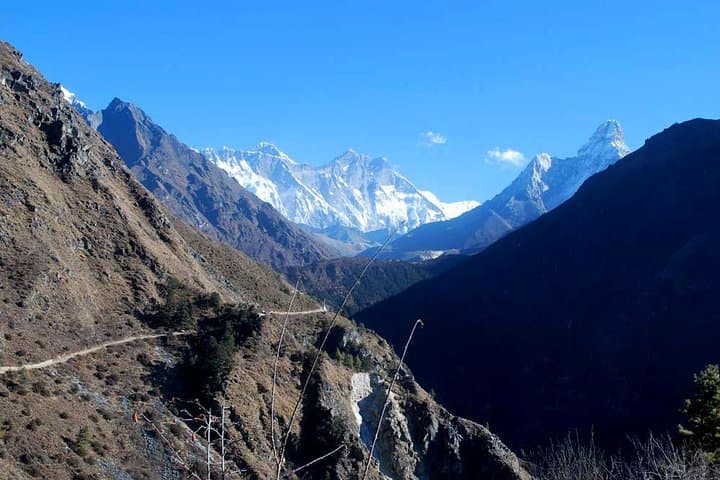

You step off the tiny Lukla airstrip into thin, biting air and the trail immediately frames the objective: a ragged skyline of white peaks that draw you up the Dudh Koshi valley.
You step off the tiny Lukla airstrip into thin, biting air and the trail immediately frames the objective: a ragged skyline of white peaks that draw you up the Dudh Koshi valley.
Over the next two weeks you trade river gorges and rhododendron forests for stony ridgelines and wind-scoured high camps. The route threads classic Sherpa villages—Phakding, Namche Bazaar, Tengboche—then climbs through exposed moraine toward Lobuche, Gorak Shep and Everest Base Camp itself, sitting about 5,364 m above sea level. Kala Patthar offers the clearest, personal view of Everest; the base camp is a humbling, close-up field of ice and expedition rope.
Geology here is raw: uplifted sediment and glacial moraine carved by the Khumbu Glacier, with weather that can flip from warm sun to sleet in hours. The culture is equally visible—Buddhist mani stones, prayer flags, tea-house hospitality and a long history of Sherpa mountaineering that supports life at altitude.
Practically, this is high-altitude trekking, not technical climbing. Expect long walking days, irregular lodge accommodation, and a Lukla weather-dependent flight. Permits include Sagarmatha National Park entry and TIMS; a guided group typically provides these plus a porter and first-aid kit.
Plan acclimatization days, stay hydrated, and carry layers for temperatures that plunge near and above 4,000 m. Best windows are pre-monsoon spring and post-monsoon autumn when trails are stable and views are sharp. The trek demands preparation and respect, but rewards with one of the world’s most immediate mountain experiences.