THE ADVENTURE COLLECTIVE® · Independent discovery and booking for outdoor travel

A 13‑day classic through Sagarmatha National Park, this Everest Base Camp trek pairs high‑altitude challenge with Sherpa culture, glacier views and dawn climbs to Kala Patthar. Expect long days, tea‑house nights and strict acclimatization routines.
A 13‑day classic through Sagarmatha National Park, this Everest Base Camp trek pairs high‑altitude challenge with Sherpa culture, glacier views and dawn climbs to Kala Patthar. Expect long days, tea‑house nights and strict acclimatization routines.
Dawn breaks cold and clear above the Khumbu as you step out of a tea house into a sky that seems close enough to touch. Prayer flags snap in the wind; the trail threads past stone chortens and through rhododendron and pine before opening onto a barren moraine where Everest finally fills the horizon. Each day the mountains push toward you, the glacier creaking like a distant engine as you climb higher.
Verified experiences and guided adventures in the surrounding area.
Operated by Trek Around Himalayas Pvt. Ltd. · Lukla, Province No. 1
Dawn breaks cold and clear above the Khumbu as you step out of a tea house into a sky that seems close enough to touch. Prayer flags snap in the wind; the trail threads past stone chortens and through rhododendron and pine before opening onto a barren moraine where Everest finally fills the horizon. Each day the mountains push toward you, the glacier creaking like a distant engine as you climb higher.
This route runs through Sagarmatha National Park, a UNESCO-protected landscape created in 1976 to protect high‑altitude ecology and Sherpa culture. Geologically the trail follows uplifted marine sediments and the jagged moraine of the Khumbu Glacier that sculpted the valleys you cross. Sherpa villages—Namche, Tengboche, Pangboche—hold monasteries, tea houses and stories of early mountaineers; learn how local trade and pilgrimage shaped life here alongside modern trekking.
Practically, expect long days (4–8 hours on trail) with steep sections, high passes and thin air; acclimatization days are non‑negotiable. Flights to and from Lukla are scenic but weather‑dependent; pack warm layers, a sturdy pair of boots and a sleeping liner for unpredictable tea‑house blankets. Hydrate, monitor for AMS symptoms and move deliberately on ascents. Aim for a pre‑trek fitness base of hill repeats and extended hikes with a loaded pack.
A pre-dawn climb to Kala Patthar rewards you with a vantage of Everest at first light—an earned, electric silence. Respect local customs, carry out waste, and leave early for key viewpoints: the light waits for no one.
challenging.
13 days.
Requires high cardiovascular fitness, regular hill training and multi‑hour hikes with a loaded pack
No; the standard EBC trek is non‑technical. Basic high‑altitude trekking experience and good fitness are required.
Sagarmatha National Park permits and TIMS are required; many operators include them—confirm before booking.
September–November and late March–May offer the most stable weather and best visibility; shoulder seasons are quieter.
Tea houses provide private rooms and hot meals but basic facilities—expect simple bedding, shared bathrooms and power by generator in larger stops.
The Sherpa communities here expanded after Himalayan mountaineering boomed in the 1950s; Sagarmatha National Park protects both cultural sites and fragile alpine ecosystems.
Stick to marked trails, pack out all non‑biodegradable waste and support local tea houses—income from trekkers is central to conservation and community resilience.
Trek Around Himalayas Pvt. Ltd. operates guided outdoor trips and adventures with an emphasis on safety, stewardship, and memorable experiences.
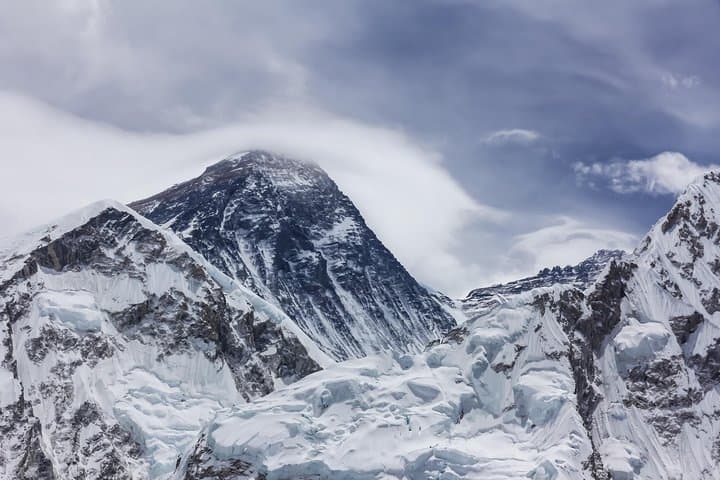
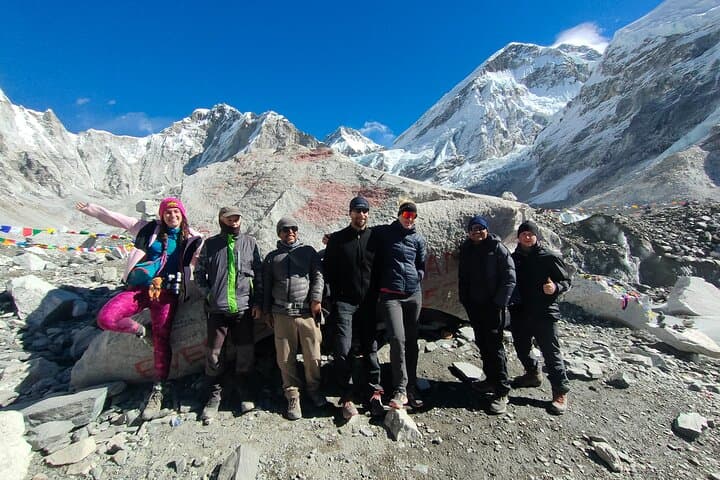


Dawn breaks cold and clear above the Khumbu as you step out of a tea house into a sky that seems close enough to touch. Prayer flags snap in the wind; the trail threads past stone chortens and through rhododendron and pine before opening onto a barren moraine where Everest finally fills the horizon. Each day the mountains push toward you, the glacier creaking like a distant engine as you climb higher.
Dawn breaks cold and clear above the Khumbu as you step out of a tea house into a sky that seems close enough to touch. Prayer flags snap in the wind; the trail threads past stone chortens and through rhododendron and pine before opening onto a barren moraine where Everest finally fills the horizon. Each day the mountains push toward you, the glacier creaking like a distant engine as you climb higher.
This route runs through Sagarmatha National Park, a UNESCO-protected landscape created in 1976 to protect high‑altitude ecology and Sherpa culture. Geologically the trail follows uplifted marine sediments and the jagged moraine of the Khumbu Glacier that sculpted the valleys you cross. Sherpa villages—Namche, Tengboche, Pangboche—hold monasteries, tea houses and stories of early mountaineers; learn how local trade and pilgrimage shaped life here alongside modern trekking.
Practically, expect long days (4–8 hours on trail) with steep sections, high passes and thin air; acclimatization days are non‑negotiable. Flights to and from Lukla are scenic but weather‑dependent; pack warm layers, a sturdy pair of boots and a sleeping liner for unpredictable tea‑house blankets. Hydrate, monitor for AMS symptoms and move deliberately on ascents. Aim for a pre‑trek fitness base of hill repeats and extended hikes with a loaded pack.
A pre-dawn climb to Kala Patthar rewards you with a vantage of Everest at first light—an earned, electric silence. Respect local customs, carry out waste, and leave early for key viewpoints: the light waits for no one.