THE ADVENTURE COLLECTIVE® · Independent discovery and booking for outdoor travel

A 13-day guided trek that moves from Lukla’s dramatic airstrip to the Khumbu’s glacial valleys and the wind-scoured apron of Everest Base Camp. This practical guide covers terrain, acclimatization, and the on-trail realities of a classic high-altitude route.
A 13-day guided trek that moves from Lukla’s dramatic airstrip to the Khumbu’s glacial valleys and the wind-scoured apron of Everest Base Camp. This practical guide covers terrain, acclimatization, and the on-trail realities of a classic high-altitude route.
On the trail to Everest Base Camp the mountains arrive before you do: ridgelines shear the sky and the Dudh Kosi River keeps daring you across a procession of suspension bridges. Daylight slices through pine and rhododendron; prayer flags snap like small, persistent trumpets. The path moves from cultivated terraces and Sherpa villages into the raw geometry of glacial moraine and icefall.
Verified experiences and guided adventures in the surrounding area.
Operated by Shishu Tours & Travel · Namche Bazaar, Province No. 1
On the trail to Everest Base Camp the mountains arrive before you do: ridgelines shear the sky and the Dudh Kosi River keeps daring you across a procession of suspension bridges. Daylight slices through pine and rhododendron; prayer flags snap like small, persistent trumpets. The path moves from cultivated terraces and Sherpa villages into the raw geometry of glacial moraine and icefall.
This route threads through Sagarmatha National Park (est. 1976; UNESCO protected), a landscape carved by the Khumbu Glacier and uplifted by the collision of the Indian and Eurasian plates. Gompas and mani walls mark Sherpa cultural hubs—places where centuries-old Buddhist practice meets modern expedition logistics. Flora shifts from temperate woods to alpine scrub; wildlife sightings commonly include Himalayan tahr and the colorful Danphe (Himalayan monal).
Expect high-altitude trekking rather than technical mountaineering: the itinerary stages acclimatization days (Namche, Dingboche) and summit-style viewpoints like Kala Patthar for sunrise panoramas. Lodges provide basic twin rooms, hot meals, and a social hub for swapping route conditions. Flights into/out of Lukla have strict baggage limits (typically 10 kg checked).
Practical guidance: pace the ascent—follow “climb high, sleep low” on acclimatization days, hydrate deliberately, and carry both sun protection and warm insulating layers; temperatures swing dramatically after sunset. Footwear should be a solid, broken-in hiking boot with ankle support. Weather windows are narrow in monsoon and winter; fall and spring offer the clearest views. With preparation and patience this 13-day circuit delivers some of the most immediate, elemental Himalayan terrain you can walk into.
challenging.
13 days.
Good aerobic base and prior multi-day hiking experience recommended; ability to walk 5–7 hours on uneven terrain at altitude.
Late September–November and March–May offer the clearest weather windows and most reliable trail conditions for panoramic views.
No—this itinerary is a non-technical high-altitude trek; crampons or ropes are not required for standard seasons, though winter may need extra gear.
Ascend slowly, take planned acclimatization days, hydrate, avoid alcohol, and consider prophylactic acetazolamide after consulting a physician.
Domestic flights to Lukla typically limit checked baggage to around 10 kg and a small carry-on; excess weight should be carried by porters or left in Kathmandu.
The Solu-Khumbu is Sherpa country; trails grew from trade and pilgrimage routes and the area became Sagarmatha National Park in 1976 to protect its unique high-altitude ecology.
Trekking infrastructure concentrates waste and water use—support local initiatives that fund waste removal and use refillable water with purification to reduce plastic.
Shishu Tours & Travel operates guided outdoor trips and adventures with an emphasis on safety, stewardship, and memorable experiences.
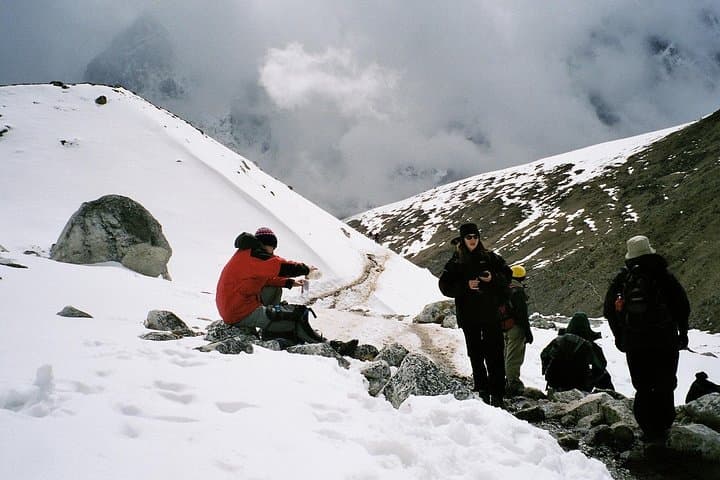
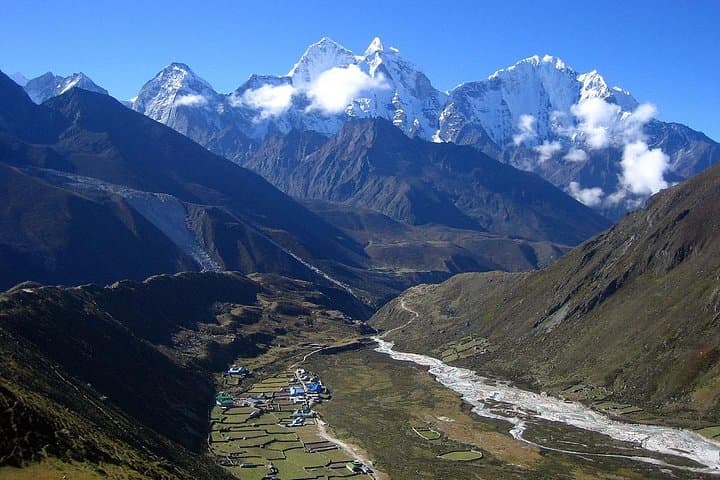
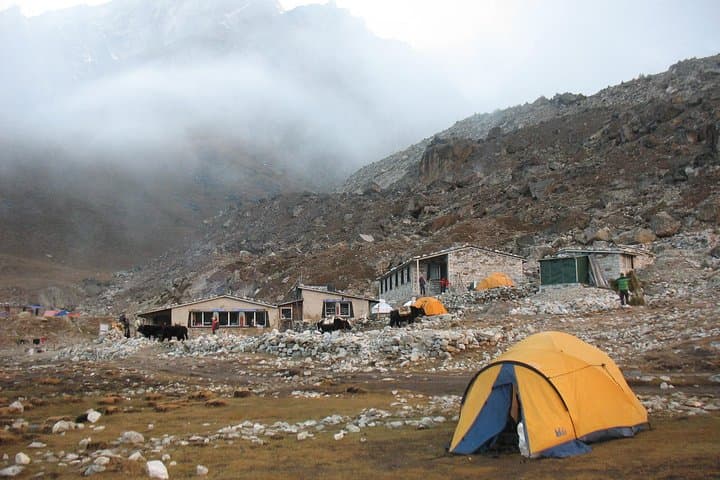
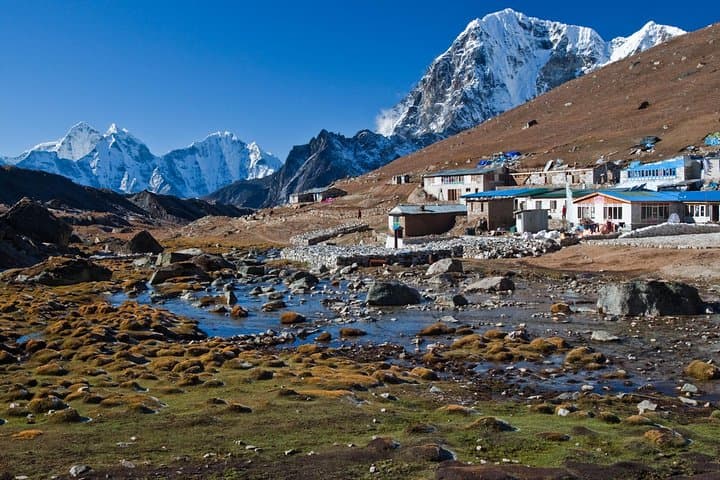
On the trail to Everest Base Camp the mountains arrive before you do: ridgelines shear the sky and the Dudh Kosi River keeps daring you across a procession of suspension bridges. Daylight slices through pine and rhododendron; prayer flags snap like small, persistent trumpets. The path moves from cultivated terraces and Sherpa villages into the raw geometry of glacial moraine and icefall.
On the trail to Everest Base Camp the mountains arrive before you do: ridgelines shear the sky and the Dudh Kosi River keeps daring you across a procession of suspension bridges. Daylight slices through pine and rhododendron; prayer flags snap like small, persistent trumpets. The path moves from cultivated terraces and Sherpa villages into the raw geometry of glacial moraine and icefall.
This route threads through Sagarmatha National Park (est. 1976; UNESCO protected), a landscape carved by the Khumbu Glacier and uplifted by the collision of the Indian and Eurasian plates. Gompas and mani walls mark Sherpa cultural hubs—places where centuries-old Buddhist practice meets modern expedition logistics. Flora shifts from temperate woods to alpine scrub; wildlife sightings commonly include Himalayan tahr and the colorful Danphe (Himalayan monal).
Expect high-altitude trekking rather than technical mountaineering: the itinerary stages acclimatization days (Namche, Dingboche) and summit-style viewpoints like Kala Patthar for sunrise panoramas. Lodges provide basic twin rooms, hot meals, and a social hub for swapping route conditions. Flights into/out of Lukla have strict baggage limits (typically 10 kg checked).
Practical guidance: pace the ascent—follow “climb high, sleep low” on acclimatization days, hydrate deliberately, and carry both sun protection and warm insulating layers; temperatures swing dramatically after sunset. Footwear should be a solid, broken-in hiking boot with ankle support. Weather windows are narrow in monsoon and winter; fall and spring offer the clearest views. With preparation and patience this 13-day circuit delivers some of the most immediate, elemental Himalayan terrain you can walk into.