THE ADVENTURE COLLECTIVE® · Independent discovery and booking for outdoor travel

Fly into Lukla, follow suspension bridges and rhododendron forests, and climb moraines to stand at Everest Base Camp and Kala Patthar. This 13-day classic trek balances cultural stops, acclimatization days and high alpine terrain for a demanding but achievable Himalayan experience.
Fly into Lukla, follow suspension bridges and rhododendron forests, and climb moraines to stand at Everest Base Camp and Kala Patthar. This 13-day classic trek balances cultural stops, acclimatization days and high alpine terrain for a demanding but achievable Himalayan experience.
You step off the tiny plane at Lukla and the air thins immediately—prayer flags snap, mountains close in, and the trail drops to follow the Dudhkoshi River. The first days are a rhythm of suspension bridges, tea-house stairways and rhododendron-scented forest; later you climb into high, wind-whipped moraine where every ridge opens a new view of Everest, Lhotse and Nuptse.
Verified experiences and guided adventures in the surrounding area.
Operated by Nepal Adventure Team · Lukla, Koshi Province
You step off the tiny plane at Lukla and the air thins immediately—prayer flags snap, mountains close in, and the trail drops to follow the Dudhkoshi River. The first days are a rhythm of suspension bridges, tea-house stairways and rhododendron-scented forest; later you climb into high, wind-whipped moraine where every ridge opens a new view of Everest, Lhotse and Nuptse.
This route threads Sagarmatha National Park, created in 1976 and a UNESCO site since 1979. Geology here is sharp and young: uplifted metamorphic rock and glacial deposits sculpt steep valleys and the flat, gravelly plain of Gorakshep below Everest Base Camp. Culturally the Khumbu is Sherpa country—Tengboche Monastery anchors spiritual life and you’ll pass villages where teahouses and mani walls mark centuries of Himalayan trade and pilgrimage.
Expect steady ascents and descents over 13 days, with maximum sleeping elevations around 5,170–5,545 m (Gorakshep and Kala Patthar). Terrain shifts from forested trails and stone staircases to alpine tundra and rocky moraine; several long days (4–7 hours typical) require good balance and endurance. Weather is unpredictable—clear winter mornings can flip to strong, cold winds by noon. Acclimatization days are built into the itinerary for safety; pay attention to symptoms of altitude sickness and follow your guide’s pacing.
Practical: travel light, use layered insulation, carry a water-treatment method, and plan buffer days for Lukla flights. With proper preparation this trek is one of the most direct, visceral ways to stand at the foot of the world’s highest peaks.
challenging.
13 days.
Good aerobic fitness and prior multi-day hiking experience help; ability to walk 4–7 hours on uneven, high-altitude trails is required.
Yes—trekkers require a TIMS card and Sagarmatha National Park permit; these are typically arranged through your trekking agency.
This itinerary is 13 days with the highest walking point Kala Patthar at about 5,545 m; sleeping elevations reach about 5,170 m at Gorakshep.
Very likely during poor weather—Lukla flights are weather-dependent, so include buffer days in Kathmandu for rescheduling.
Acute Mountain Sickness is a real risk above ~3,000 m; symptoms include headache, nausea and fatigue—acclimatization days, slow ascent and descent if needed are essential.
The Khumbu Valley is Sherpa homeland and the route passes sites tied to mountaineering history after Edmund Hillary and Tenzing Norgay’s 1953 ascent of Everest.
Sagarmatha National Park manages trekking impact through permit fees and regulations—stick to trails, pack out waste where possible, and use local lodges to support the community.
Nepal Adventure Team operates guided outdoor trips and adventures with an emphasis on safety, stewardship, and memorable experiences.
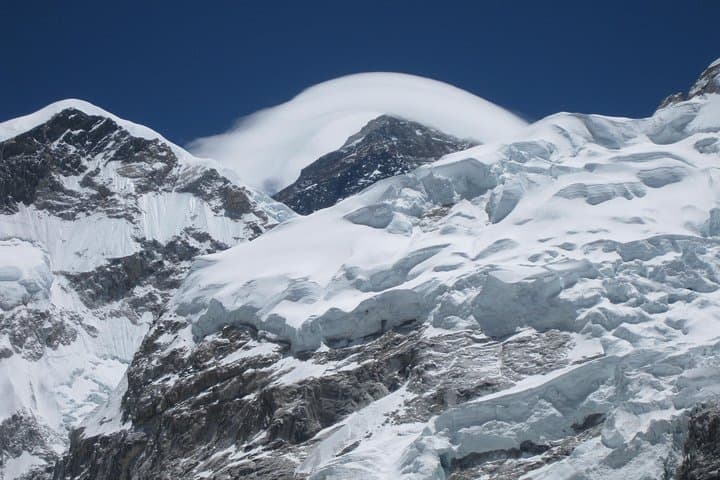
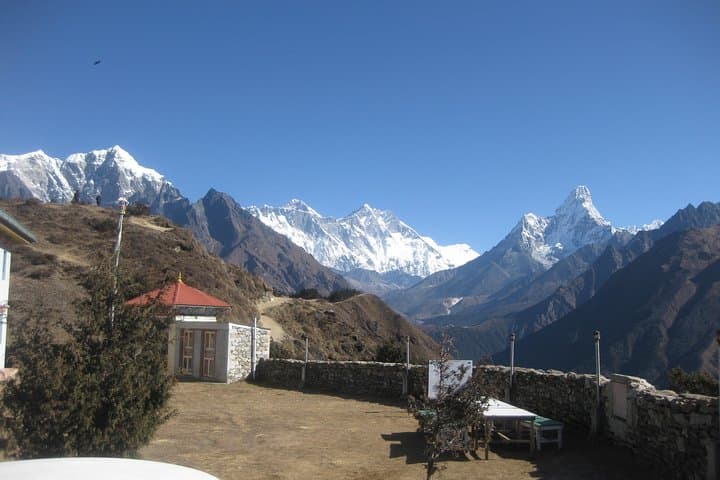
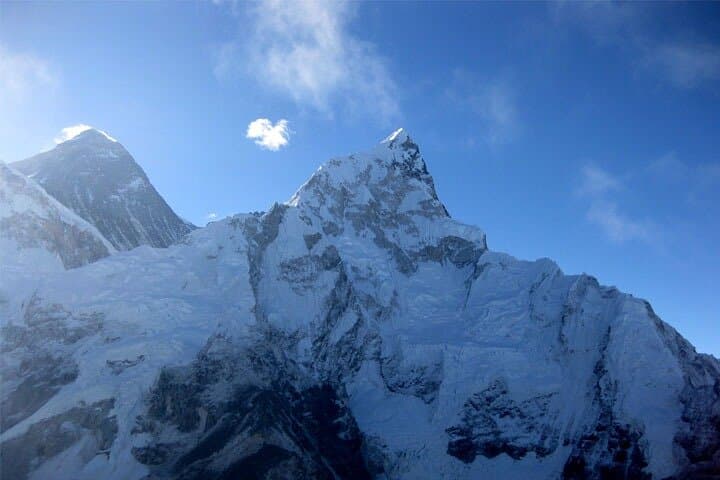
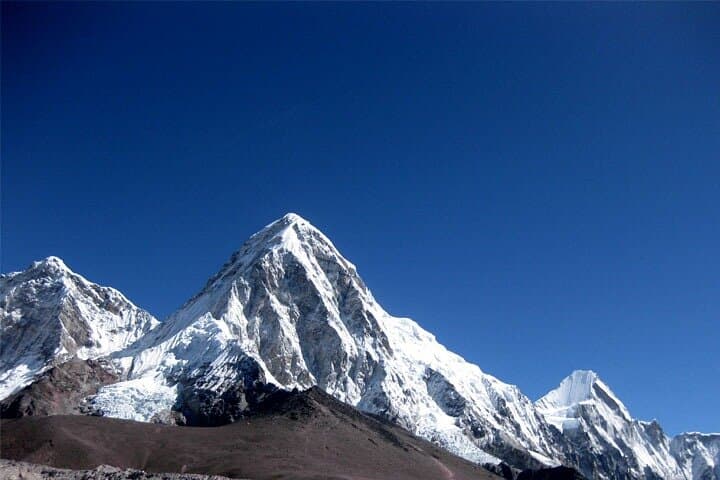
You step off the tiny plane at Lukla and the air thins immediately—prayer flags snap, mountains close in, and the trail drops to follow the Dudhkoshi River. The first days are a rhythm of suspension bridges, tea-house stairways and rhododendron-scented forest; later you climb into high, wind-whipped moraine where every ridge opens a new view of Everest, Lhotse and Nuptse.
You step off the tiny plane at Lukla and the air thins immediately—prayer flags snap, mountains close in, and the trail drops to follow the Dudhkoshi River. The first days are a rhythm of suspension bridges, tea-house stairways and rhododendron-scented forest; later you climb into high, wind-whipped moraine where every ridge opens a new view of Everest, Lhotse and Nuptse.
This route threads Sagarmatha National Park, created in 1976 and a UNESCO site since 1979. Geology here is sharp and young: uplifted metamorphic rock and glacial deposits sculpt steep valleys and the flat, gravelly plain of Gorakshep below Everest Base Camp. Culturally the Khumbu is Sherpa country—Tengboche Monastery anchors spiritual life and you’ll pass villages where teahouses and mani walls mark centuries of Himalayan trade and pilgrimage.
Expect steady ascents and descents over 13 days, with maximum sleeping elevations around 5,170–5,545 m (Gorakshep and Kala Patthar). Terrain shifts from forested trails and stone staircases to alpine tundra and rocky moraine; several long days (4–7 hours typical) require good balance and endurance. Weather is unpredictable—clear winter mornings can flip to strong, cold winds by noon. Acclimatization days are built into the itinerary for safety; pay attention to symptoms of altitude sickness and follow your guide’s pacing.
Practical: travel light, use layered insulation, carry a water-treatment method, and plan buffer days for Lukla flights. With proper preparation this trek is one of the most direct, visceral ways to stand at the foot of the world’s highest peaks.